
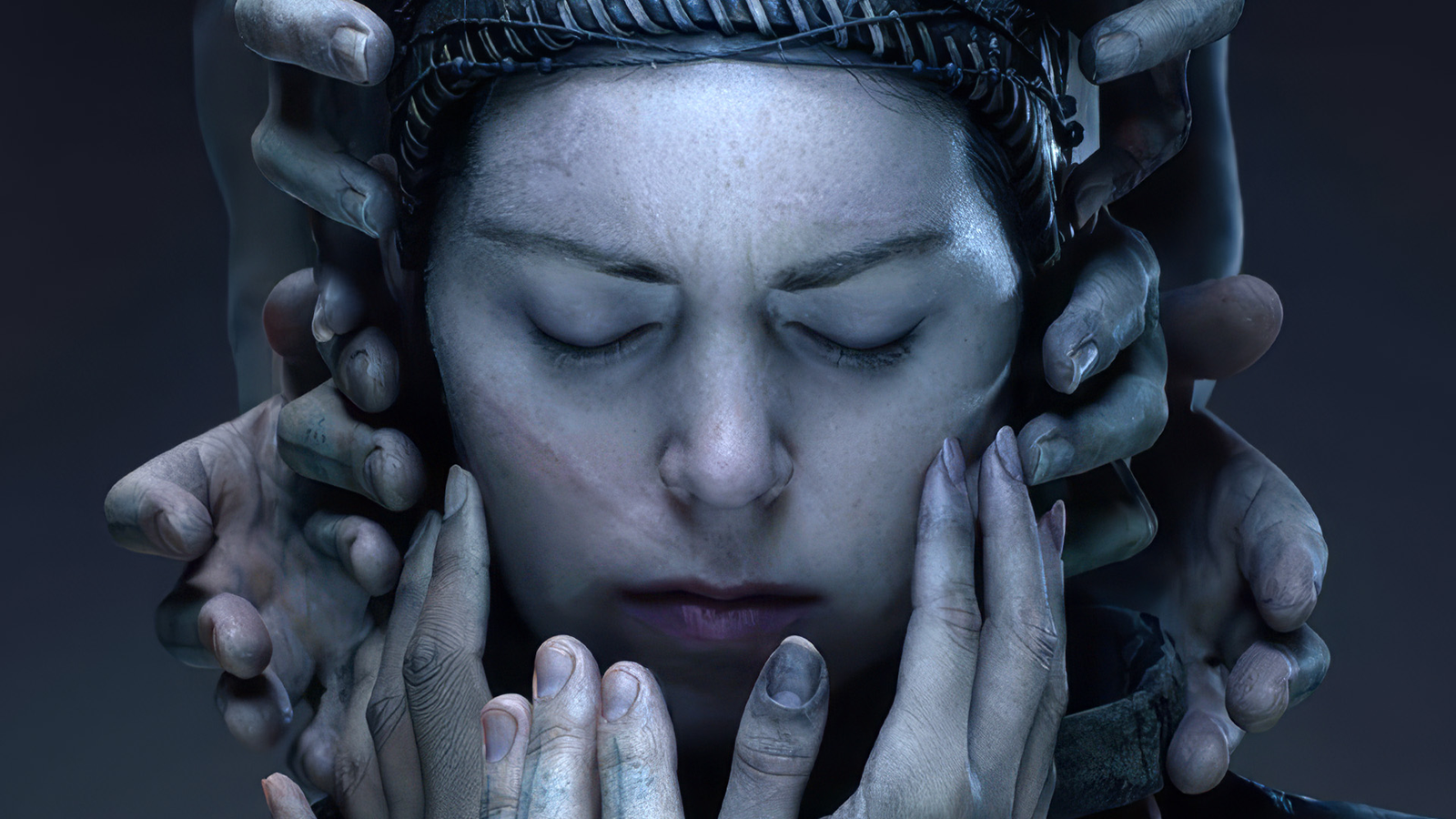
Senua’s Saga: Hellblade 2 is out on PlayStation 5 today, August 12. After almost a year spent as an Xbox exclusive, the game lands on the Japanese console’s crowd with several enhancements (seriously, “Enhanced” is actually in the name of the game) and the overall core mechanics that made it so popular on Microsoft’s platform.
However, being a year away might make you feel like you’ve lost your edge in it, but fear not, PRG’s here to help: check out below to grab some quick, general tips that will have you slicing and dicing in combat in no time.
Senua’s Saga: Hellblade 2 Tips
Focus
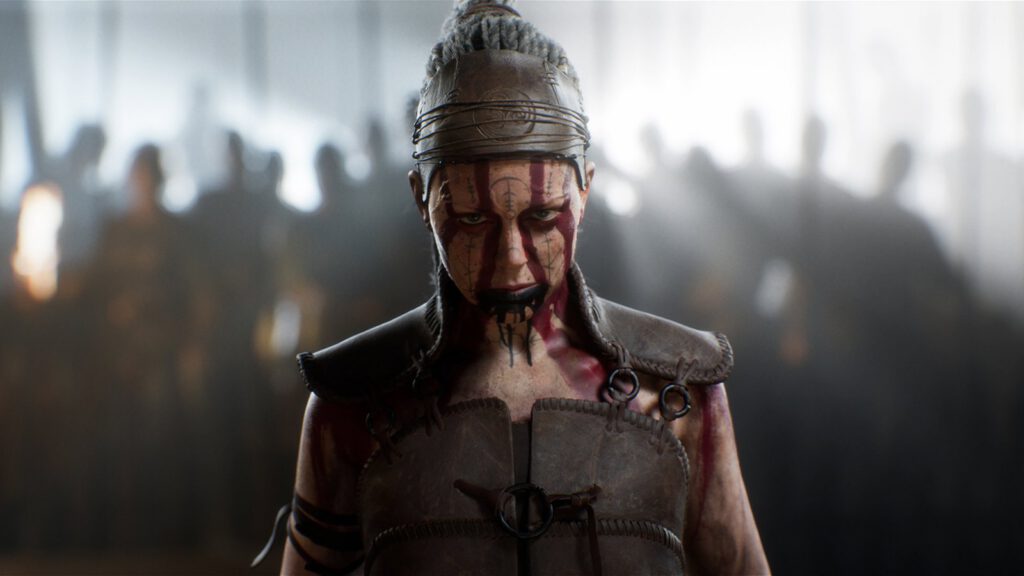
With many games taking advantage of this feature, it seems cheesy to point it out now, but Hellblade 2 has a Focus system that allows you to do many contextual things, like finding hints for puzzle-solving and, eventually, add another fun skill to your combat arsenal (more on that one below).
Well, use it. This game has a lot of parts where Focus will be required, and it’s right there, as a near-infinite resource, so make the most out of it.
The Voices in Your Head are Real

The protagonist, the titular Senua, is… Well, not quite right on the noggin’. She hears voices all the time—much like in the previous game, this is actually a big thing in the game’s overarching plot and implied message of psychological traumas but we digress.
The thing is, these voices sound like random gibberish most of the time, but there are some instances where they mention very specific things that can mean a quite literal hint: there are moments where you might hear a faint “Focus, Senua” and, well, do that. Others are not so in the nose, but not really too subjective either, like “Find a different perspective”, usually suggesting puzzle hints.
You might hear these often when there are hidden collectibles nearby, but the point is to make sure to pay attention to what these voices are saying.
Parry or Dodge, just don’t get hit (also, Heavy Combos)
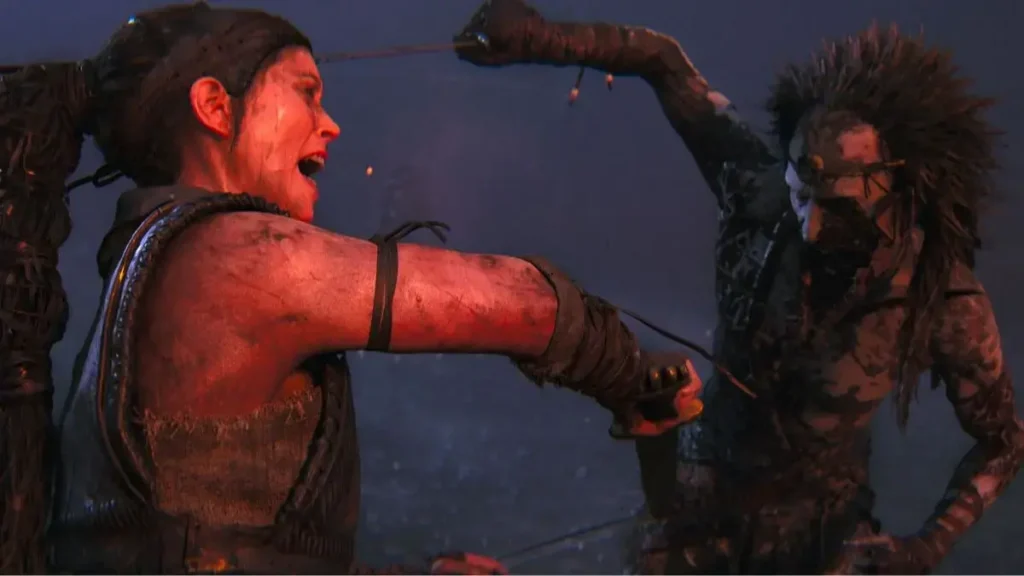
Hellblade 2’s combat is not that difficult to grasp, but it can be demanding. When playing defense, you really only have two options: “parry”, which will create an opening for a counter; or “dodge”, which, as the name implies, makes you get the hell away from an enemy.
Most of the time, you can tell which one’s better for the situation at hand: basically, if the enemy attack flashes red, get away from it stat—parrying this move will lead to a knockdown and further (and often heavy) damage to Senua.
Nobody wants to damage Senua.
Oh, and from Chapter 2 onwards, you’ll get your hands on a nifty little item that will allow you to accumulate Focus for combat purposes. It builds up then you successfully parry or dodge, and it will allow you to strike the enemy a lot faster after it’s full: it’s a good idea to save the heavy attacks for these moments, as they have an otherwise long windup and enemies can take advantage of that.
Look for the bright white stuff
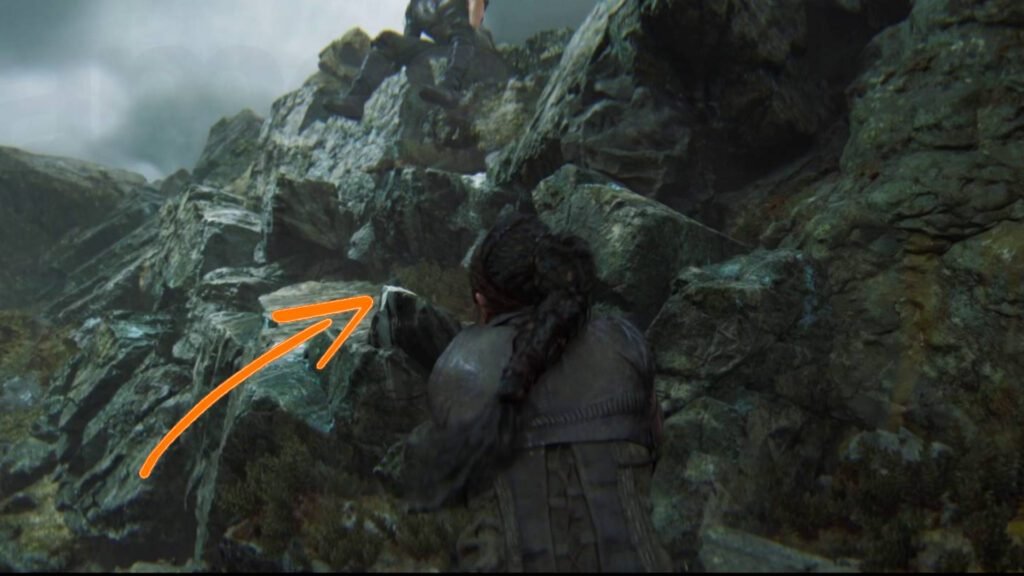
This was a hot topic on game design in the last couple of years, but Hellblade 2 also has visual cues to guide you through its progression: rocks you can climb and other pieces of scenery you can interact with will often be marked in white.
Ninja Theory studio devs were careful enough as to not make them too obvious, so you’ll still have to look for them somewhat, but they’re not impossible to find either. At any rate, if you feel stuck, take a look around and keep an eye out for those.
Have a Care for Accessibility
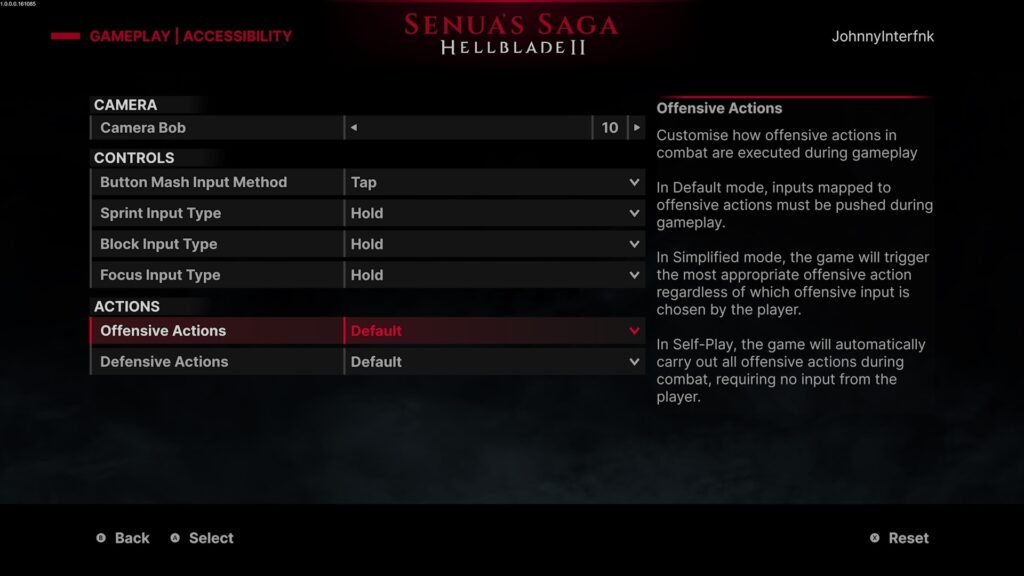
Being a game founded on being inclusive, Senua’s Saga: Hellblade 2 is LOUSY with open accessibility options. Some pertain to color grading, sound adaptations and whatnot, while others are more connected to the gameplay.
Combat, for instance, has options for Default progression (you manually control attack and defense), Simplified Mode (you press the same buttons, but the game’s AI decides which course of action is better: parrying or dodging will be done contextually with the same button, for instance), or Self-Play, where the game will progress automatically through all action sequences, leaving you to enjoy just the story.
You can find all of these options in the main menu (Settings -> Gameplay -> Accessibility -> Offensive Actions and Settings -> Gameplay -> Accessibility -> Defensive Actions)
Don’t Shy Away from Exploring…
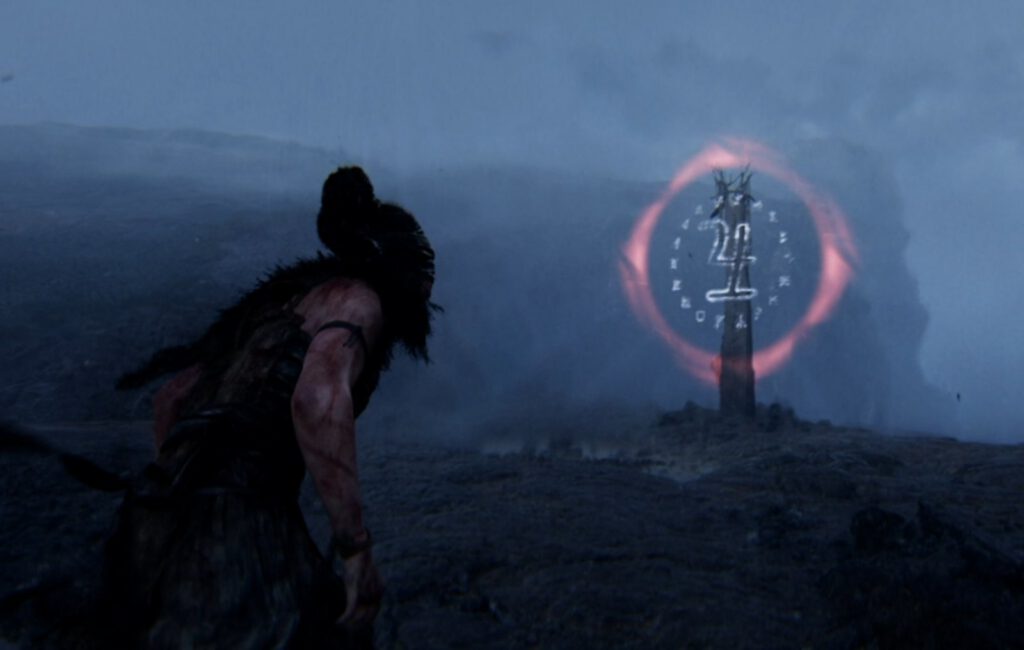
Forking paths are a thing in Hellblade 2, although dead ends are very few and far between. More often than not, most pathways lead to the same place in the game, but they all have their quirks and, most of all, collectibles.
You’ll mostly be on the lookout for two of them: Lorestangir and Hidden Faces. They’re not always obvious and, even worse, if you only stick to main paths, you’ll miss most of them, which is a bad thing as you’ll miss a lot of lore and storytelling, which, to be honest, is what Senua’s Saga is all about. They don’t have any practical effect like power ups or new skills, but they’re still fun to look for.
…But DO NOT GO TOWARDS THE (red) LIGHT
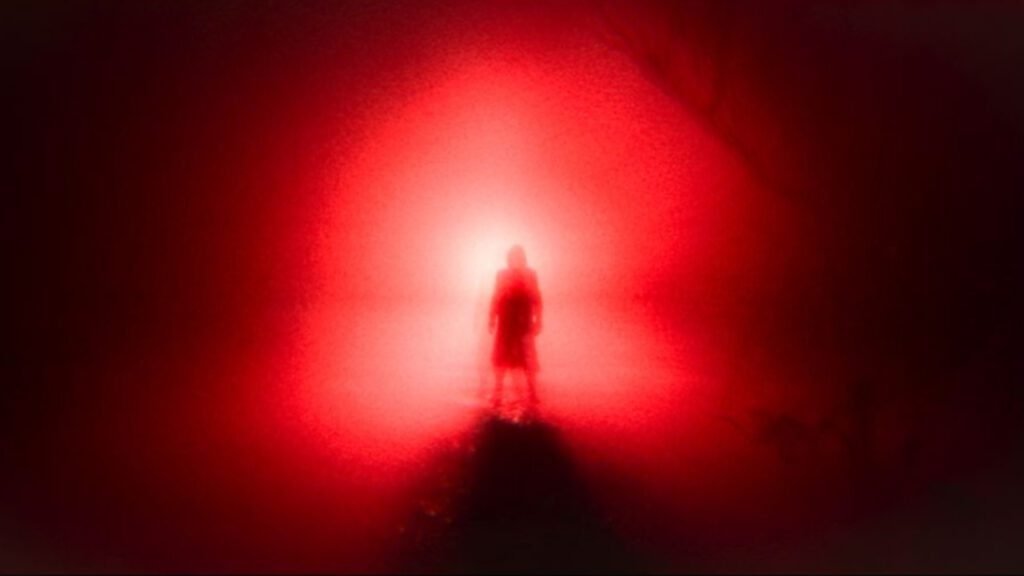
On the opposite end of the previous entry, whatever you do, avoid the red light. You’ll be able to see it whenever it shows up and it does not chase you or anything. Much like everything in Hellblade 2, this feature is locked in the game’s plot, but choosing to go after it will force you to go through that section again—kinda like a game-over-restart-from-checkpoint type of thing.
Essentially—and we’ll try to explain without spoiling anything, so we’ll play really loose here—the red light represents Senua’s tolerance to certain emotions, evoked by the implied presence of a certain someone from her past. The closer you get to the light and said person, the less resistant Senua will be and, eventually, she’ll be overcome by her emotions and unstable mental state.
So, you know…don’t do that: like we said, the red light is easy to see, usually presenting itself at the end of a path, unmoving. If you see it, turn back and find another way.
Senhua’s Saga: Hellblade 2 is now available on PlayStation 5: you purchase the game through the PlayStation Store.