Video games are meant to be played the way they come out of the box, or download, in today’s standards, which is totally fine, of course. But sometimes, publishers and studios will push out a game that just begs to be modded into a finer, sleeker version of itself. From Arknights: Endfield to Terraria and everything in between, when it comes to game mods, there is something for anyone.
Throughout the industry’s entire existence, history has proven time and time again how modding will not only make a game better here or there, but will also shape it into the true potential the community always wanted it to be.
Our team is a fan of modded games, of course, so we came up with a list to show you our top 10 picks for games that are ten times better with modding. There is no particular order here, as these are all excellent options. Read on to find out what we think, and tell us which one you like the most in the comments!
Doom 3
It is not the original, very first modded game, but a lot of people consider Doom 3 the primary standard for game modding. This was back in a time where, in order to alter a game, a lot of technical skill was required, from tinkering with the game’s code to knowing your way around programming and software editing. This was undoubtedly the work of a very eager, very small crowd.
Thankfully, what we got from this was the now legendary “The Dark Mod,” an open-source, total conversion modification designed specifically to reimagine the core mechanics of the classic Thief series within the Doom 3 engine.
This, of course, is just one of many options developed by the community, driven by a vision that stems from the brand’s creators. John Carmack and John Romero, the best pair of Johns the industry has ever produced, designed the game to welcome community input by separating the game’s engine from its audio, visual, and other files, ensuring that everyone would be able to tailor the Doom experience to their own tastes.
This philosophy endured long after Romero left id Software, the company behind the game, as Doom 3‘s Dark Mod came out in 2004 (Romero left in 1996) and has matured into a massive standalone experience, featuring over 80 fan-made missions and campaigns that focus on light, sound, and tactical movement rather than the traditional run-and-gun action. It represents a rare case where a mod is praised for being as good as, if not better than, its original source material.
Fallout New Vegas
We’re going to play coy here, because although the heading mentions Fallout: New Vegas specifically, the entire Fallout franchise is one of the most welcoming for the community of modders.
In New Vegas‘s case, projects like “Viva New Vegas” provide a comprehensive roadmap for achieving a perfectly stable and modern performance that the vanilla engine often lacks. The original, vanilla game was very prone to bugs, which the mod fixed and improved upon. But it did so much more than that: Viva New Vegas was one of the first modding experiences designed for wider audiences, regardless of their modding experience, and it was divided into two pillars, Base and VNV Extended. The former contains all the stability enhancements and performance fixes, while the latter is a modular platform that essentially allows you to plug and play game-altering modifications to tailor the experience.
Meanwhile, Fallout 4 has been revitalized by massive content additions such as “Sim Settlements,” which adds strategic depth to the building mechanics, and the “Frost” overhaul, which strips away the narrative to create a hardcore, grounded survival simulator where every resource is a matter of life and death.
Truth be told, this won’t be the last time you’ll see Bethesda Game Studios on this list.
Baldur’s Gate 3
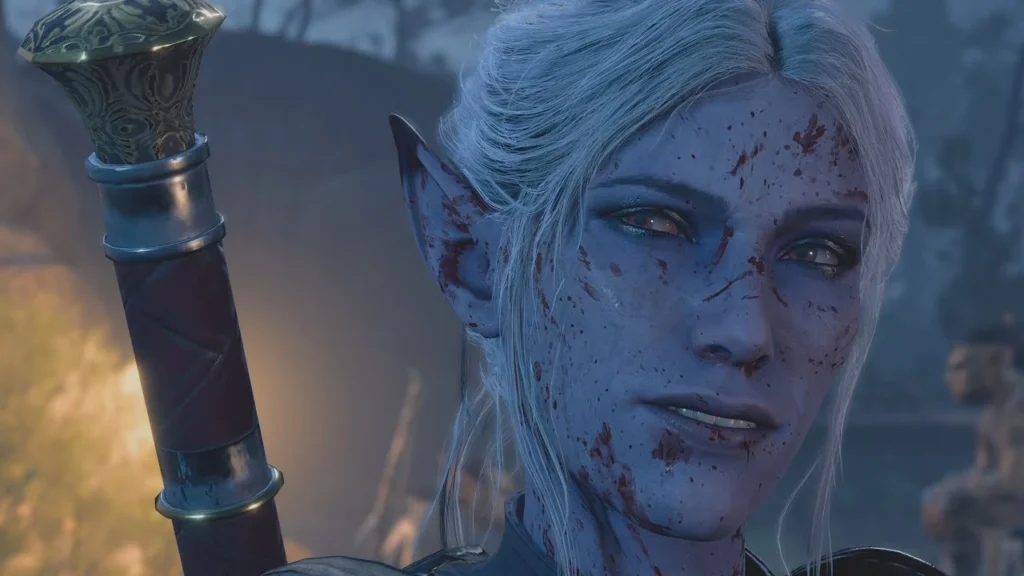
Critically acclaimed titles such as 2023’s Game of the Year winner, Baldur’s Gate 3, are not usually in need of modifications. Granted, modders will mod regardless, so it was to be expected anyway, but the base game already enjoyed a near-perfect perception from most players.
Still, Larian Studios has embraced this culture to extend the game’s massive replayability, allowing the community to develop an enormous amount of customization options, both for quality of life and beyond. Notable examples include “Customizer’s Compendium,” which adds a wealth of new options for character creation, and “Lethal AI,” which cranks up the game’s difficulty many times over.
The official support is so substantial, in fact, that Larian Studios themselves have integrated mod management tools directly into the game’s infrastructure to streamline the installation of user-generated content.
RimWorld
RimWorld is widely considered one of the premier colony management simulations, but its community has pushed the game toward a near-limitless state. Players utilize exhaustive lists of quality-of-life mods, such as “Automatic Stump Chopping” or “Treat Dying First,” to automate menial tasks and allow the player to focus on high-level strategy.
Beyond efficiency, performance-focused modifications like “RocketMan” are essential for maintaining smooth gameplay during complex late-game scenarios where the standard engine might otherwise struggle.
Daikatana

This one is historic. Ion Storm’s, and John Romero’s, Daikatana was one major case study of overpromising and underdelivering in the gaming industry. In the lead-up to its release, the game had a major marketing push tied to Romero’s image, billing it as the one game that would out-Doom Doom. Then the release date came, and what we got was a bug-ridden mess that fell short in virtually every aspect.
Normally, this would be a forgive-and-forget type of situation. Everybody loves Romero, everybody hates Daikatana, let’s move on. However, years went by and the modding community is nothing if not eager, so they took the game and tinkered with it not just to fix it, but to actually remake it into what it was supposed to be.
Following the closure of the original development studio, the community was granted access to the source code to lead the version 1.3 patch. This fan-led effort did more than just fix bugs; it ported the game to modern operating systems including Linux and macOS, ensuring that the title remained playable and stable for a new generation of curious players.
Today, Daikatana still hasn’t outdone Romero’s most famous creation, but it became a very enjoyable gaming experience thanks to its massive communal overhaul. It is available on Steam for literal cents, so it is a good option to pick up as well.
Warcraft III
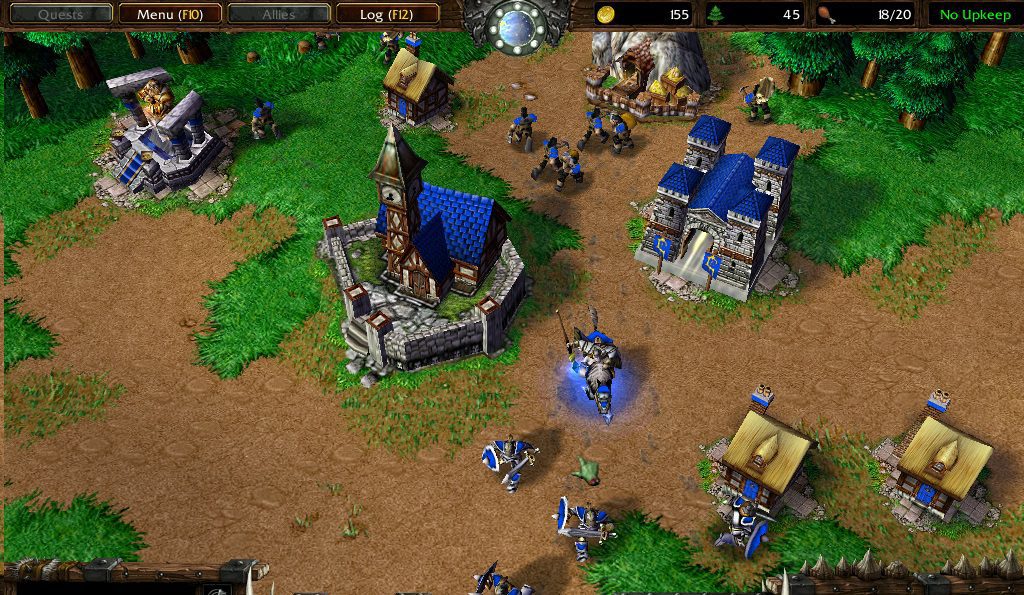
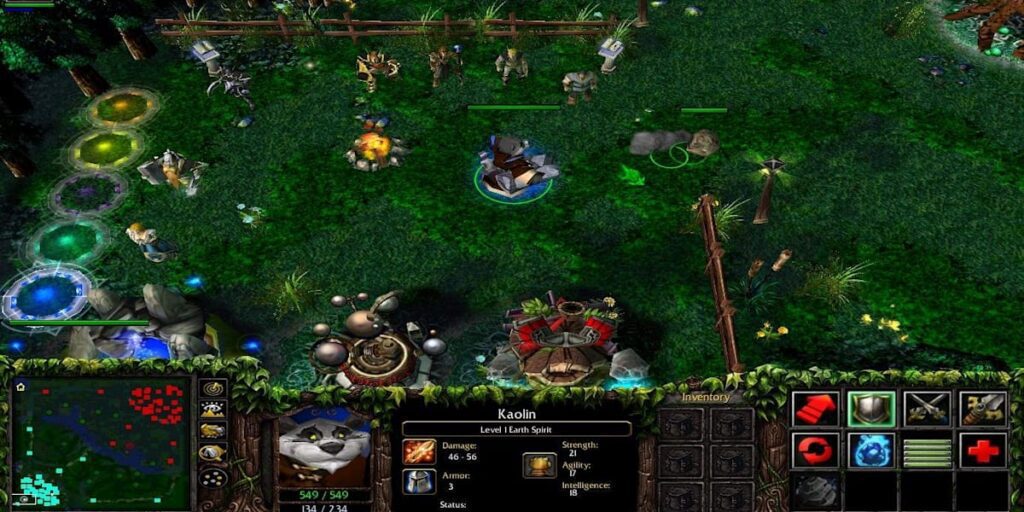
The MOBA genre owes its existence to Blizzard’s Warcraft III. Seems farfetched? We’d imagine so, and yet it is true. Warcraft III‘s most prominent mod was Defense of the Ancients, otherwise known as DotA, the team-based tactical game that focused on hero units rather than army management.
Of course, you know where we’re going with this. Nowadays, we have Marvel Rivals, Deadlock, and the ironically Blizzard-made Overwatch leading a whole generation of chronically online players.
This single mod was so influential that it eventually birthed standalone multi-billion dollar franchises and changed the trajectory of the entire esports industry. It remains the ultimate example of how a mod-friendly toolkit can empower players to invent entirely new ways to play.
ArmA 2

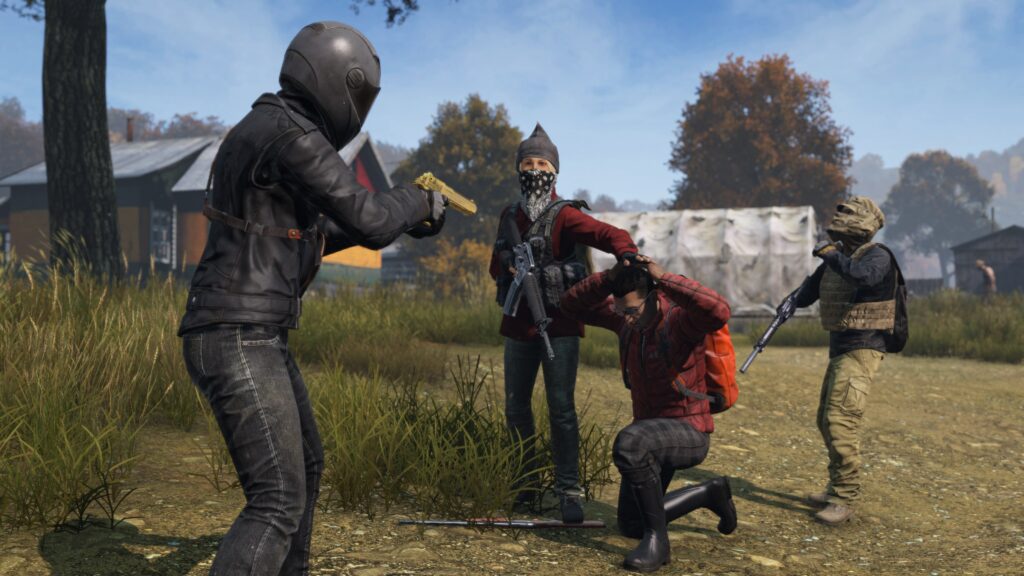
Another case of a mod becoming bigger than its own originator, ArmA 2 was originally a niche military simulator known for its rigid realism, but it became a global sensation thanks to the “DayZ” mod.
Yes, that DayZ.
By introducing a brutal zombie survival layer to the game’s vast open world, modders shifted the focus from military objectives to isolation and human psychology. The mod’s success was so profound that it drove massive sales for the then three-year-old base game and eventually launched as its own successful standalone title, effectively defining the modern survival genre in the process.
The Elder Scrolls IV: Oblivion Remastered
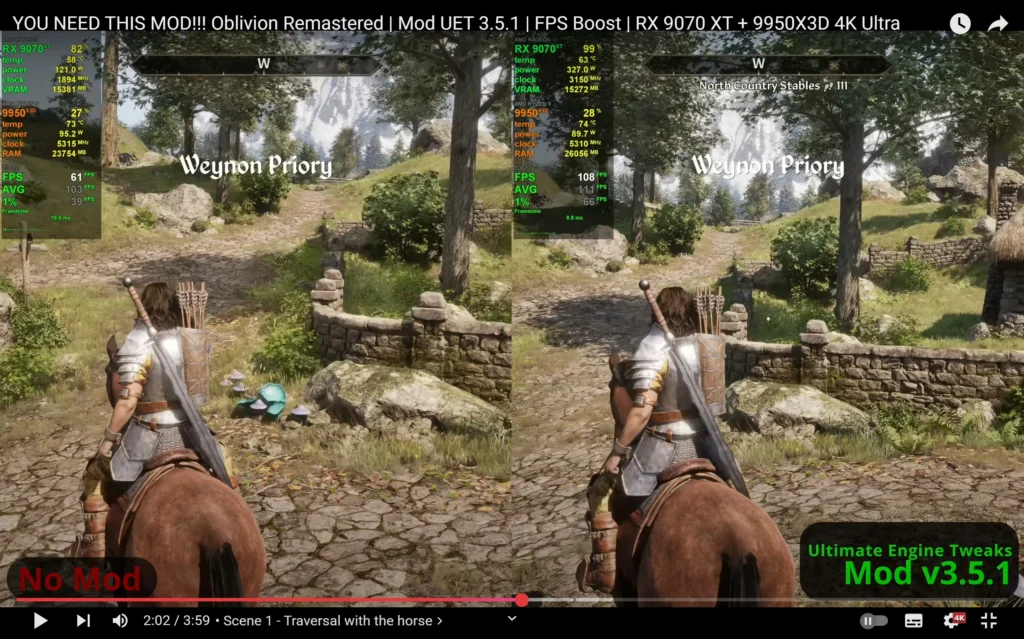
We told you Bethesda would be back. 2025’s The Elder Scrolls IV: Oblivion Remastered made waves as a much-celebrated remake of a beloved classic, and it was met with thunderous success.
However, unlike other Bethesda productions, this one launched with no baseline mod support, so the community created the ecosystem itself. Fans with a knack for digital tinkering came up with a functional script extender that allowed players to change the vanilla experience however they saw fit.
That alone is truly impressive, but what is even more remarkable is that all of this came together mere hours after the game launched. Now we have things like “Ultimate Engine Tweaks,” which removes a large majority of bugs and improves performance, and “Ultimate Dialogue Overhaul,” which adds hundreds of spoken lines that were cut during the game’s development.
Cyberpunk 2077
CD Projekt Red’s Cyberpunk 2077 had a very rough launch but managed to pull a major comeback, becoming one of the best games of its generation. But before the Polish studio got around to fixing its major problems, the modding community was already hard at work trying to turn it into what it was meant to be.
The “Dark Future” mod implemented real-life elements like hunger, sleep, and other conditions to make the experience deeper and more immersive, while other notable additions include a fully functional metro system that allows for a pedestrian-focused commute and the “They Will Remember” system, which tracks your actions and causes rival gangs to hunt you down based on your previous kills.
The Elder Scrolls V: Skyrim
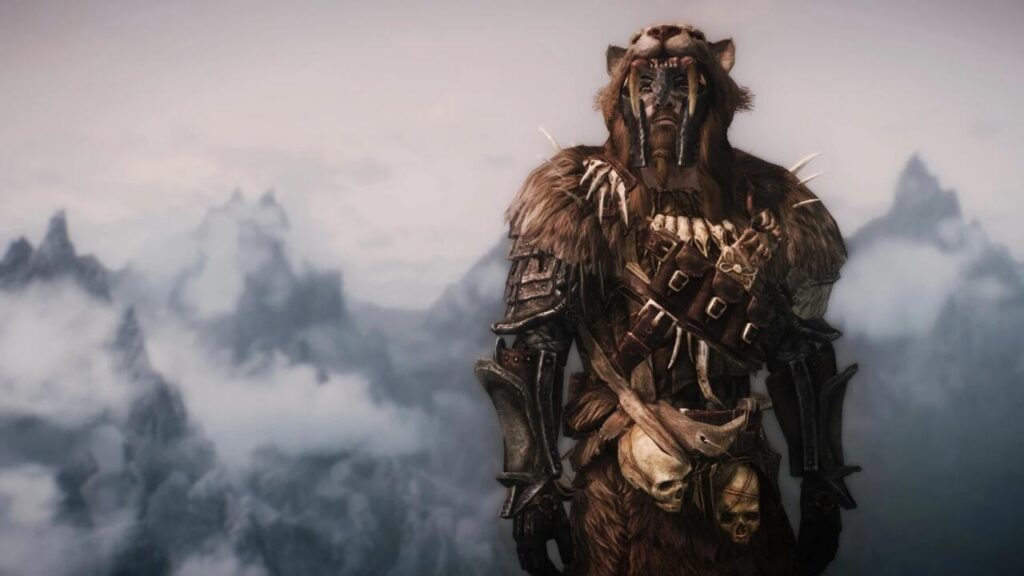
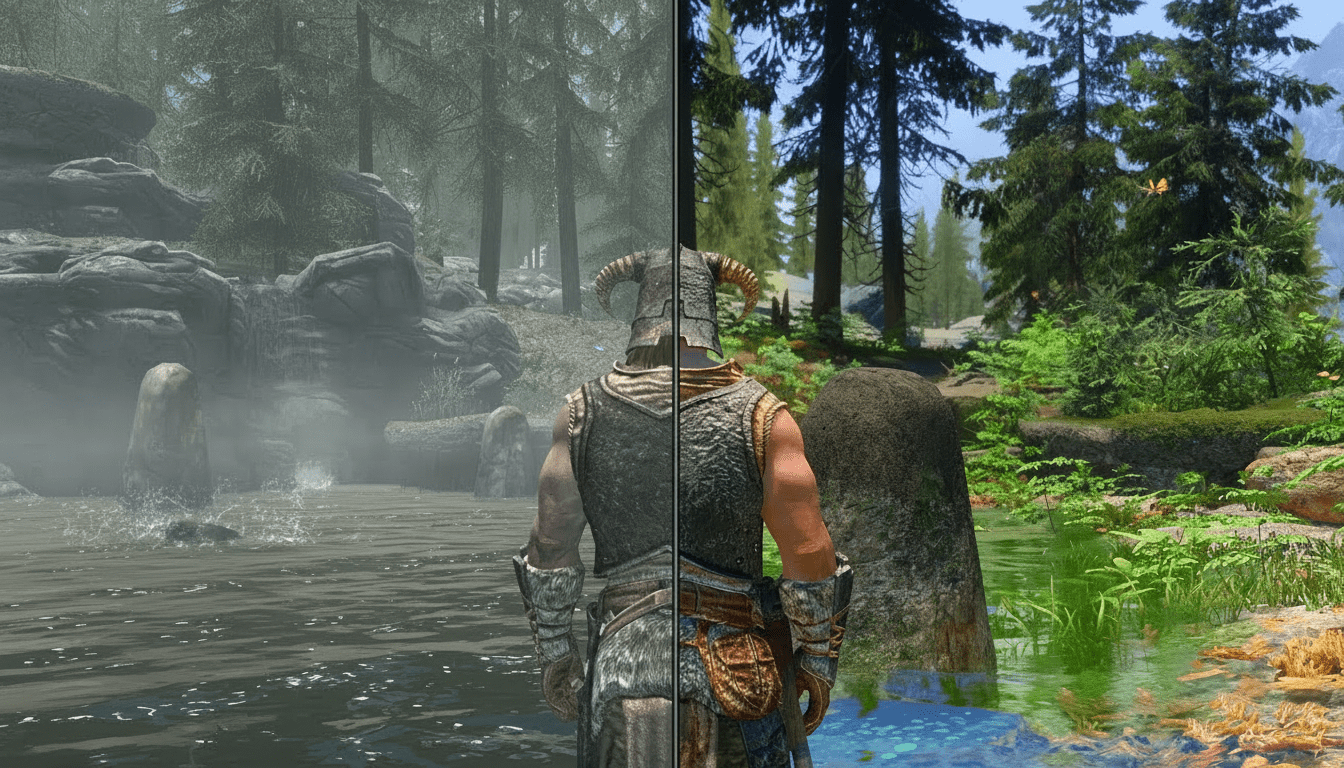
There was no avoiding it. Despite coming out in 2011, Skyrim remains the definitive modding platform, having achieved a level of immortality that few other games can match. With official tools like the Creation Kit, the community has produced thousands of mod lists, including “Immersive Armors,” a mod that adds hundreds of new armor sets to the game in a lore-friendly way, giving something as straightforward as a piece of equipment its own story to tell.
It was not the first game to count on official support from its makers, but it was by far the most celebrated at a time when modding was considered a gray area by many. Bethesda went all in on promoting its community’s creativity, further expanding the Skyrim experience well beyond what was originally envisioned, and managed to do so across platforms, with all versions of the game working seamlessly.
Beyond simple tweaks, the game has hosted total conversions like “Enderal,” which delivers a completely new world, story, and progression system of professional-grade quality that rivals a big-budget release.
Final Thoughts

Modding is far more than a technical hobby; it represents a creative economy where the free exchange of code and ideas ensures that our favorite virtual worlds remain vibrant and alive.
A game that has several modding options is also a game that will find success if it hasn’t already. See Daikatana and Skyrim as perfect examples: while the former was saved by a dedicated community, the latter improved massively on what was already seen as amazing.
Whether through rescuing a title from technical obsolescence or expanding a vanilla experience ten times over, these communities provide a vital service that bridges the gap between a developer’s product and a player’s dream. As gaming hardware and software continue to evolve, the partnership between those who build the worlds and those who refine them remains the most powerful force in modern gaming. to evolve, the partnership between those who build the worlds and those who refine them remains the most powerful force in modern gaming.