
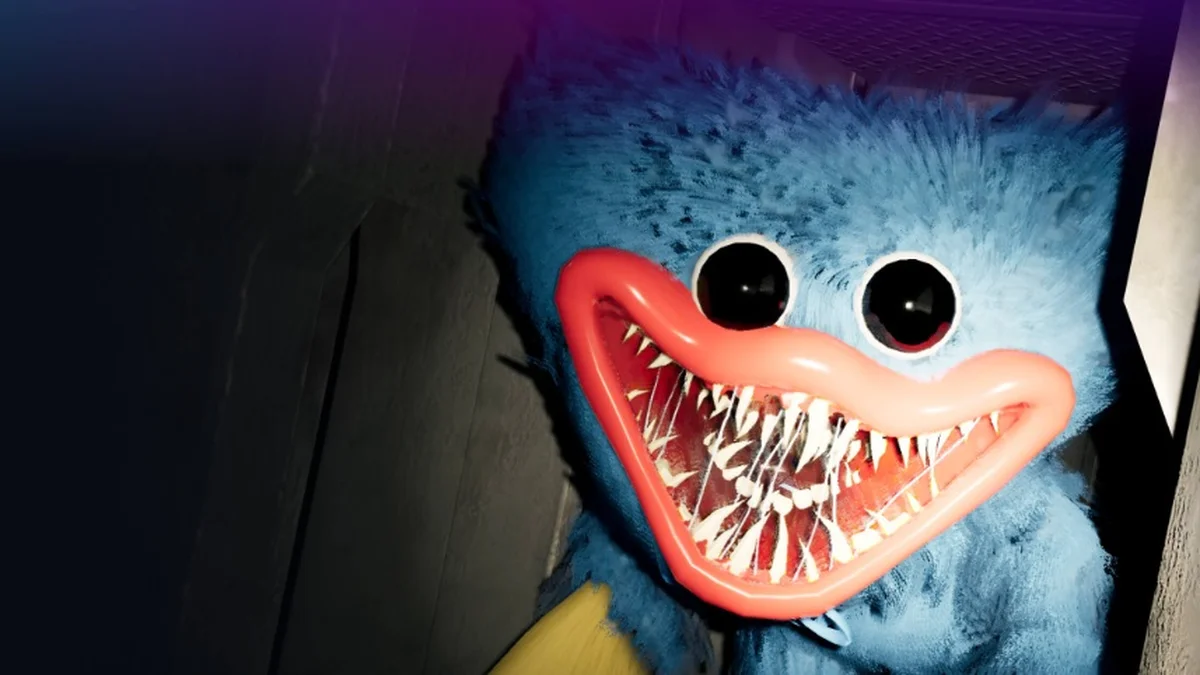
Poppy Playtime Chapter 5: Broken Things did manage to set itself apart from its previous entries, gaining more traction than its predecessors and, at least according to some reviews, setting up a solid narrative path as the story moves closer to its conclusion.
A lot of reviewers who had early access to the game claim it may even be the best entry point for newcomers, thanks to its lighter gameplay approach. But that’s not the only reason it has managed to break out of its usual audience and land on the radar of players who aren’t particularly into mascot horror. It’s not scary just for the sake of it; it builds tension slowly and leans into a more controlled, creeping sense of dread.
Still, for a game that sold 175,000 units within its first twenty-four hours, according to Steam data, this chapter works as both a narrative high point and a technical step forward. So here’s why it might be worth your time.
1. Massive Identity Revelations (While Keeping the Mystery)
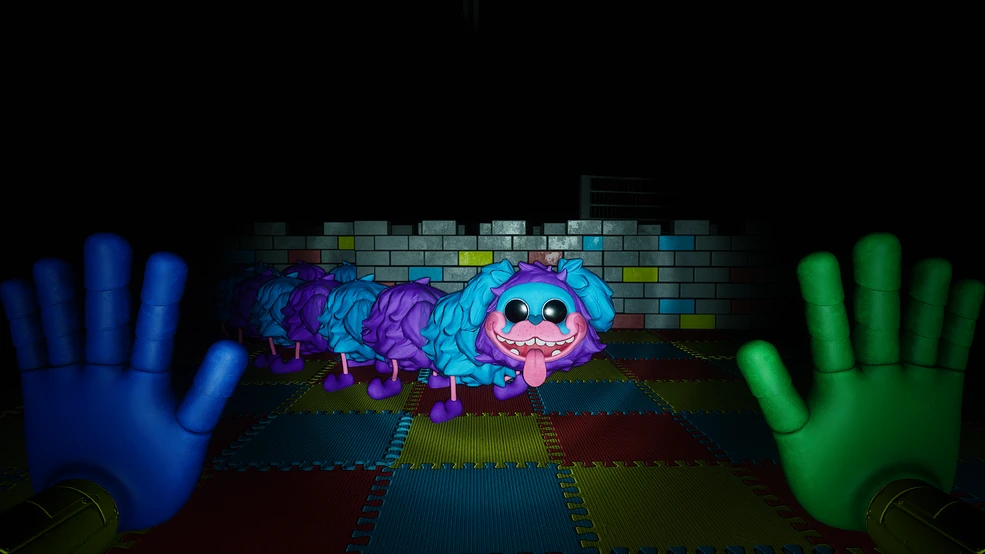
Poppy Playtime Chapter 5: Broken Things is a narrative leap in comparison to its predecessors. One of the details that proves this is the fact that it may give you the identity of the player.
Much like Five Nights at Freddy’s, the earlier chapters of Poppy Playtime give you a broad outline of the character you control. And while that worked back then, this chapter flipped the script on giving some very noticeable hints of your identity, your relation to everything that unfolds in the game.
This happens by way of documents in the Engineering and R&D wings pointing toward Eddie Ritterman, a high-ranking executive. Ritterman’s schedule confirms he was away at the “Playpark” facility during the Hour of Joy, explaining his survival. Furthermore, the chapter delivers a massive “lore bombshell” by revealing that Ollie, the player’s guide, is actually the Prototype (Oliver Ludwig), who has been manipulating the protagonist from the shadows.
So, check the mark for intricate storytelling. That’s always a plus.
2. Significant Technical Leap
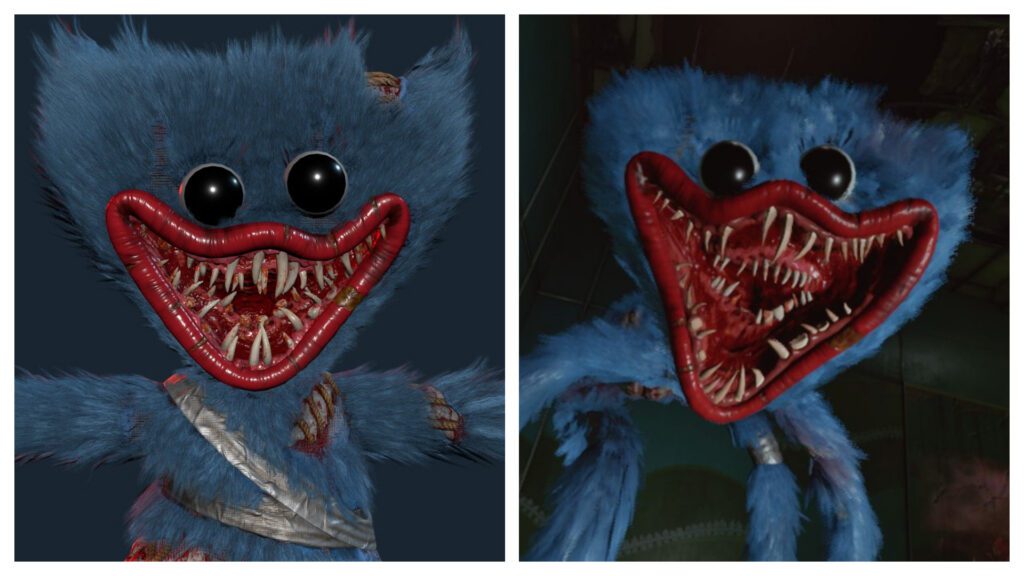
Chapter 5 is the first entry in Poppy Playtime to be developed using Unreal Engine 5.5, and that upgrade is immediately noticeable. The visual refinement stands out, especially when you slow down and pay attention to the smaller details. Enemies like Huggy Wuggy now move with far more fluid, lifelike animations, moving away from the stiff, scripted feel seen in earlier chapters.
This is paired with the use of the Environment Query System, or EQS, a system that allows enemy AI to react dynamically based on your position and behavior. The result is a more tactical and less predictable experience. Play through Chapter 5 multiple times, and chances are each run will feel different, with enemies adapting in ways that keep you on edge.
3. Memorable and Disturbing New Antagonists
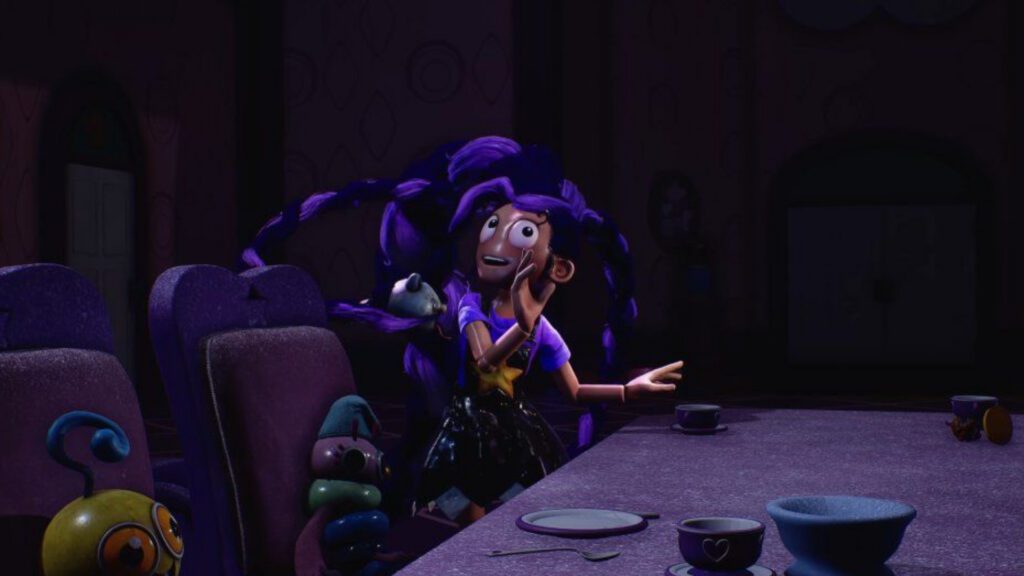
The introduction of Lily Lovebraids—later revealed to be the experiment form of counselor Gracie Green—is one of the game’s strongest psychological moments. Her domain is built around a massive, surreal dollhouse that leans heavily into warped proportions and unsettling design, creating a constant sense of childlike vulnerability.
That feeling is pushed even further through areas like the “Conditioning Rooms,” where it becomes clear that the orphans were subjected to intense psychological manipulation. All of it builds toward a deeply uncomfortable “tea party” sequence, where the player finally comes face-to-face with The Prototype.
Yeah, not for the faint of heart.
4. Tenderness Being Overrated
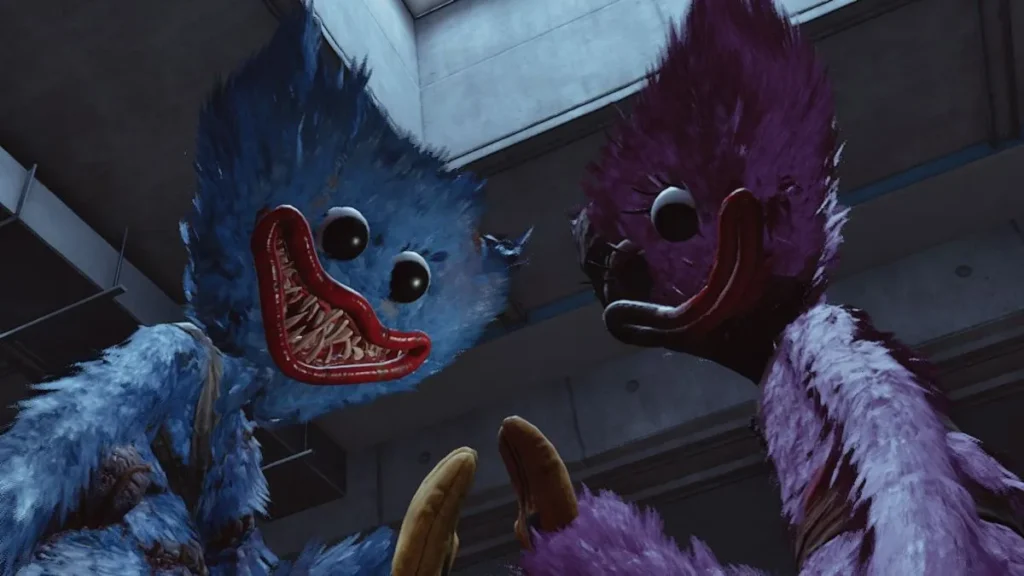
The chapter also delivers what many players are calling the “sweetest moment” in the franchise: a silent reunion between Huggy Wuggy and Kissy Missy, where the two share a rare, calm embrace. For the first time, Huggy doesn’t feel like a relentless threat, but something almost…human.
Of course, the game doesn’t let that moment breathe for long. The Prototype cuts it short in brutal fashion, impaling both characters and immediately raising the emotional stakes. It’s the kind of scene that sticks, not just for the shock, but for what it takes away from the player just as quickly as it gives it.
This kind of setup isn’t exactly new. Resident Evil 2 Remake did something similar with Mr. X, building him up as an unstoppable force before pulling the rug out from under players. The difference here is tone. That moment was more about surprise, while this one leans heavily into emotion.
After spending so long being hunted by Huggy, seeing him lower his guard, even for a second, makes what follows hit that much harder. It’s a small window of vulnerability, and the fact that it leads directly to his downfall makes it land as one of the chapter’s strongest narrative moments.
5. Expanded Scope and Global Conspiracy
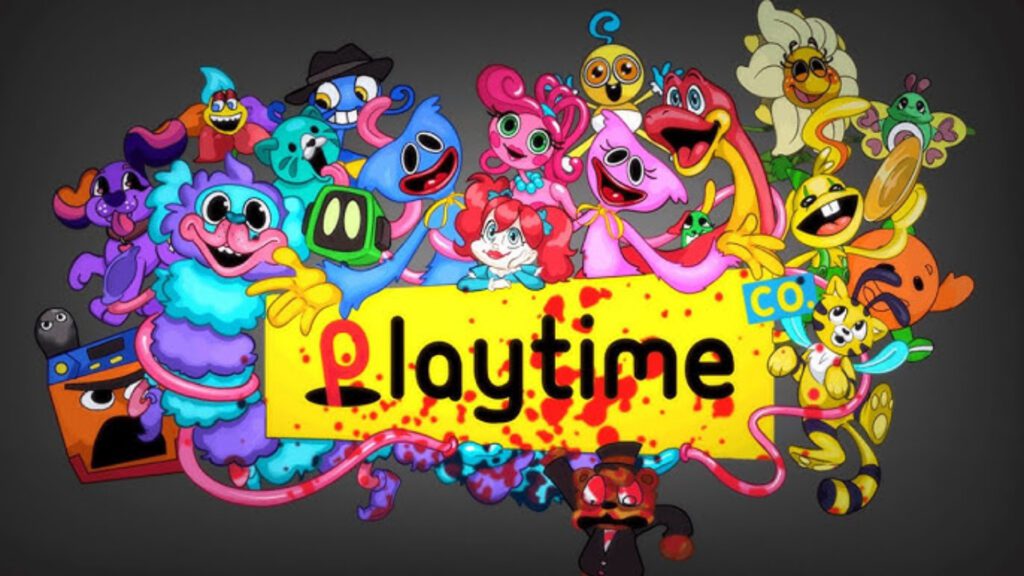
Chapter 5 also expands the scope of the story in a big way. New lore reveals that Playtime Co. was never limited to a single factory, but rather a global operation with facilities planned across multiple regions.
One of the key pieces comes from a tape titled “Pierre/Ritterman August ‘95,” which outlines expansion efforts into Tokyo, a location that was meant to become a central hub for future research. It’s a small detail on the surface, but it opens up the world far beyond what we’ve seen so far.
On top of that, the chapter confirms that 23 experiments managed to escape the factory shortly after the Hour of Joy. That alone changes everything. Not only does it raise the stakes, but it also sets the stage for future storylines that could move away from confined spaces and into full urban environments.
6. Refined Professionalism and Polish

Mob Entertainment clearly stepped things up for Chapter 5, expanding its team and bringing in specialized directors for gameplay, narrative, and cinematics. That investment shows. The game launched in a much more stable and polished state, a noticeable improvement compared to earlier chapters that struggled with bugs and technical issues.
But it wasn’t just about increasing headcount. There’s a clear sense that the team was fully invested in what they were building. The result feels less like a routine release and more like a project the developers genuinely cared about, something they would actually want to play themselves. That kind of attention and intent goes a long way, and it shows throughout the entire experience.
7. Shocking Cliffhanger and Character Returns
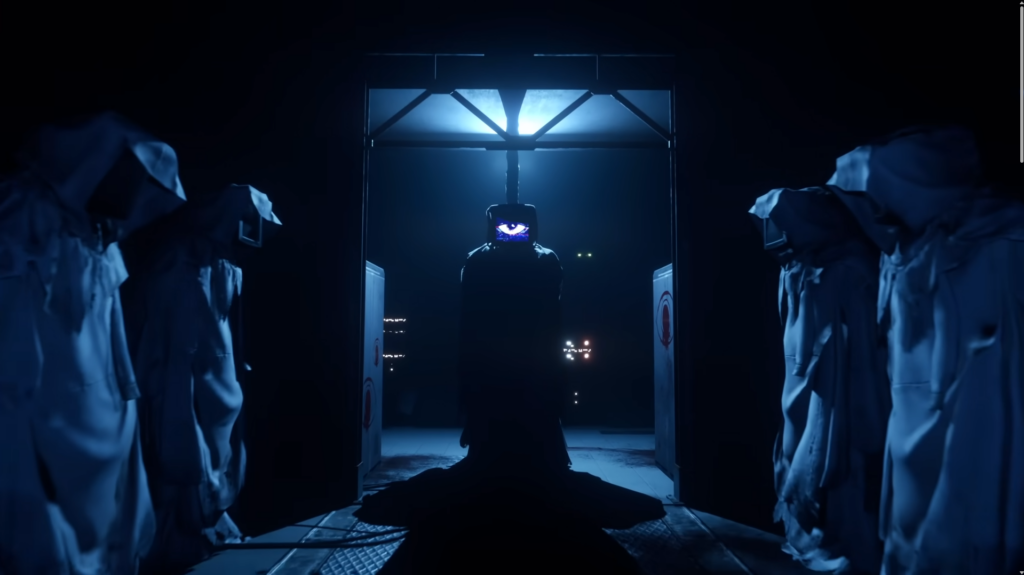
And yeah, even after all that, the game still isn’t done with you. Chapter 5 closes things out with the “digital resurrection” of Dr. Harley Sawyer, now existing as an AI backup consciousness. That alone shifts the dynamic moving forward, forcing the player into an uneasy alliance with someone who was, up until now, firmly on the other side. Like it or not, he might be the key to taking down The Prototype.
And then there’s the final sequence. Being submerged in a vat of Poppy Gel isn’t exactly subtle foreshadowing. It strongly hints that the protagonist may not come back the same in Chapter 6, possibly returning as something altered, or worse.
New abilities, a different perspective on the story, even changes in how the game plays… yeah, there’s a lot being set up here.
Final Thoughts: Setting the Stage for the Final Act

It’s one thing to read all of the above, spoilers included, and just “know” what happens in a game. It’s another thing entirely to go in already informed and still feel that urge to experience it firsthand. That was pretty much my case with Poppy Playtime Chapter 5: Broken Things. I got to it well after its late February release, long after everyone else had already played it. And yeah, I’ll admit it, reading about it beforehand pushed me to dig even deeper into its lore, and even revisit parts of the earlier entries.
I’ve said this before, but I’m very much a story-driven player. Straightforward plots don’t really do it for me. I like when a game gives you just enough to understand what’s going on, but still leaves gaps that make you want to look things up, connect the dots, and piece it all together yourself.
That’s where Poppy Playtime, in my opinion, stands out more than Five Nights at Freddy’s. Its storytelling feels more structured, but not in a restrictive way. It gives you clarity when needed, while still leaving enough room for interpretation to keep things interesting.
Chapter 5 is where that approach really comes together. It moves the series away from being just a collection of scripted scares and turns it into something more layered, where the environment, AI behavior, and narrative all feed into each other.