
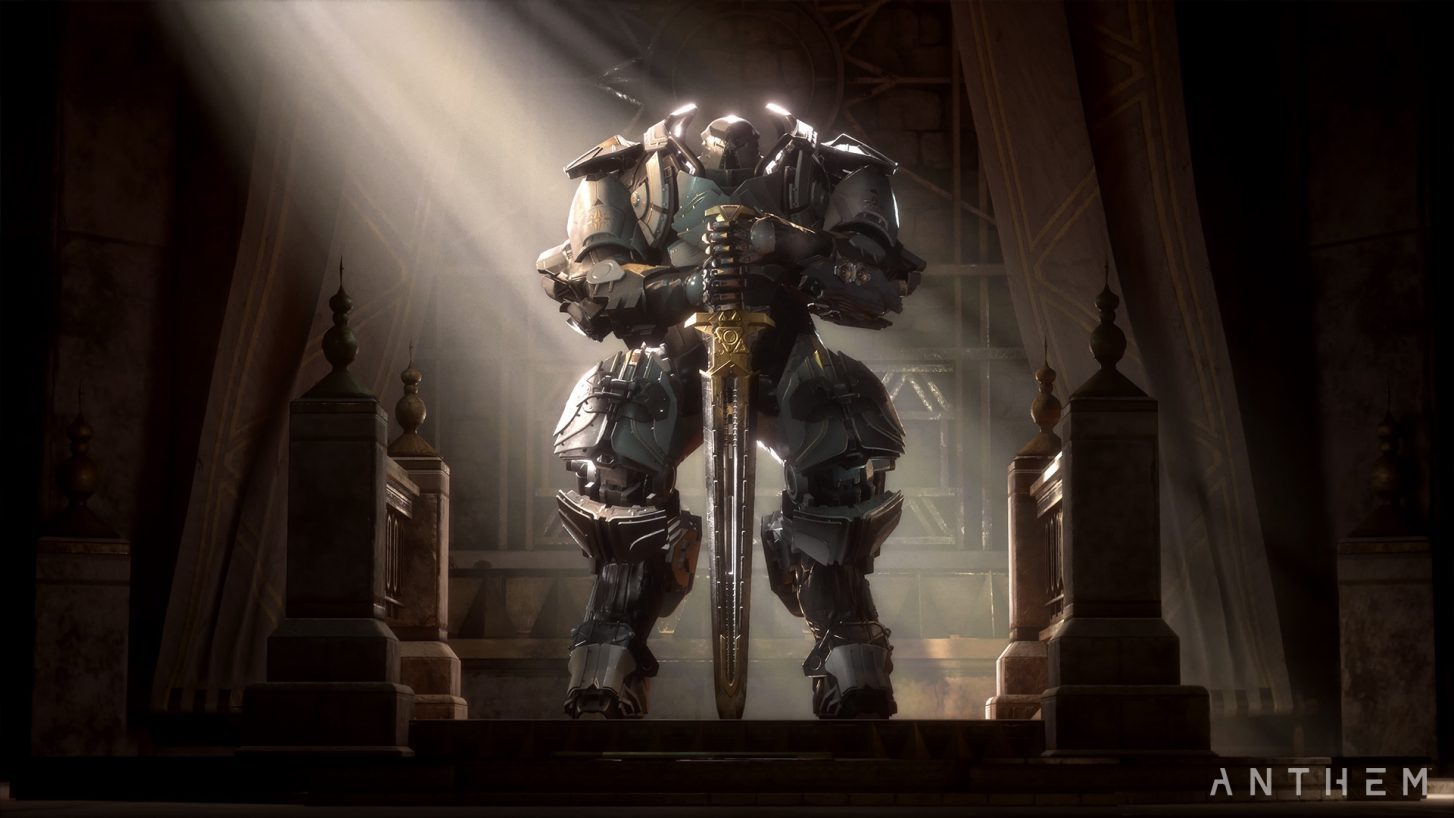
Today, January 12, 2026, marks the end of an era as the servers for Anthem are officially taken offline. BioWare has confirmed to be following through on their announcement made last year and, as the date finally approaches, the game’s final farewell is starting to sink in on most of its fans.
The news is bittersweet to say the least, given the fact that Anthem — despite its very rocky road and its current status as a cautionary tale in game development history — did manage to survive long enough to attain a good user base, solid content offers and an overall passable loot shooter experience.
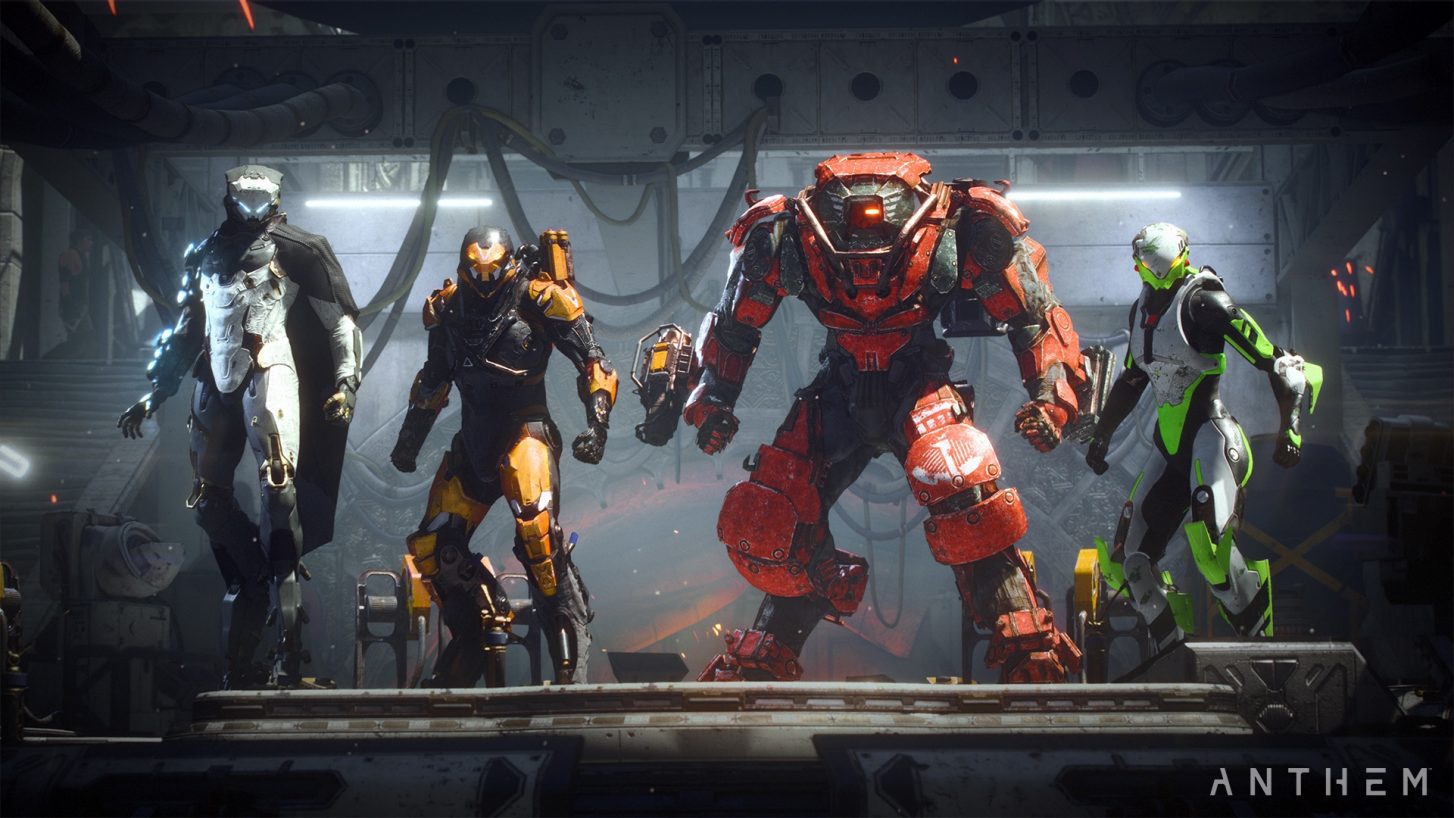
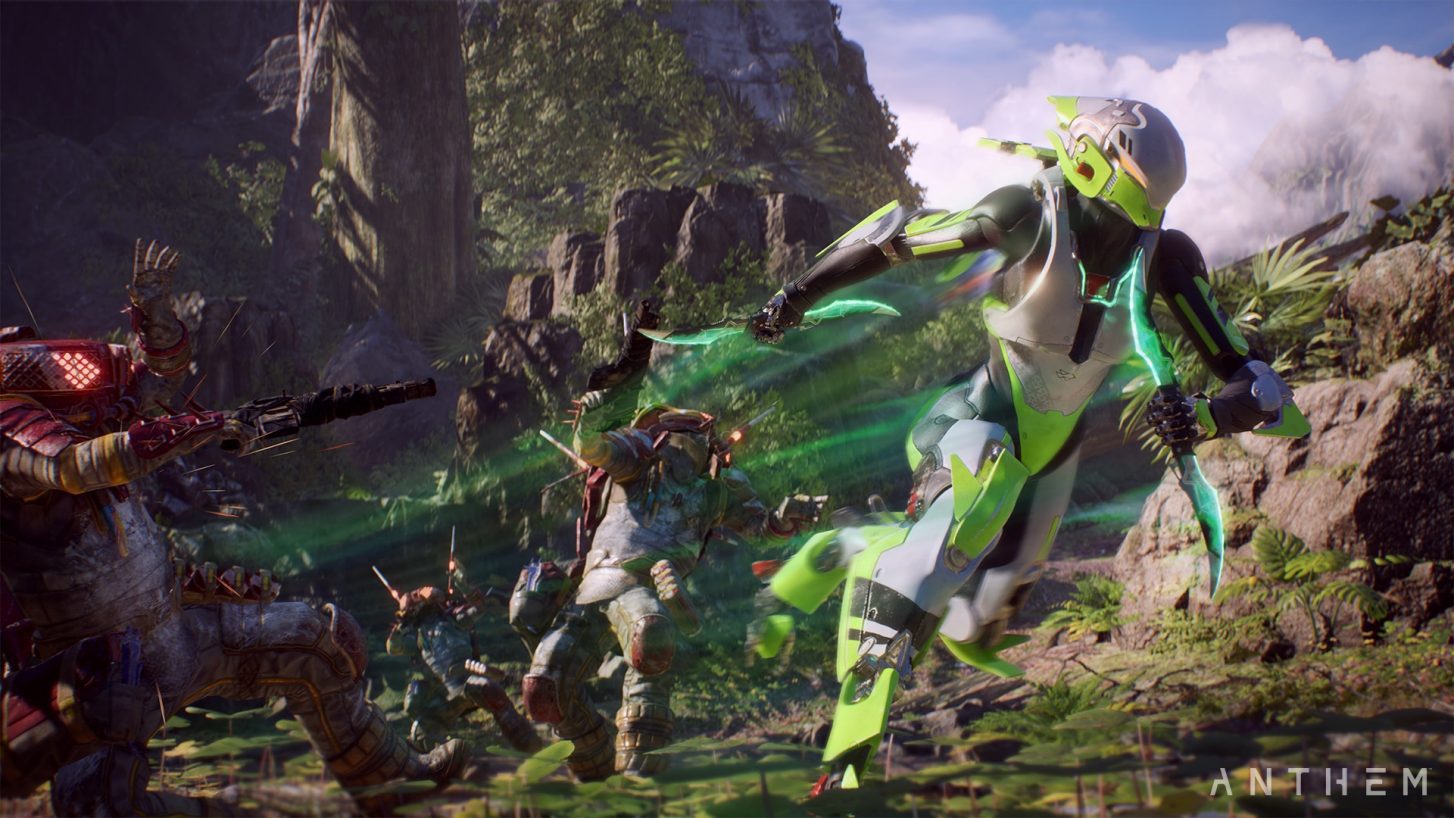
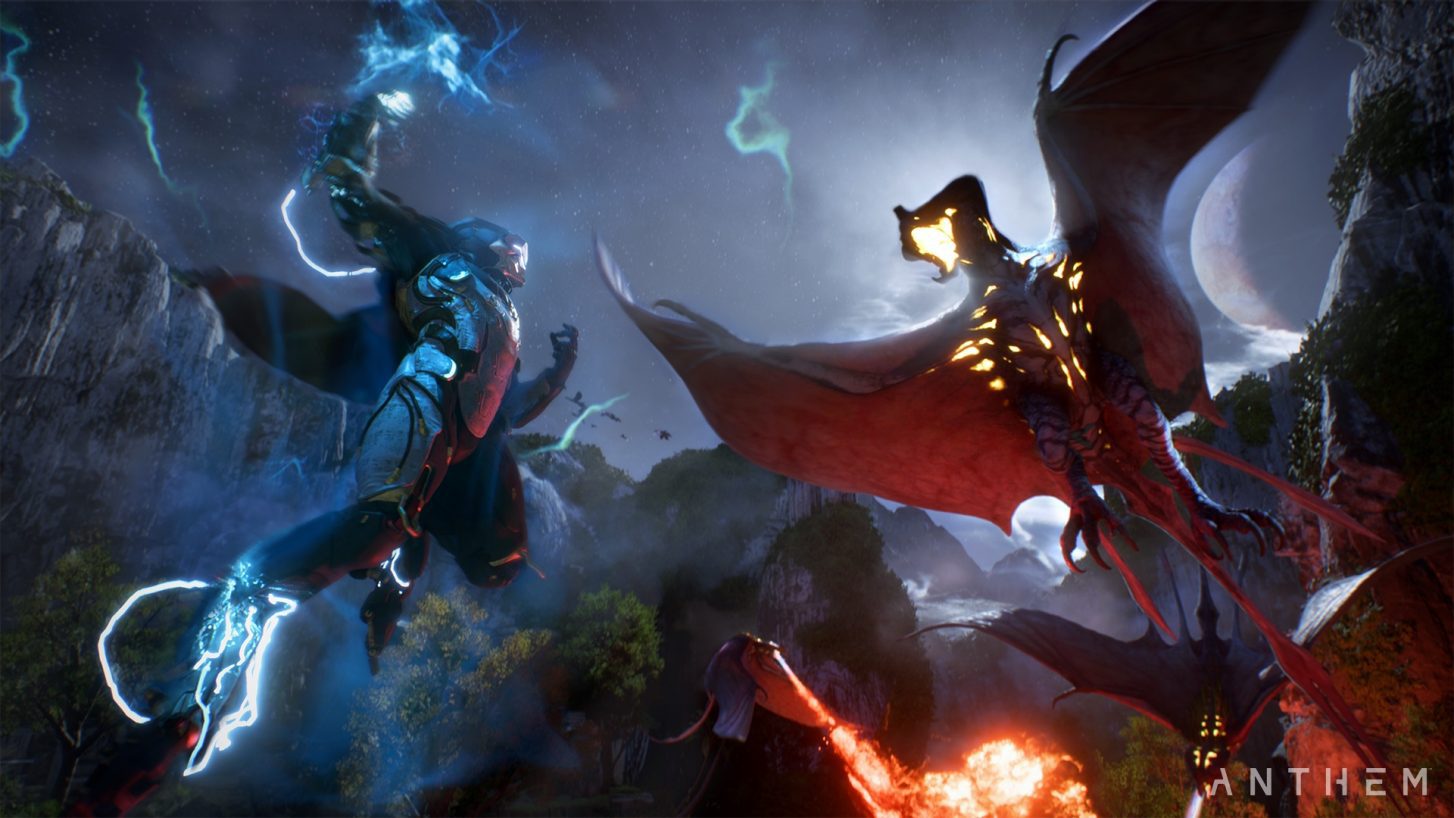
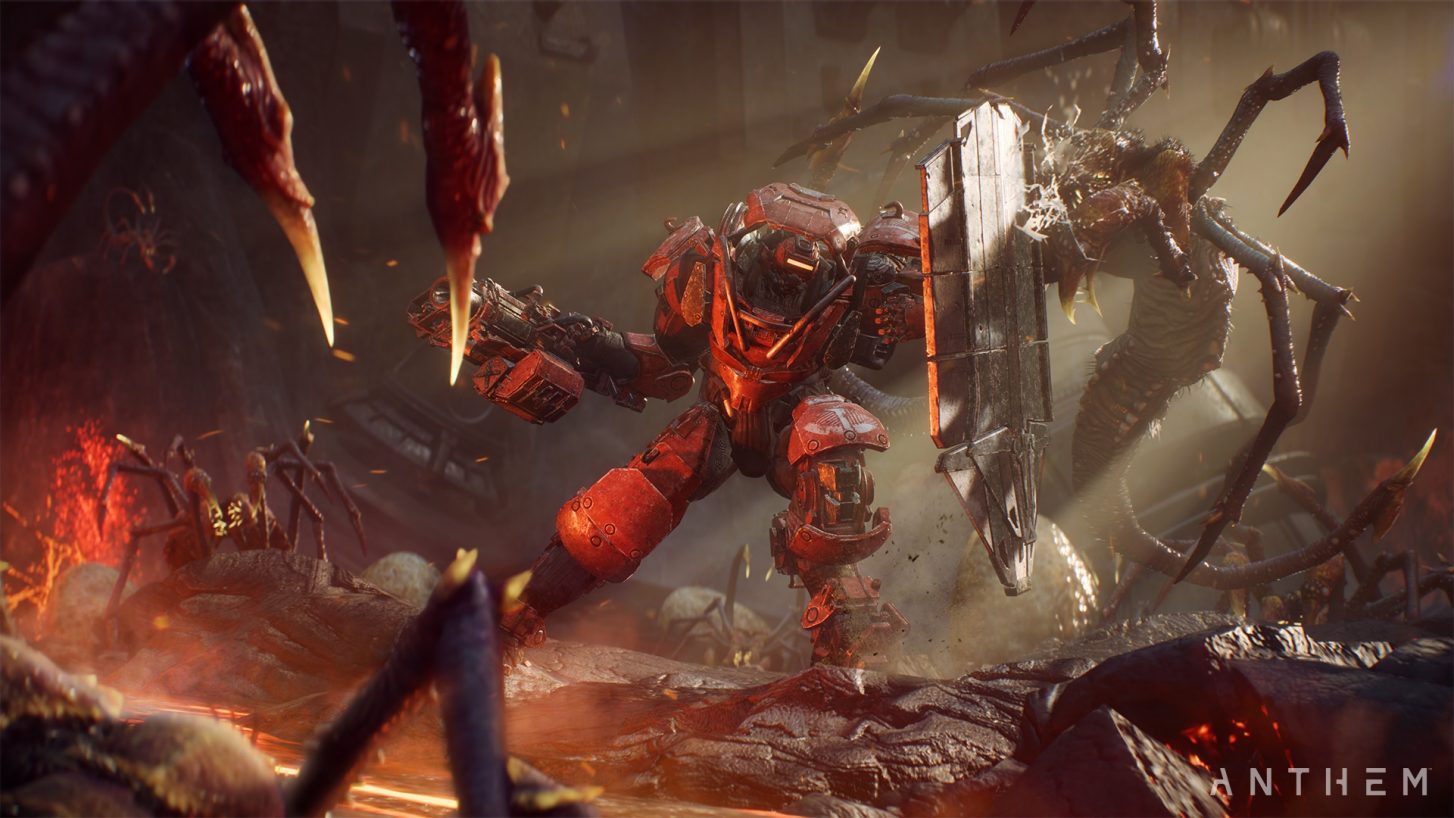
So, as our way to say goodbye to Anthem, here are 15 curiosities you may not know about the game.
The sun sets in the world of Coda: 15 things you didn’t know about Anthem
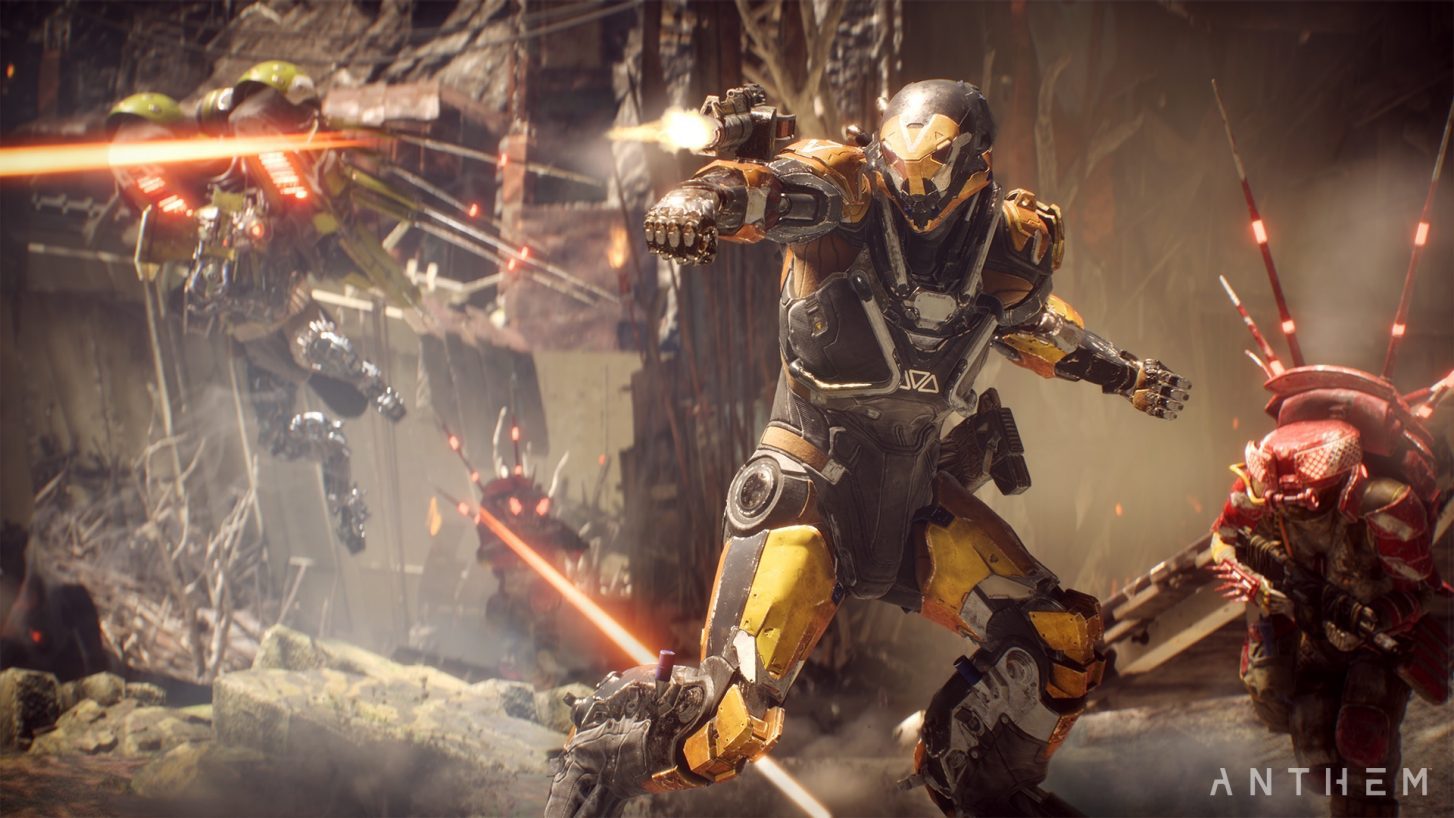
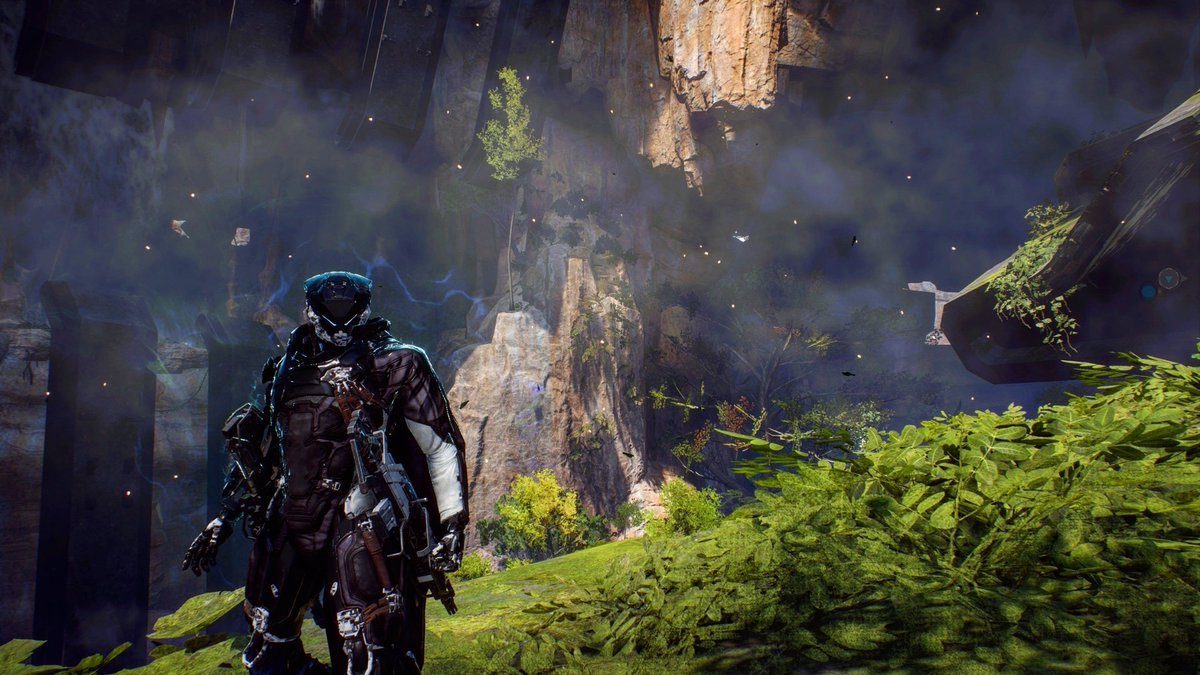
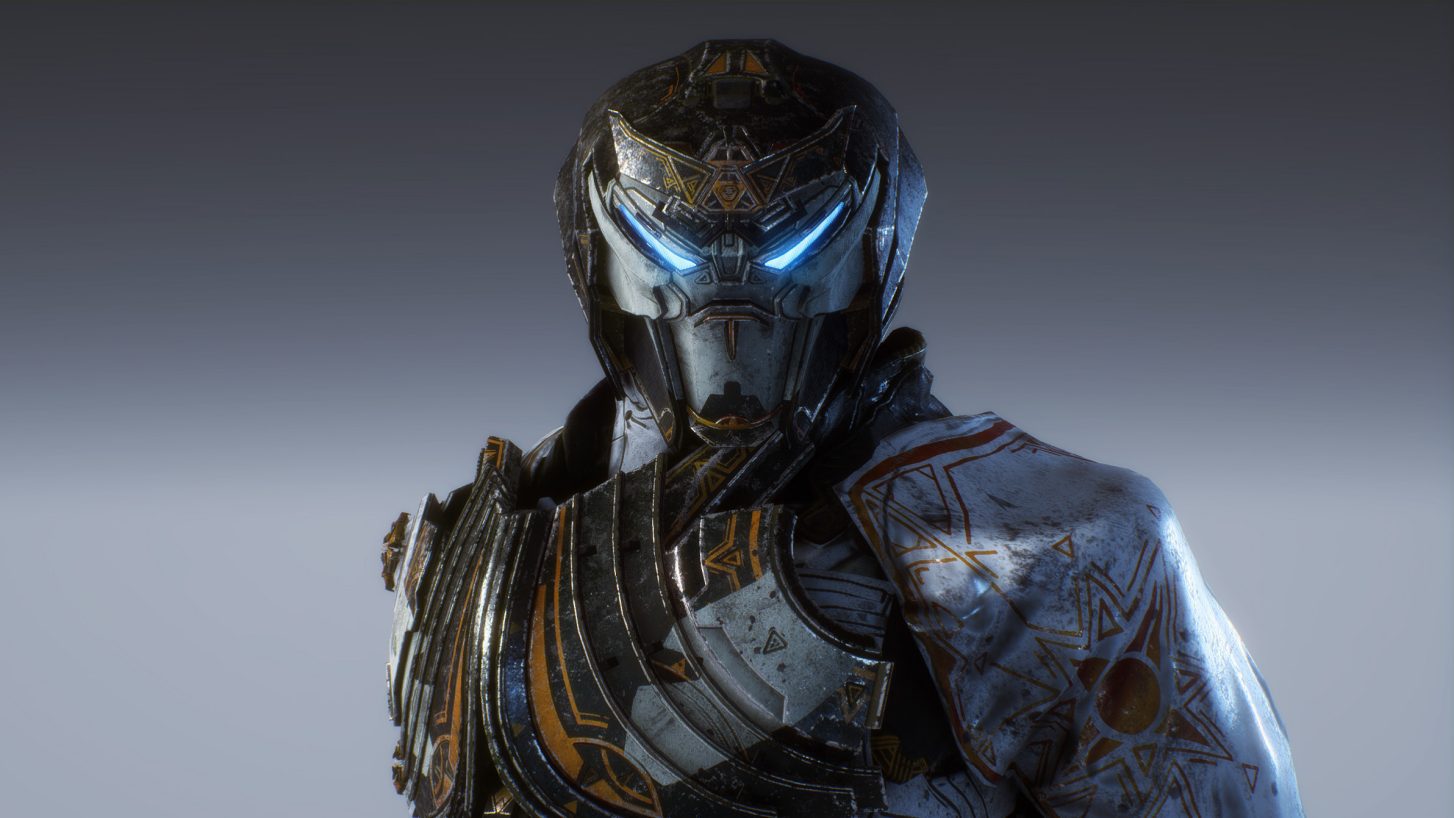
1. It was codenamed “Project Dylan” for a bold reason
The project was initiated in late 2012 by director Casey Hudson and a small team of veteran Mass Effect developers who chose the codename “Dylan” as a statement of intent. They aimed to create a product that would be as revolutionary to interactive entertainment as Bob Dylan’s music was to the cultural landscape of the 1960s.
Initially, the project was so highly guarded that it was categorized as a “mystery project” within the studio, requiring password protection for staff to even access its internal wiki. This high level of secrecy contributed to an early sense of immense potential as the team explored concepts radically different from the final looter-shooter product.
2. The name “Anthem” was a last-minute backup
For most of its development cycle, the game was titled “Beyond”. However, BioWare was forced to abandon this title only one week before its official unveiling at E3 2017 because trademarking the world proved too difficult.
The team quickly pivoted to Anthem, which was one of their backup names. This last-minute change was symptomatic of the project’s broader structural instability, as the core branding was in flux just days before the game was introduced to the global public.
3. A seven-year cycle with an 18-month sprint
While Anthem was technically in development for nearly seven years, the version of the game that actually shipped was largely built in a desperate final 12 to 18 months. Most of the preceding five years were spent in a state of pre-production paralysis where very few features were finalized or implemented.
This stagnation was compounded by a leadership vacuum that formed after Casey Hudson’s departure in 2014, leaving management struggling to provide a consistent direction. Developers reported that fundamental systems like loot mechanics and Javelin powers remained in a state of flux as late as 2018.
4. “Destiny” was a taboo word in the office
Despite Anthem clearly entering the looter-shooter market, leadership explicitly forbade staff from using the word “Destiny” as a reference point in meetings. Internal reports suggest that mentioning Bungie’s rival game was considered taboo, with directors famously telling developers “this isn’t Destiny”.
Instead, management preferred to use Diablo III as a reference point for loot, despite Anthem sharing much more DNA with Destiny in terms of “fire teams” and “raids”. This refusal to learn from the successes and failures of its most direct competitor meant the team was often forced to solve problems that other developers had already addressed years earlier.
5. Directors ordered the game to be “unmemeable”
In the wake of the technical failures and facial animation issues that plagued Mass Effect: Andromeda, BioWare leadership issued a mandate that Anthem must be “unmemeable”. This strategy was intended to focus the team on high-quality animations to avoid the internet mockery that had damaged their previous release.
Ironically, this mandate was rendered moot by the reality of the game’s launch, where long loading times and loot scarcity became massive memes themselves. While they avoided jittery faces, the phrase “Anthem has no loot” and images of infinite loading screens became the defining symbols of the game’s release.
6. The “BioWare Magic” cultural fallacy
The studio’s internal culture relied heavily on a concept known as “BioWare Magic,” the belief that no matter how chaotic a project’s development was, it would miraculously coalesce into a masterpiece in the final months. This philosophy had previously served the studio during the development of Dragon Age: Origins and Inquisition.
However, during Anthem’s production, this belief became a dangerous liability. Instead of “magic,” the reliance on this fallacy resulted in a period of extreme crunch that took a massive toll on the health and morale of the workforce.
7. The tragic cost of “stress casualties”
The intense pressure of the 18-month production sprint led to what staff internally called “stress casualties”. This referred to employees who suffered mental breakdowns and were forced to take doctor-mandated “stress leave” for weeks or months; many of these individuals never returned to the studio.
Former employees reported an “epidemic” of depression and anxiety within the office, with developers frequently finding private rooms just to cry. This human cost remains one of the darkest aspects of the game’s developmental legacy.
8. Flight was only saved by an EA executive
Anthem’s most iconic feature, flying, was actually added and removed multiple times during pre-production. For a significant portion of development, the game was purely ground-based, a design many developers found uninspired and boring.
The mechanic was only permanently solidified after EA executive Patrick Söderlund played a ground-based demo, deemed it “unacceptable,” and demanded flight be re-added to give the game a unique selling point. While this saved the game’s core identity, it introduced massive technical hurdles for the engine to load textures fast enough for flying Javelins.
9. The “Frostbite Buzzsaw”
Developers were forced to use the Frostbite engine, which was originally designed by DICE for the Battlefield series and was highly optimized for first-person shooters. This created a “Frostbite buzzsaw” that devastated momentum, as the engine lacked the basic tools needed for a narrative-heavy RPG.
BioWare engineers had to build inventory systems, third-person cameras, and conversation trees from scratch, often “hacking” their way through the code. Because Frostbite support was rationed by EA, BioWare often lost out on technical help to more profitable franchises like FIFA.
10. The E3 2017 trailer was essentially “fake”
The stunning reveal trailer shown at E3 2017 was a “vertical slice”—a highly curated video clip that did not accurately reflect the state of the actual game. At the time of the reveal, BioWare had barely implemented a single mission, and many developers were seeing the game’s features for the first time alongside the public.
Technical analysis showed that even high-end PCs could not match the visual fidelity and seamless world shown in that reveal. Features like the dense NPC population in Fort Tarsis and the lack of loading screens between the hub and the open world were entirely missing from the final retail product.
11. Hidden 8-bit Konami Code secret
A delightful secret hidden within the game’s title screen allowed players to enter the Konami Code (Up, Up, Down, Down, Left, Right, Left, Right, B, A). This command would instantly transform the sweeping orchestral menu music into a retro 8-bit chiptune version.
The track that was converted is titled “Legion of Dawn,” and this hidden feature highlighted the team’s appreciation for classic gaming culture. It remains one of the most curious “good” facts about the game’s presentation.
12. Sarah Schachner’s universally acclaimed score
While the game’s reception was mixed, the soundtrack by Sarah Schachner received universal praise for its unique “familiar yet alien” sound. BioWare’s creative direction was for the music to exist somewhere between “The Avengers and Middle-earth,” combining heroic themes with tribal textures.
To achieve this, Schachner used unique instruments like the Fujara (a Slovakian overtone flute) and the didgeridoo, processing them through digital filters for a sci-fi flavor. She also used a vocoder to re-synthesize human voices, creating a haunting “half-human, half-robotic” sound.
13. The failed “Anthem NEXT” resurrection
Following the game’s poor launch, BioWare Austin spent over a year working on a major overhaul called Anthem NEXT (or Anthem 2.0). This project aimed to fix fundamental issues with loot viability, progression, and UI accessibility, essentially rebuilding the game’s core systems.
Despite progress in internal playtests, the project was officially cancelled in February 2021. Leadership cited the impact of the COVID-19 pandemic on productivity, ultimately deciding to shift resources to the next Dragon Age and Mass Effect titles.
14. Cross-studio easter eggs
Anthem is filled with nods to other BioWare franchises, such as a love letter to Morrigan from Dragon Age pinned to a tree in the world. Additionally, the bar owner in Fort Tarsis mentions that the establishment was almost renamed “The Black Emporium,” a reference to the magical shop in Dragon Age II and Inquisition.
The connectivity even works in reverse; later BioWare games like The Dragon Age: The Veilguard contain codex entries that mention General Tarsis, the legendary figure from Anthem. These curiosities suggest a cyclical or shared mythology across BioWare’s IPs.
15. The final silence
Today, January 12, 2026, the servers for Anthem are officially being shut down, fulfilling a plan announced in 2025. Because all game content, progression, and world data reside strictly on live servers, the game becomes completely unplayable after this date.
What was once pitched as the start of a “10-year journey” has ended prematurely, rendering the world of Coda a digital ghost. The story of Anthem concludes not as a thriving live service, but as a cautionary tale of a grand experiment that was abandoned before it could reach its potential.