

In a massive blow to the live-service shooter genre, Wildlight Entertainment announced via X that Highguard, its free-to-play, PvP, raid shooter, will shut down permanently on March 12th. The game was first revealed at The Game Awards with high hopes and a promising premise; it shot up to nearly 100,000 peak concurrent players on Steam and claimed 2 million total players within the first week. However, Highguard quickly and drastically lost players, dropping to under a thousand concurrent players, which led to mass layoffs, a pullout by Tencent, and the inevitable end of the server, complete with a final “legacy” update adding skill trees and cosmetics as a bittersweet send-off.
Yet, in the populated graveyard of failed live-service games with lofty ambitions, Highguard can at least claim a pyrrhic victory: it outlasted some of the most notorious failure speed runners in the genre. While Highguard’s 45-day run is no success story, it’s an eternity compared to some of the entries on this list.
Here are some multiplayer live-service cautionary tales that blinked out of existence faster than Highguard, proving that in 2026’s cutthroat market, surviving over a month can be seen as a flex.
Concord (11-14 days)

Sony bet $400 million on their hero shooter, Concord, which launched on August 23, 2024. Despite its substantial financial backing, hype, and anticipation, the game reached its ceiling at 697 players. Concord was delisted on September 6th, 14 days after launch. This swift shutdown earned it the unfortunate title of “the fastest AAA shutdown.” Concord set the bar, and Highguard comfortably cleared it by 31 days.
Radical Heights (44 days)
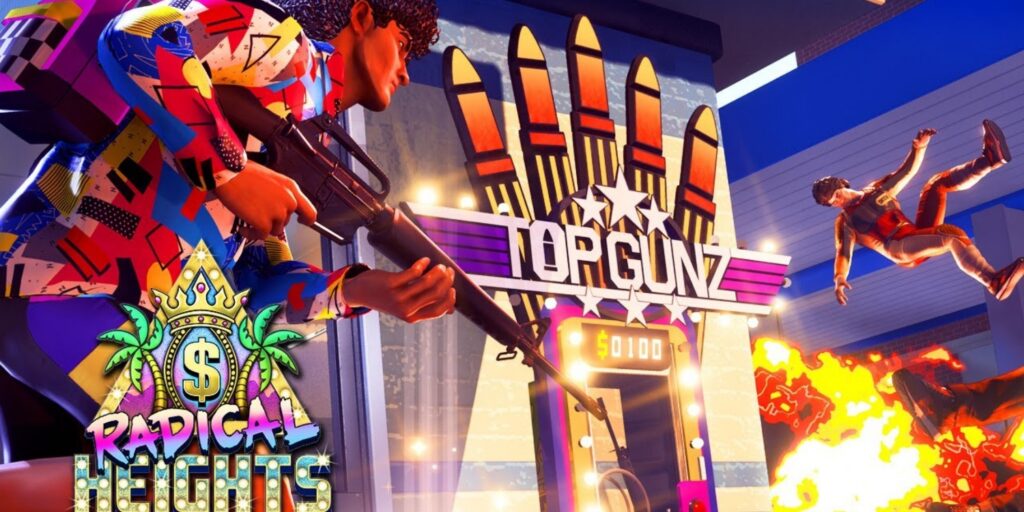
Boss Key Productions thought they had a PUBG rival when they released their surprise battle Royale title on April 10, 2018. However, as time would reveal, they couldn’t have been further from the truth. Radical Heights failed to retain players, and with fewer and fewer returning players and a sea of negative feedback, servers shut down on May 14th. Highguard beats out Radical Heights by a day, but the sport of live-service flops is one of fine margins.
Crucible (20 days public release)

Amazon released its live-service hero shooter on May 20, 2020, with the intention of breaking into the multiplayer shooter market. However, after an unrelenting flood of negative feedback from players and reviewers, who pointed to confusing gameplay systems, unclear objectives, and balance issues between characters, the game was reverted to a closed beta by June 9.
Crucible fully closed servers in October, but the “live” phase was a blink, only lasting 20 days, considerably shorter than Highguard’s full run.
The Day Before (4-5 days)

The hyped (and then quickly debunked) zombie MMO/survival extraction shooter launched on November 21, 2023, to a flood of review bombing and scam accusations. The servers were taken down by November 25th. While The Day Before wasn’t a pure live-service title, it was still intended as a multiplayer experience that depended on active servers. Interestingly, Highguard actually remained playable longer, meaning its lifespan ended up being roughly three times longer than The Day Before’s brief run.
The Culling 2 (8 days)

Battle royale sequel The Culling 2 launched on July 10, 2018, and was developed and published by Xaviant as a follow-up to The Culling. Unlike the original’s melee-focused survival gameplay, the sequel pivoted heavily toward a gun-focused battle royale formula, drawing immediate comparisons to hits like PUBG and Fortnite.
The existing fanbase widely criticized the shift in direction, and the game quickly received overwhelmingly negative reviews on Steam. Player numbers collapsed almost immediately after launch, making it difficult to sustain matches in a game that depended entirely on active multiplayer participation.
Just eight days later, on July 18, 2018, Xaviant announced that The Culling 2 would be shut down, pulling the game from sale and issuing refunds to players.
Conclusion

Highguard’s demise underscores the genre’s high-stakes gamble: massive upfront investment, endless content promises, and razor-thin margins for error in player retention. Devs poured passion into Wardens, raids, and arcane flair, only for “game culture” review bombs and market saturation to doom it.
Kudos to Wildlight for the final update. Now we can grind those skill trees before the lights go out. For players and studios alike, it’s a reminder that, in this genre, outliving a housefly is progress. Still, true staying power requires more than just hype. Here’s hoping the next hero shooter learns from the graveyard.