Games like Hollow Knight Silksong and Clair Obscur: Expedition 33 have shown everyone how the indie games market overcame that “lesser game” perception a long, long time ago. While it is still true that independent, publisher-less endeavors take a longer time to make, their deliveries are nothing to scoff at — just see what Sandfall Interactive’s magnum opus did at this year’s Game Awards and you’ll be hard pressed to disagree.
A few years ago, I came across another example — or rather, promise — of that sector: Gixer Entertainment’s Changer Seven is a action-adventure-hack and slash hybrid that mixes up high-on-adrenalin action in a sandbox environment, using visual and cultural motifs from super sentai/tokusatsu shows of yore. Most recently, however, I had a chance to chat with the Brazilian studio’s CEO, Juno Cecilio, in order to discuss how this is not just another project for them — it’s the culmination of a two-decade, “wait-until-the-time-is-right” scenario that is finally taking proper shape.
To be honest, I was only supposed to tackle one, single topic: Katsuhiro Harada, who recently left Bandai Namco after 30 years and God know how many Tekken games led by him, is a consultant for Changer Seven. But the game is just so enticing that, as soon as my first message reaching out had an answer from Mr. Cecilio himself, I was hooked.
And I think you should be — or at least have this on your attention radar.
Just what is Changer Seven and why it’s such a major deal
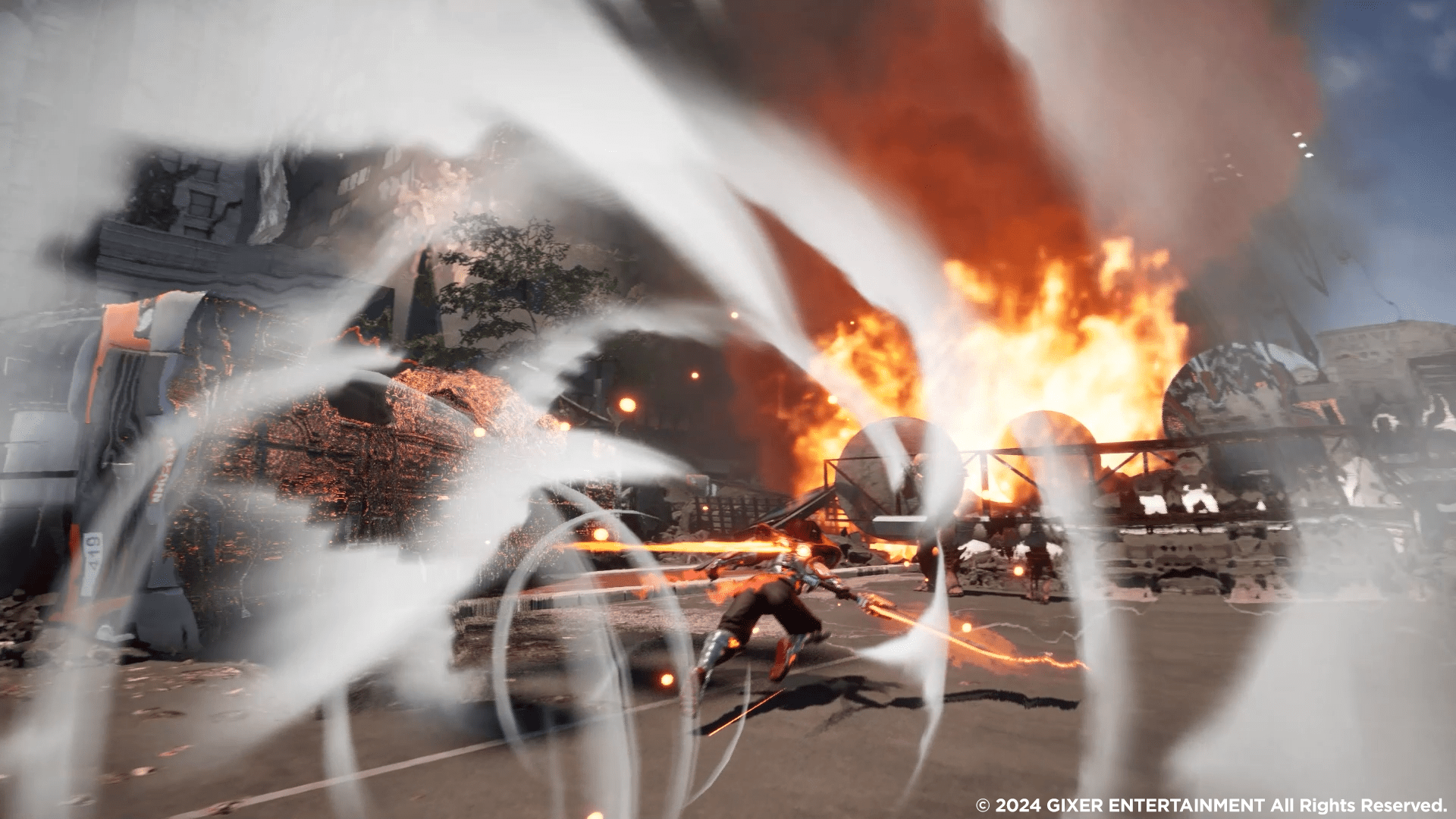
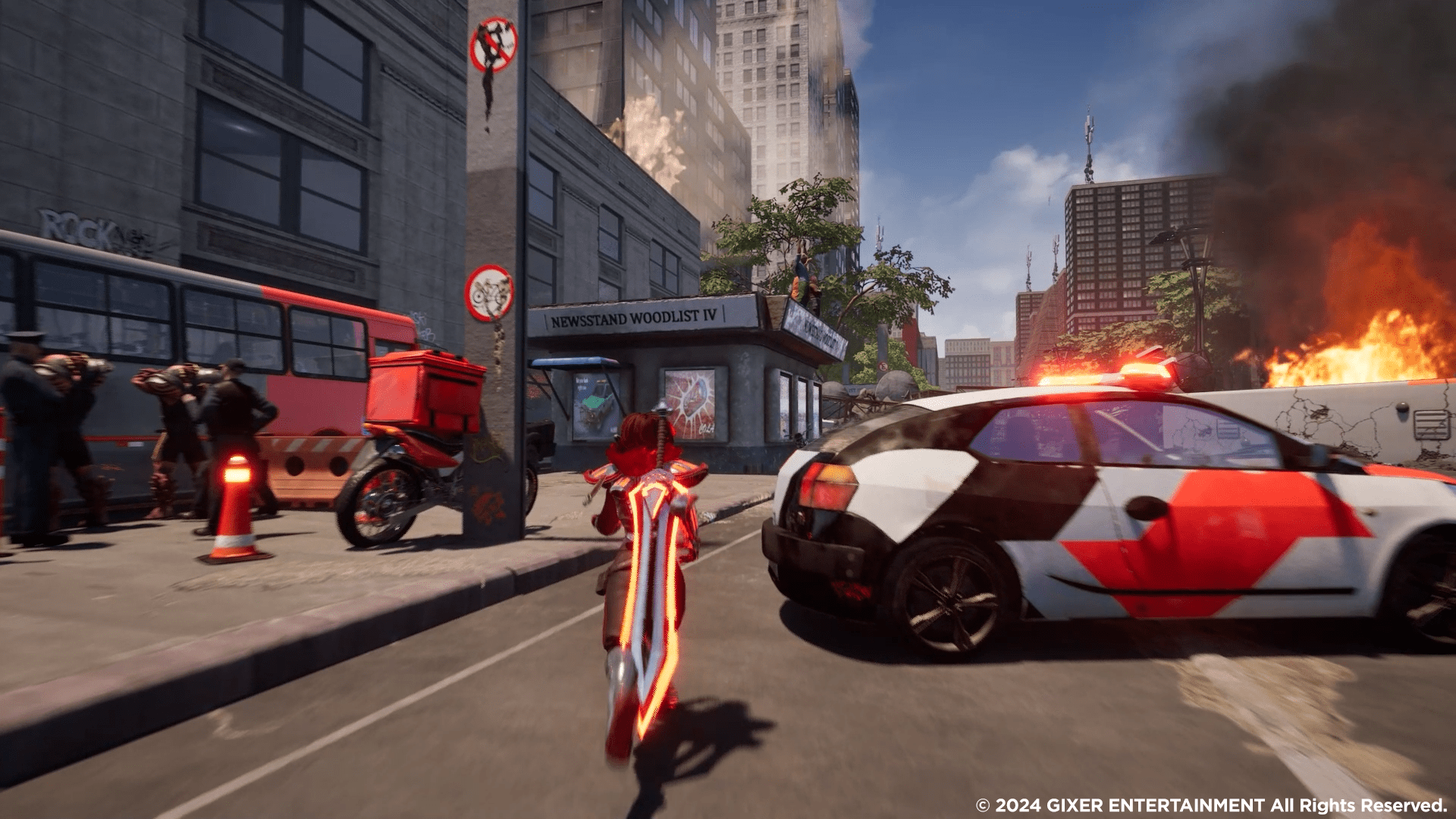
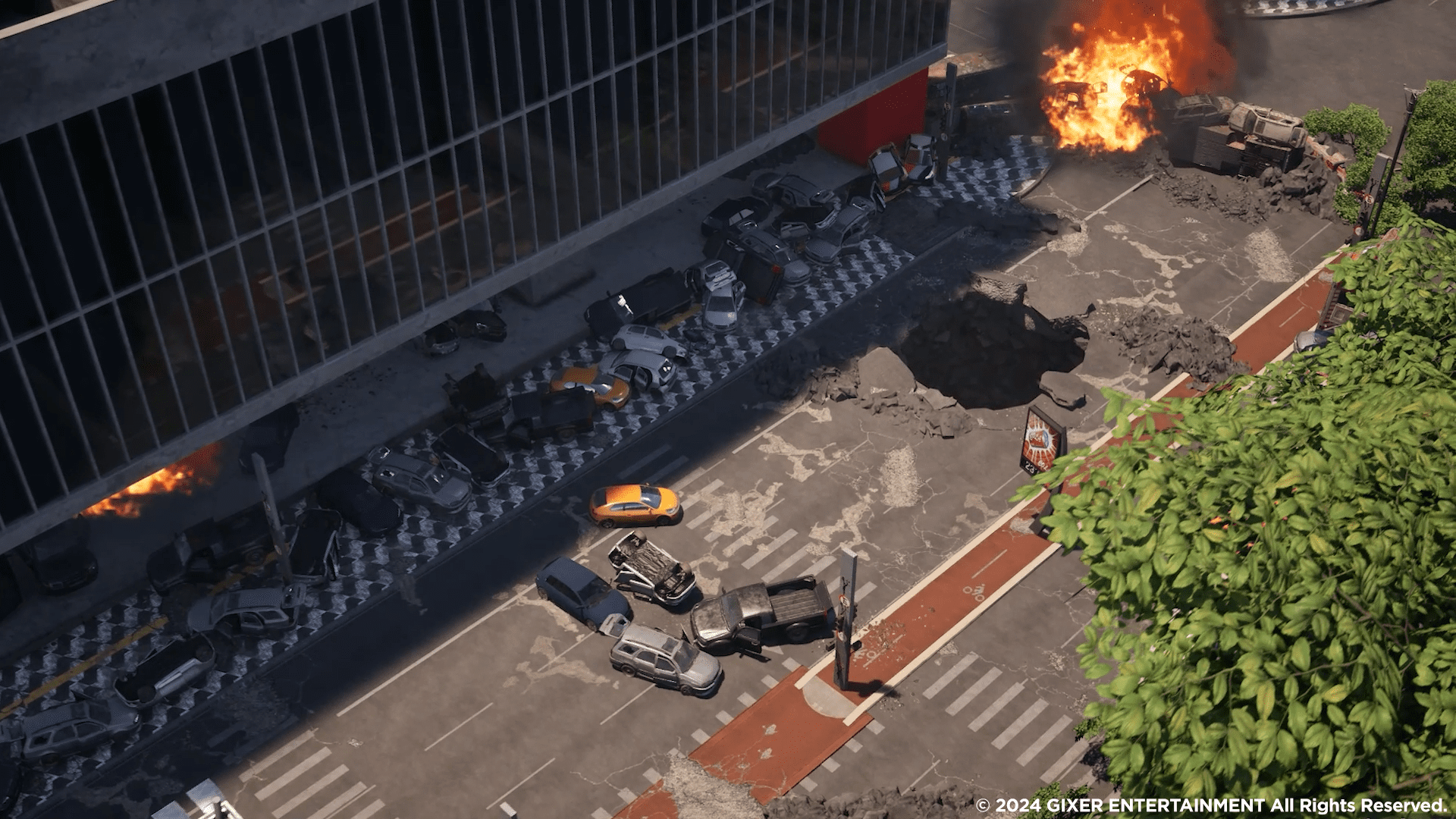
First and foremost, the context: Changer Seven is a 3D single-player action-adventure title where you, as part of a team, explore cities and urban landscapes, taking down invading monsters in order to free said cities and, with that, save humanity.
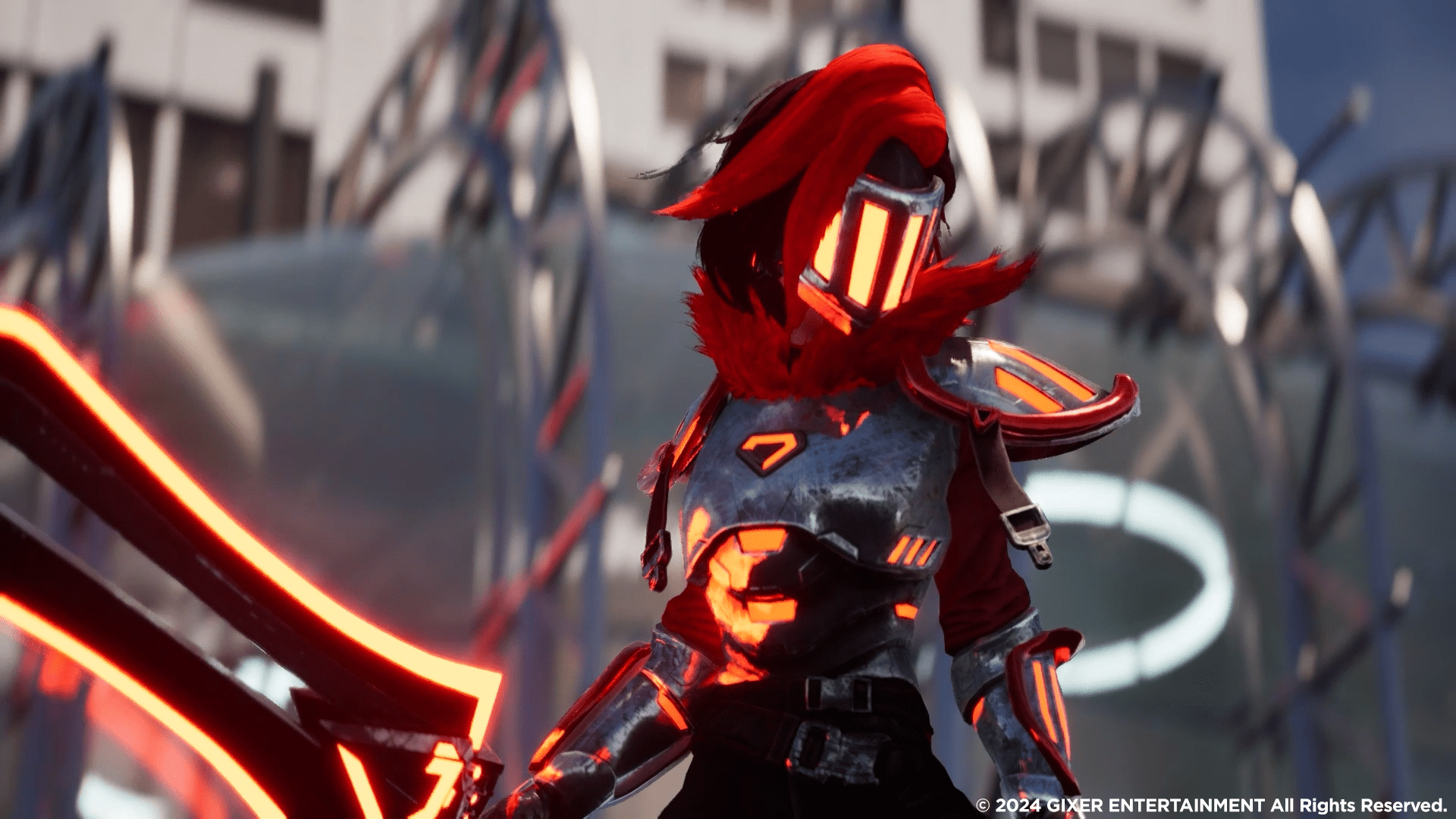
The simplistic outline is intentional: much of the game is based on super sentai shows team-effort-like shows such as Power Rangers, Flashman and Gokaiger — you know the type: a bunch of colored-dressed heroes take on demons/aliens/monsters of any kind that are invading a certain place and it befalls on them to defend said place for the sake of mankind.
Now, you’d be forgiven if you thought that, as an indie game with a simple premise like this, Changer Seven was your run-of-the-mill hack and slash where three levels in, you already know what to expect. Well, it might be, if you’re more experienced. But truth be told, Gixer Entertainment’s main project does go out of its way to implement a lot of modern conveniences we’ve come to expect at any given game — and that adds up to the gameplay, according to the media available.
“A big chunk of our team grew up watching these hero shows in the morning, even before Power Rangers came into the picture”, Juno tells me. “Brazil is home to the largest Japanese community outside of Japan, so our ‘cartoon mornings’ always had the same source: Jaspion, Flashman, Jiraya, Saint Seiya, Sailor Moon. We grew up on that mix of Japanese-American culture, with powerful openings and stories of courage and overcoming difficulties. At the same time, our cities, culture and humor never had anything relevant created within our own country: it’s like monsters always wanted to attack Tokyo or New York — who would protect us if São Paulo was the target?”
According to the studio’s head, this is the question he has pondered for over 20 years. He states that, as he waited for the answer himself (which never came), that’s where he came up with the concept behind Changer Seven. He calls it a “love letter to things that shaped our childhood”, while mixing that vibrant look with a more local flair, in order to generate a connection that allows fans from the tokusatsu genre to vibe with both sides.
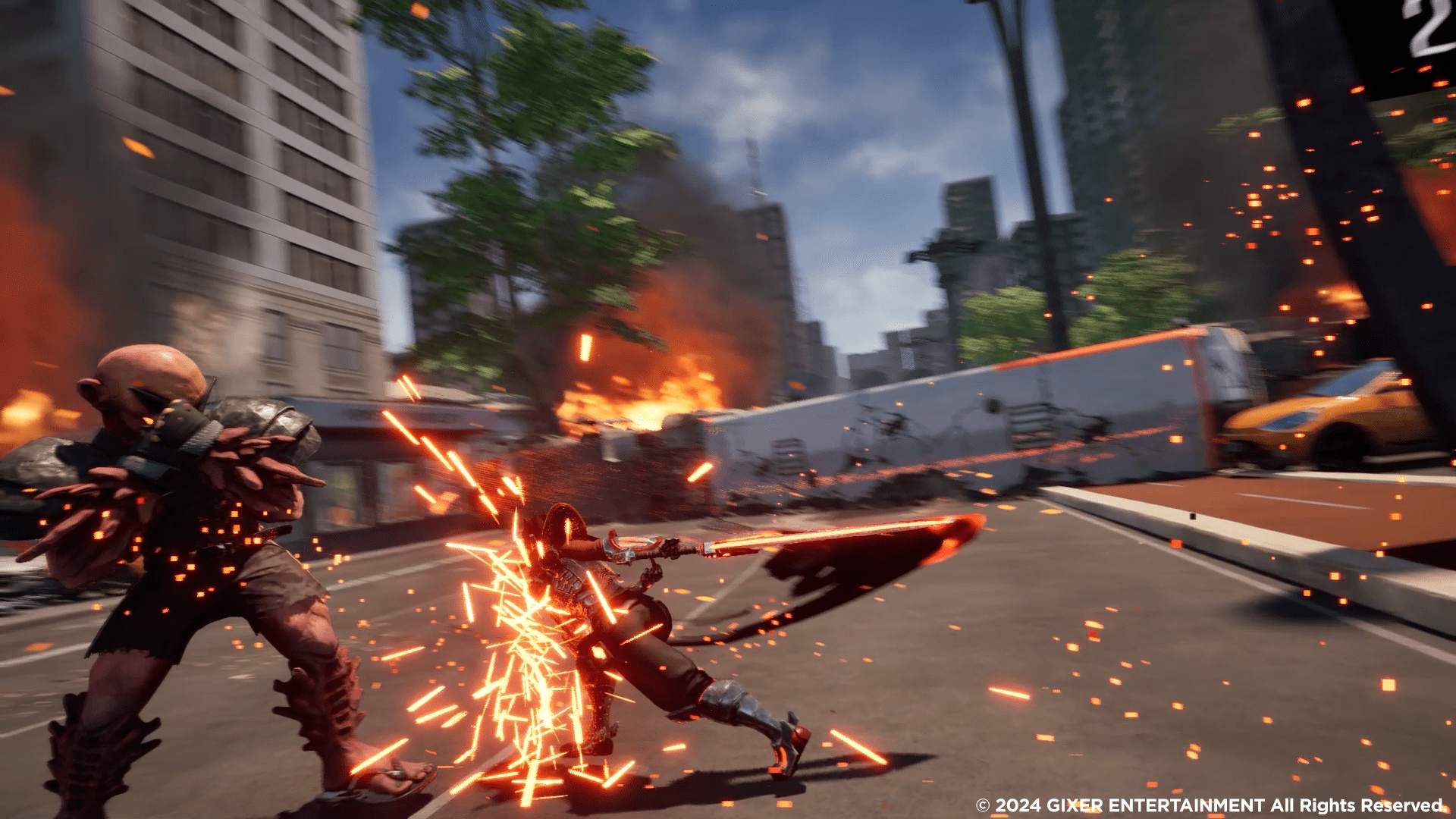
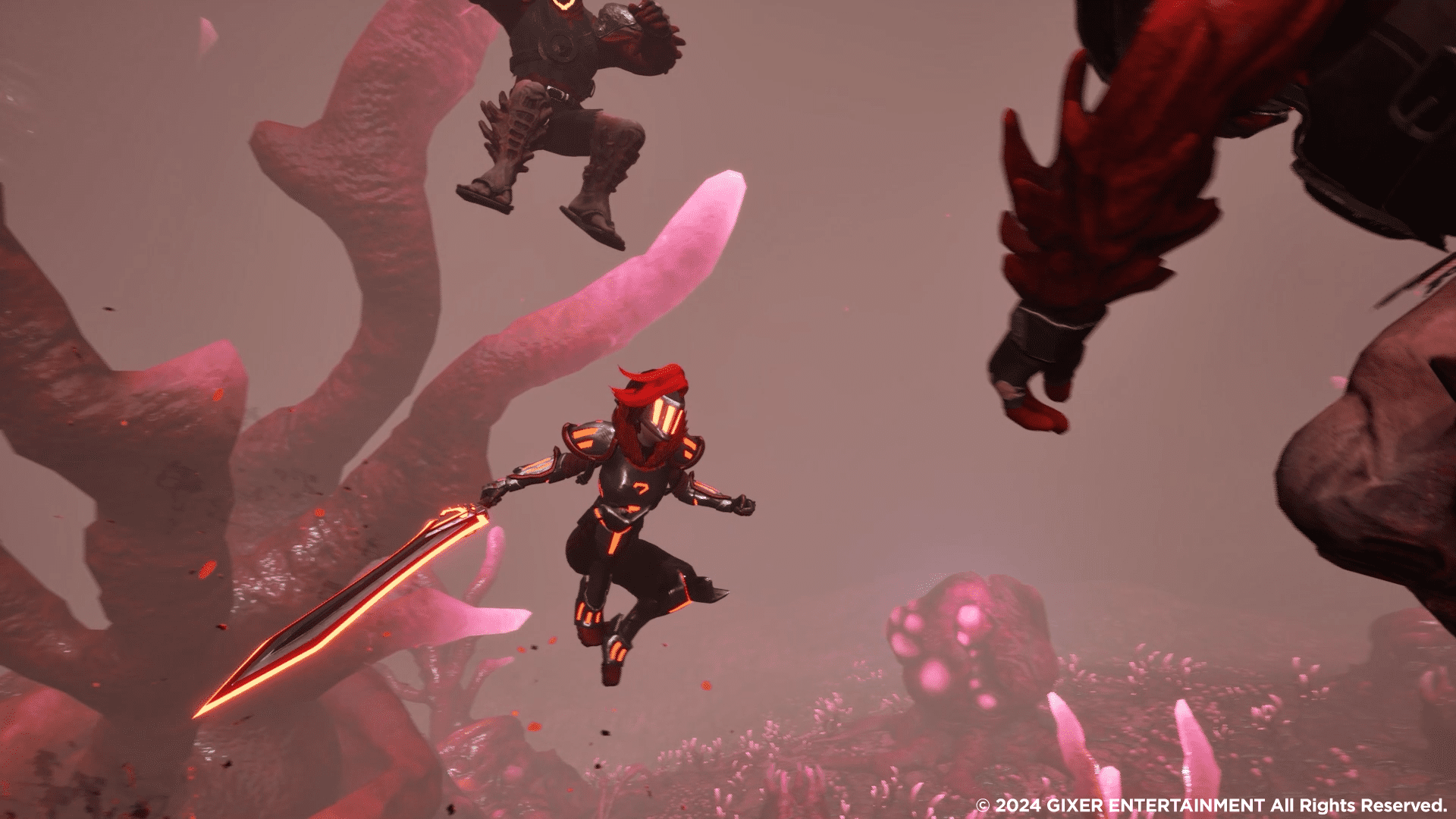
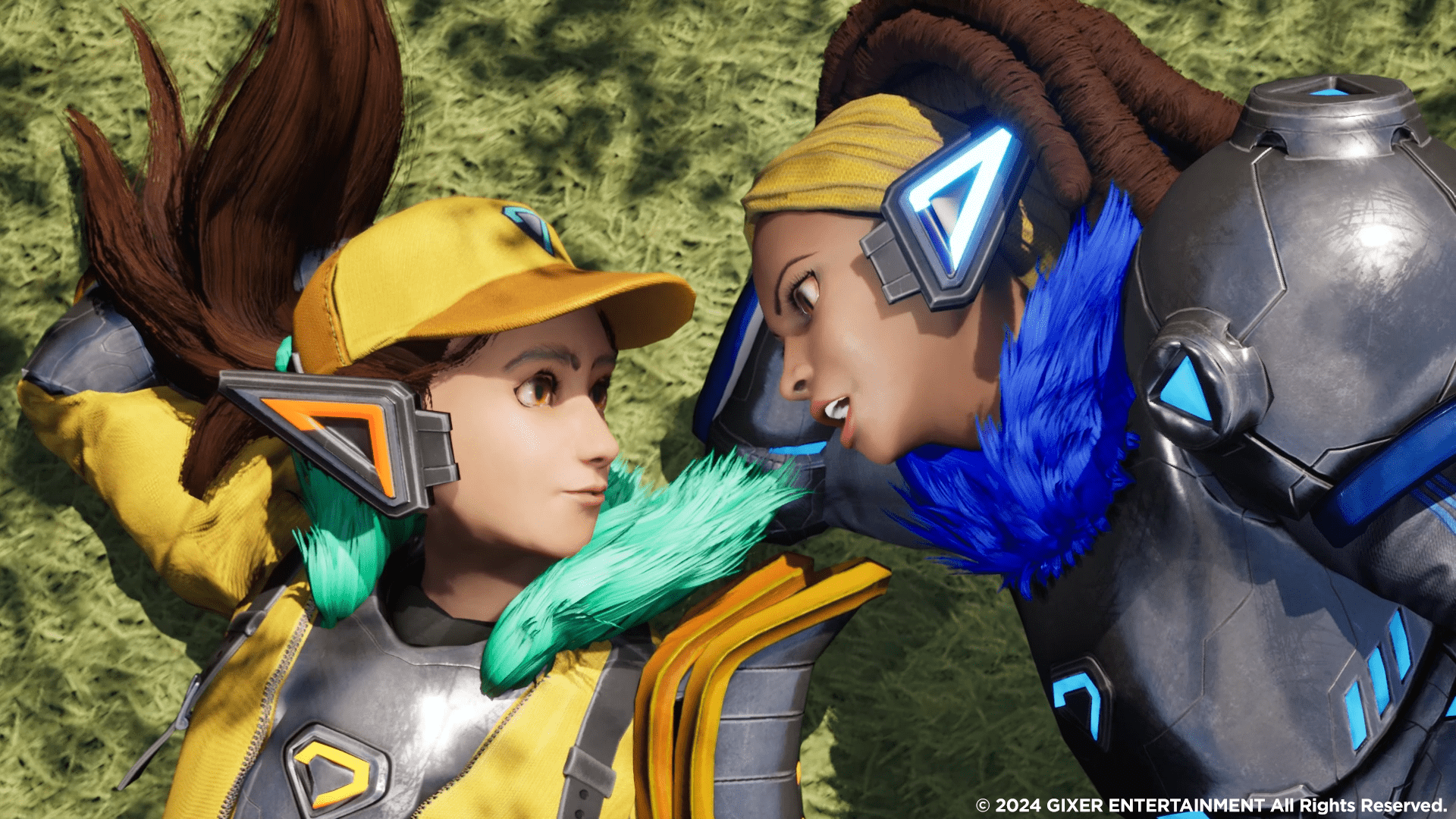
But why “20 years”? Well, that’s an easy answer to give: while not a perfectionist, Juno is very affectionate about the project. To him, it was also about having the right team, with the right experience, to imbue the proper mindset and ambition, but also temper all of that, finding the sweet spot between what they want to do, versus what they can do as an independent studio.
Remember, this is an indie endeavor, and Gixer Entertainment doesn’t have Electronic Arts levels of (now Saudi) money. Thus, the entire project relies on proper pairing passion and technical capacity with a lower budget.
“The biggest challenge was working with the hi-end and aim for modern-day platforms, which demands a lot of planning, focus and optimization. The most demanding part was motion capture, which is exactly the heart of any action game”, Juno states.
“In order to create a solid combat system, we had to comb over every little detail: combo timing, visual cues, movement wind up and windfall, the fluidity that makes all of that look natural for the player — you can have everything perfectly noted on a spreadsheet but that won’t do much if animation is not 100% in sync with that. So we tried everything, even animating each frame individually. But soon, it became clear that we needed to take a step further.
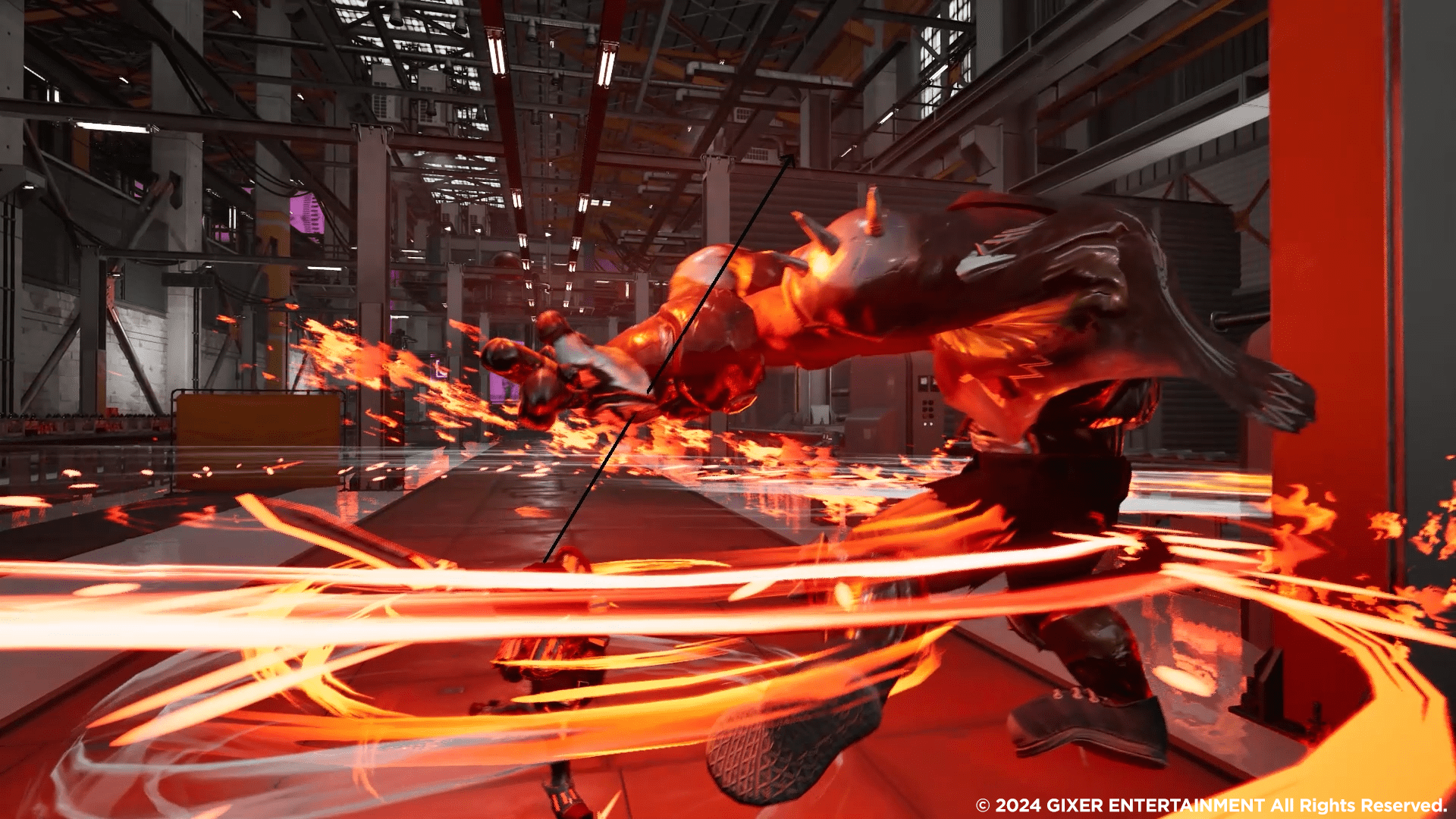

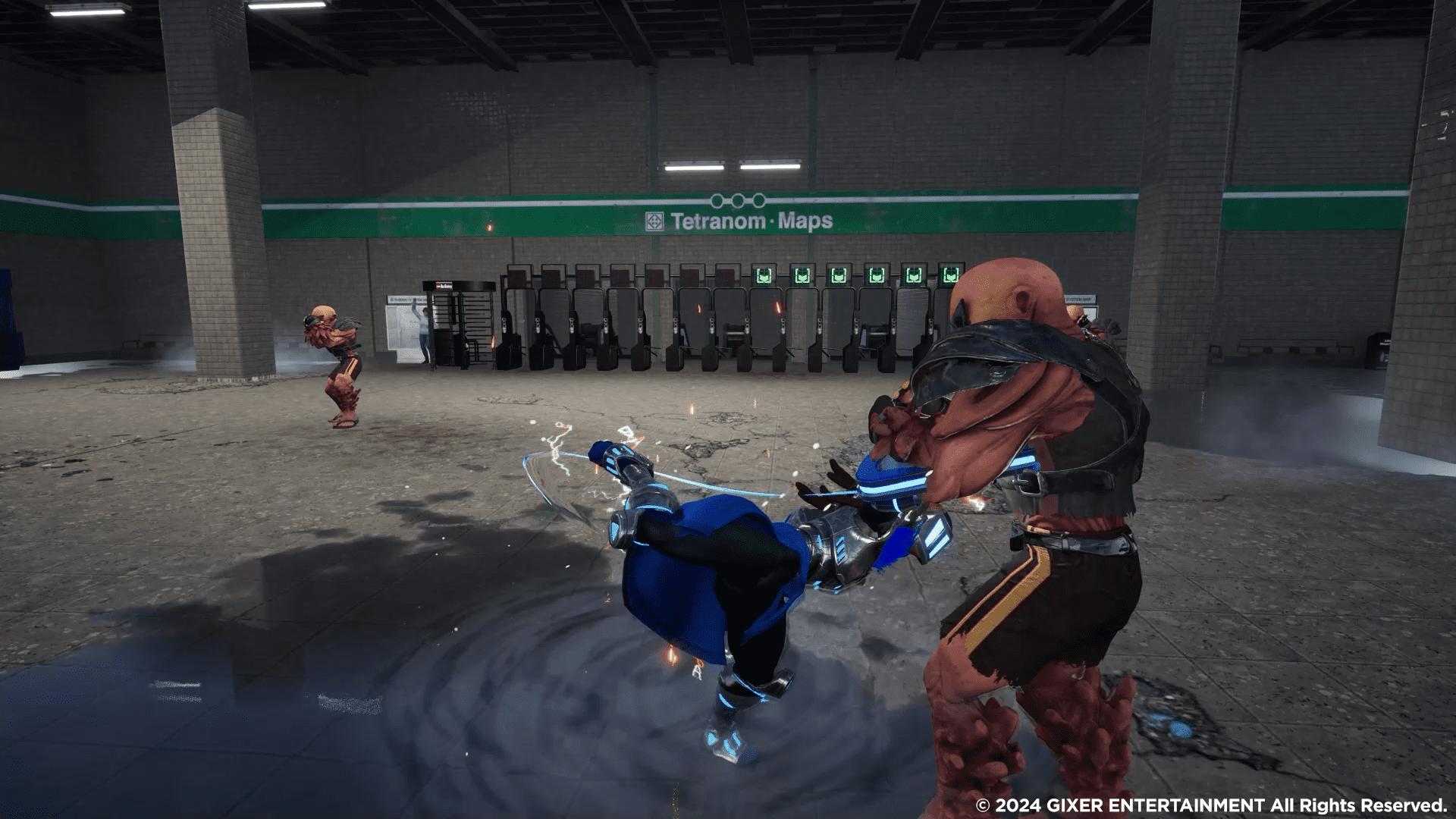
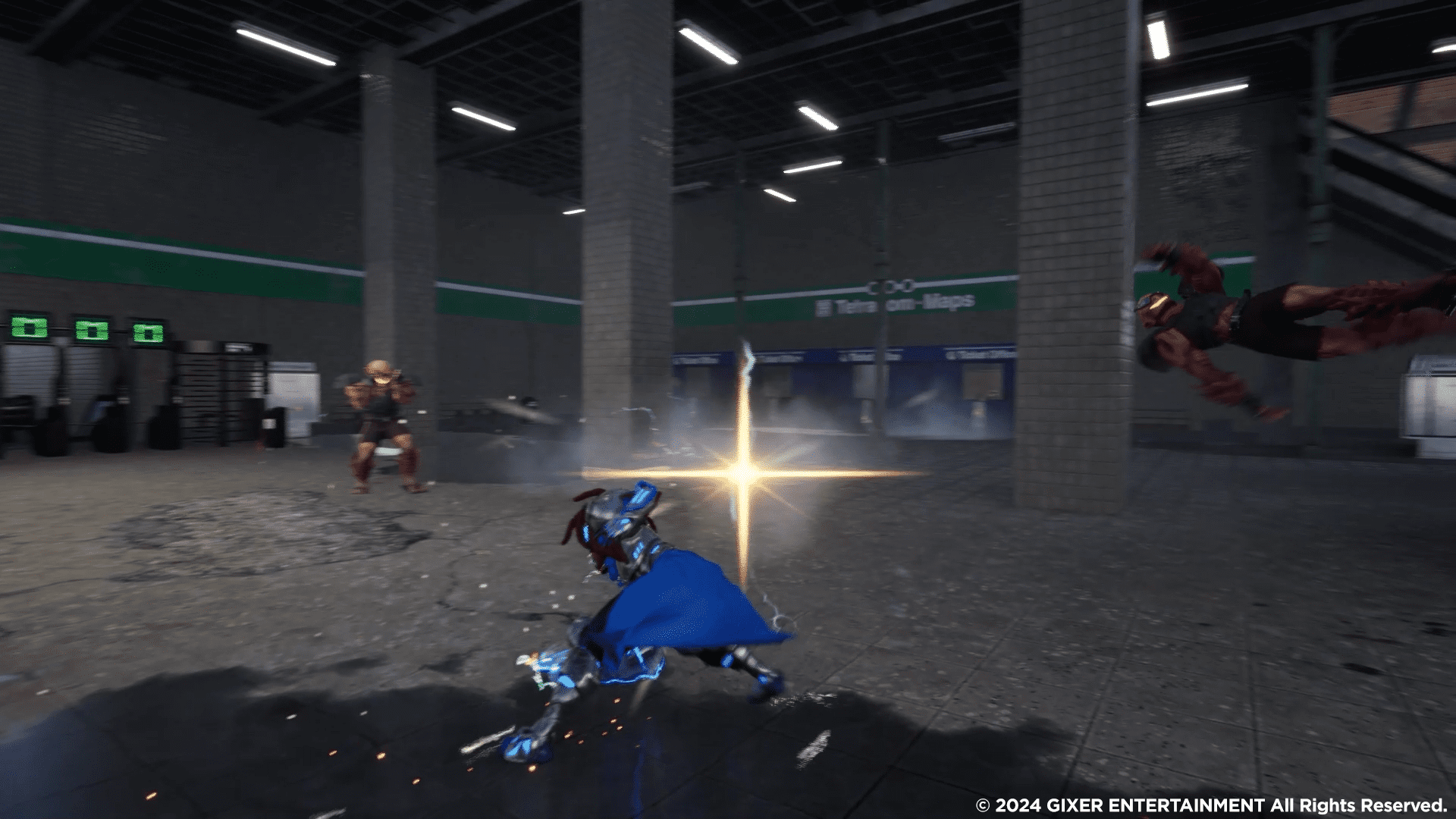
The “step” came in the form of Black House, a 2009, Brazilian-based VFX studio that, in Juno’s words, “boasts a motion capture studio with Hollywood standards”. One look at the company’s website and you can see they’re all about the serious business, signing off VFX works in movies such as “O Sequestro do Voo 375” (The Hijacking of Flight 375) as well as abstract animated commercials for snack companies such as Cheetos (from PepsiCo).
According to the Gixer Entertainment’s leader, they built a solid partnership over the years, which allowed them to rent the place for motion capture efforts towards Changer Seven — “when they weren’t filming longer, heavier stuff, that is”, Juno clarifies. “We were amazed by their technical prowess, their stunt doubles and actors and how they worked together well with the martial artists we brought in.”
The end result is one of a more “tailor-made” action project: in Changer Seven, every single “changer” (the heroes of the game, much like the “Rangers” in “Power Rangers”) has their own moves, mannerisms and personality, which adds to the authenticity of the gameplay.
And, to further drive this specific point home, enter Katsuhiro Harada — funny how my entire mission with this interview ended up becoming one or two paragraphs in a much larger story. Gixer’s announcement on the former Tekken director came at a recent event — Brazil’s Comic Con Experience, or CCXP — right at the same time Harada-san announced his departure from Bandai Namco.
And his experience got nothing but praise from the team at Gixer: “this partnership was a godsend!” — Juno excitedly states. “Harada-san is an industry legend, sure, but he’s, above all, a very generous man. His ‘Don’t Ask me for Sh#t’ mantra is part of what permeates his mythical status. He took an interest on the entire project and gave us a very valuable consultancy, making room on his busy schedule to see us. Especially when it comes to combat philosophy, rhythm and gameplay identity. While he’s not involved in the parallel media we have, he gave us a lot of insight on many aspects, from trailers, design and even business. To work with him means having a constant cultural exchange, where not only we learn a lot from him, but also show a lot about our culture and influence mix.”
Wait…what parallel media?
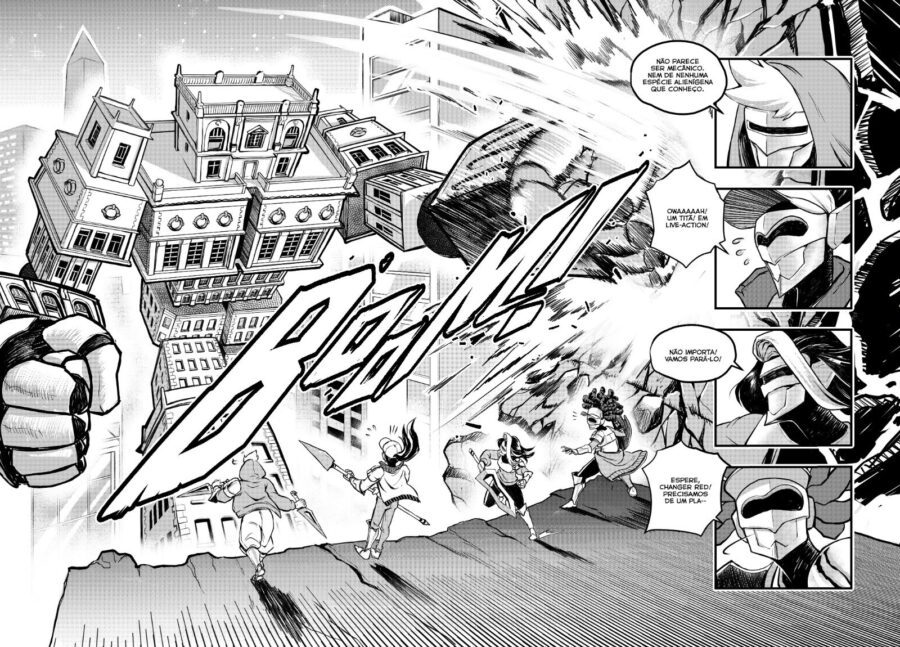
Oh, right. Yeah, Changer Seven is not just a game, as it also unfolds in manga format — and not “a manga of the game” type of production, but each having their own, separate-yet-complimentary, story. In fact, the Changer Seven manga is already on its fifth volume.
“It was born as an organic extension of what we were building in the game. We felt that there were a lot of stories that deserved another flow, another tempo, another format. We’re not trying to go all Marvel Cinematic Universe with movies and shows and animations and whatnot, but we are thinking of expanding the heart of Changer Seven’s universe where it needs or wants to go. This has brought us a larger narrative ecosystem, with room for a game, manga volumes, action figures and other media — even before the game comes out, we already have a tight-woven community of fans who are so in love with our characters, and longevity comes to this as a consequence.
“When you make something with layers upon layers of love, new doors will open up to you naturally.”
Juno Cecílio, CEO at Gixer Entertainment
All in all, Changer Seven is the type of project that can change the perception of indie games as something “minor”. Sadly, this is still a reality among certain aspects of the public — especially those who live only to see AAA titles with billionaire budgets and ignore everything else.
As it turns out, Juno also have his two cents on that: “‘Indie’ means ‘freedom’. It means being able to create something with your identity without letting go of ambition, skill and passion. Of course there is prejudice around the word itself, but we prefer to show its benefits through the fruits of our labor: we care for every system, every frame and animation, every detail and every plotline — when the player picks up the controller, they want to feel something real — that doesn’t come with studio size but with the heart you put on your project. Our job is to show that indie projects can also deliver something of a higher level. And if we’re still managing to bring this all out there without major funds, imagine what we would do with a few pennies more?”
Changer Seven has a 2026 release window, for PC (Steam and Epic Games Store), PlayStation 5 and Nintendo Switch 2.