
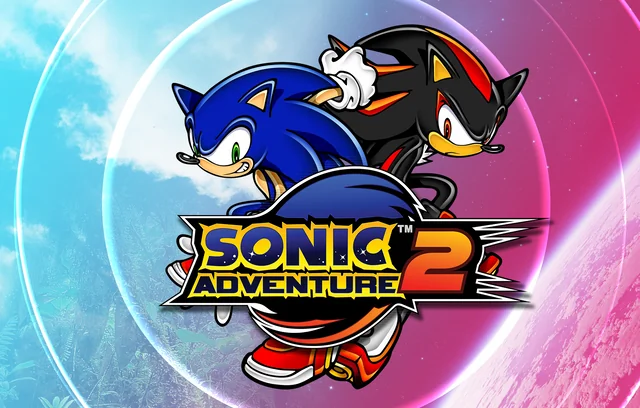
A Thrilling Ride of Highs and Lows
Few games in the Sonic the Hedgehog franchise spark as much debate as Sonic Adventure 2. Released originally for the Sega Dreamcast in 2001, this title represents both the series’ creative ambition and its struggle to balance story, gameplay, and tone. For fans of classic platformers and speed-based action, it’s a fascinating, if uneven, experience that shows the blue blur at a critical turning point in gaming history.
The Dreamcast Era and Sonic’s Identity Crisis
By the time Sonic Adventure 2 arrived, Sega was already facing tough competition. The Dreamcast was innovative but short-lived, and Sonic’s identity was shifting from simple platforming hero to story-driven protagonist. The game’s narrative opens dramatically: Sonic Adventure is framed for crimes he didn’t commit and hunted by the military. The real culprit? Shadow the Hedgehog — a mysterious new rival with a dark backstory.
While earlier Sonic the Hedgehog titles focused on colorful action and defeating Dr. Robotnik (not “Eggman” for purists), Sonic Adventure 2 tries to weave in themes of tragedy, loss, and moral complexity. Unfortunately, this emotional storytelling doesn’t land smoothly. Shadow’s melodramatic relationship with a human girl named Maria feels out of place in what’s essentially a high-speed platformer.
Gameplay Breakdown: Three Play Styles, Uneven Results
Sonic and Shadow Stages
These are the heart of the game. Fast-paced obstacle courses full of loops, rails, and ramps capture the energy fans expect from Sonic. The level design shines brightest in City Escape — one of the most iconic openings in gaming history — blending tight control, catchy music, and adrenaline-pumping action. Sadly, this level sets a bar the rest of the game struggles to meet.
Tails and Dr. Robotnik Stages
Switching to mech-style combat, these stages slow the pace dramatically. Robotnik’s mechanical gameplay makes thematic sense, but Tails’ inclusion in a bulky machine feels odd given his ability to fly and run at Sonic’s speed. These missions are serviceable but become repetitive fast, and the targeting beep can get painfully irritating.
Knuckles and Rouge Treasure Hunts
This is where the experience falters. Searching for Chaos Emerald shards in large, confusing levels quickly turns into frustration, thanks to a broken radar system that only detects one shard at a time. Even patient players often find these stages exhausting rather than engaging.
Soundtrack and Audio: The True Standout
If there’s one area where Sonic Adventure 2 truly excels, it’s the soundtrack. Songs like Escape From the City, Live and Learn, and Pumpkin Hill are still celebrated today. The music blends rock, funk, and hip-hop, perfectly matching the game’s urban aesthetic and fast energy.
Unfortunately, the voice acting and sound mixing undermine this brilliance. Dialogue often clashes with background tracks, and characters sometimes talk over each other, making scenes feel messy and rushed.
The Chao Garden: A Hidden Gem of Fun
Beyond the main campaign lies the beloved Chao Garden — a digital pet simulator where players can raise, train, and race cute creatures called Chao. This mini-game unexpectedly became one of the game’s most enduring features. Fans still discuss their favorite Chao types online, and its peaceful, nurturing gameplay contrasts beautifully with the chaos of the main story.
For fans wanting to relive this feature, Sega’s official channels and fan projects like the Chao Island Wiki keep the legacy alive.
Visuals and Technical Performance
For its time, Sonic Adventure 2 looked impressive. Smooth animations, detailed 3D environments, and expressive character models gave the Dreamcast a showcase title. However, revisiting it today exposes noticeable aging — awkward camera angles, stiff lip-syncing, and collision issues can make even simple levels frustrating.
Modern ports, such as Sonic Adventure 2: Battle on GameCube and the HD re-release on Steam, help polish some edges but can’t fully mask the early 2000s design flaws.
Overall Verdict
Sonic Adventure 2 is a mixed but memorable chapter in the franchise. Its best moments — the high-speed stages, legendary soundtrack, and addictive Chao Garden — remind players why Sonic captured hearts in the first place. But clunky controls, uneven pacing, and awkward storytelling keep it from true greatness.
Verdict: 6/10
If you revisit it, stick to the Sonic and Shadow stages and the Chao Garden — they’re where the magic still shines.
FAQs About Sonic Adventure 2
Q1: Is Sonic Adventure 2 worth playing today?
Yes, for nostalgia and the fast-paced Sonic and Shadow stages. It’s rough around the edges but still fun for fans of 3D platformers.
Q2: What’s the difference between Sonic Adventure and Sonic Adventure 2?
The sequel improves level structure and introduces playable villains like Shadow and Robotnik but loses some of the original’s charm.
Q3: Why do fans love the Chao Garden so much?
It’s a relaxing side activity with surprising depth — you can raise unique Chao, influence their traits, and compete in mini-games.
Q4: Where can I play Sonic Adventure 2 now?
The HD version is available on Steam, PlayStation Store, and Xbox Marketplace, making it accessible to modern players.