
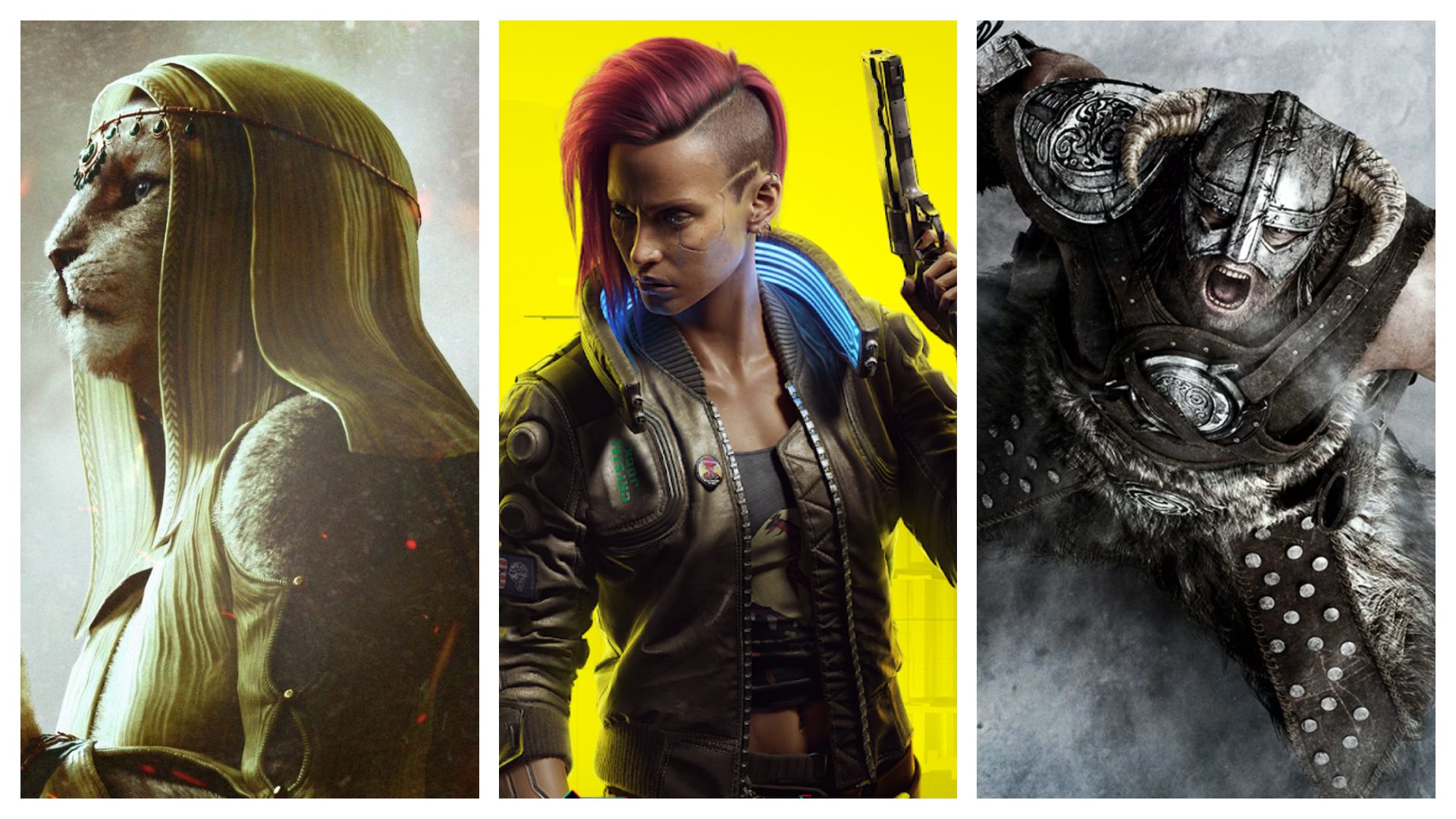
Despite the modern-day acceptance of new gameplay elements in the genre, the classic, open-world, solo-traversing RPG is still a major draw in gaming. Titles that offer endless hours of exploration, with side quests to keep you occupied for days, are often paired with excellent writing and compelling storylines, making them truly epic pieces of digital literature.
Not only that, but the sheer scale of these works has also found its way outside of gaming. Most universities in Warsaw use The Witcher franchise to teach storytelling and structural literature, and James Paul Gee, one of the most prolific contemporary linguists, is a pioneer in using video games as a teaching tool for learning new languages. Recently, a school teacher in Brazil even went viral for using Assassin’s Creed Syndicate to teach 8th-grade students about the Industrial Revolution.
The point is that open-world RPGs offer not only long-term entertainment but also the chance for personal growth. And within this genre, there are titles that stand above the rest. So join us as we list, from “best to bestest,” our top 10 open-world solo RPGs of all time.
10. Fallout: New Vegas
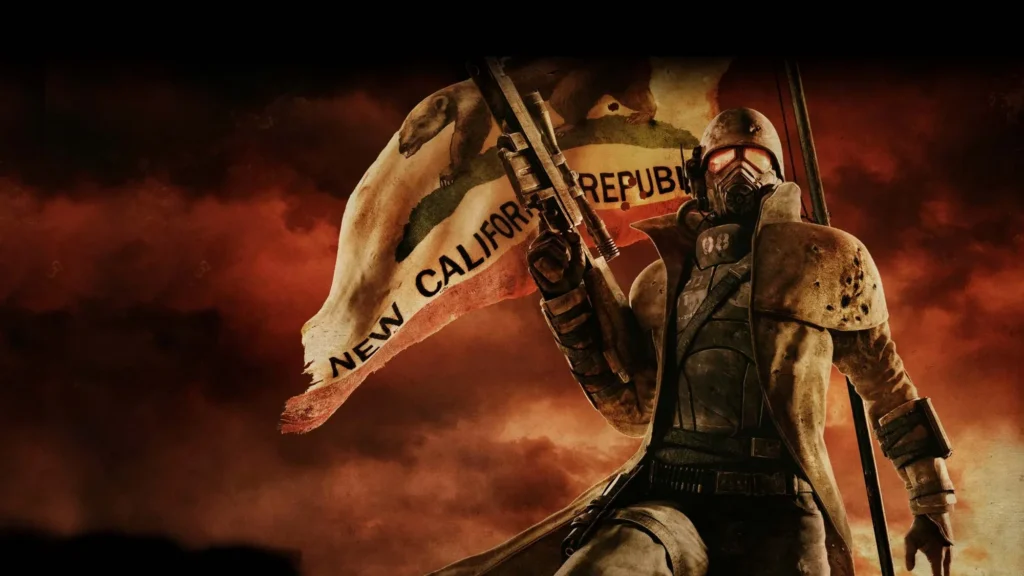
One of Bethesda’s most beloved games, Fallout: New Vegas stands out in the RPG genre primarily because it trusts the player with significant narrative freedom and complex moral choices. The game places you in the Mojave Wasteland, where you must navigate a web of conflicting factions like the New California Republic and Caesar’s Legion. Every interaction is backed by exceptional writing and branching dialogue that ensures your decisions have visible, long-lasting consequences.
The game is incredibly reactive, allowing you to solve problems through diplomacy, stealth, or brute force depending on your build. It avoids simple good-versus-evil tropes in favor of a politically charged atmosphere where every choice ripples through the world, making it a deeply personal experience.
Despite being loved by the community even 16 years after its 2010 release, its technical instability and aging engine held it back. Combat was clunky, and numerous bugs affected the experience, many of which were later addressed by the community. Even so, it remains widely available today, including on modern Xbox systems, despite originally launching on PlayStation 3, PC, and Xbox 360.
9. Dragon’s Dogma 2
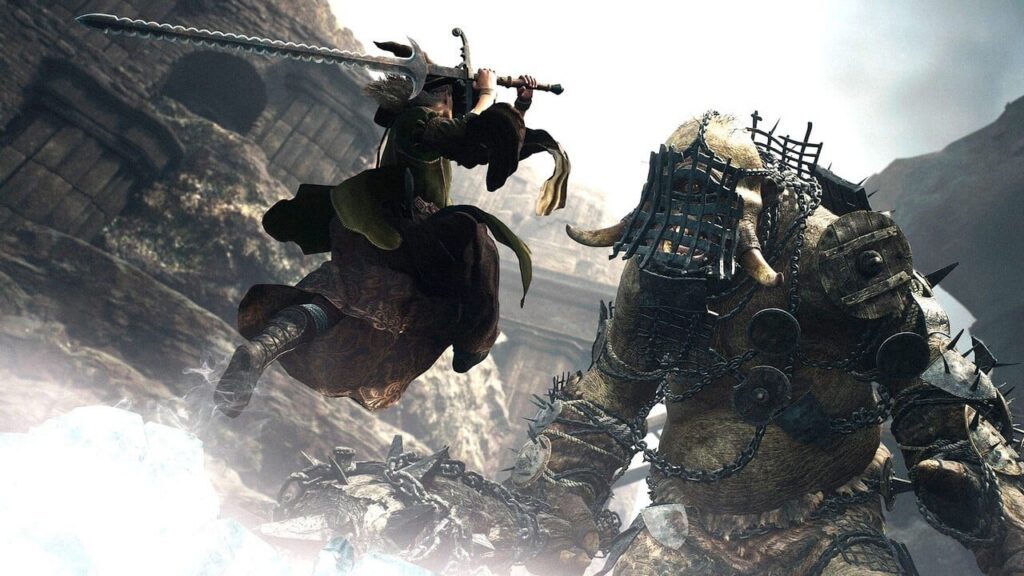
Capcom’s bold take on the action RPG genre paid off with the original Dragon’s Dogma in 2012, and everything that made it great was expanded upon in Dragon’s Dogma 2 in 2024.
Released on current-generation consoles and PC, the game delivers a sense of unpredictable adventure through dynamic systems that interact in unexpected ways. Combat is physical and engaging, allowing you to climb massive enemies like griffins and ogres to strike weak points. It excels at creating memorable, unscripted moments that redefine your journey.
Its standout feature is the Pawn system, which introduces AI companions that learn from other players’ worlds and return with knowledge, loot, and strategies. Combined with a flexible class system, it offers a level of tactical variety rarely seen in solo RPGs. However, technical issues and divisive design choices, such as camera management and uneven performance, hold it back. Limited fast travel and strict save systems can also feel frustrating for some players.
8. Kingdom Come: Deliverance II
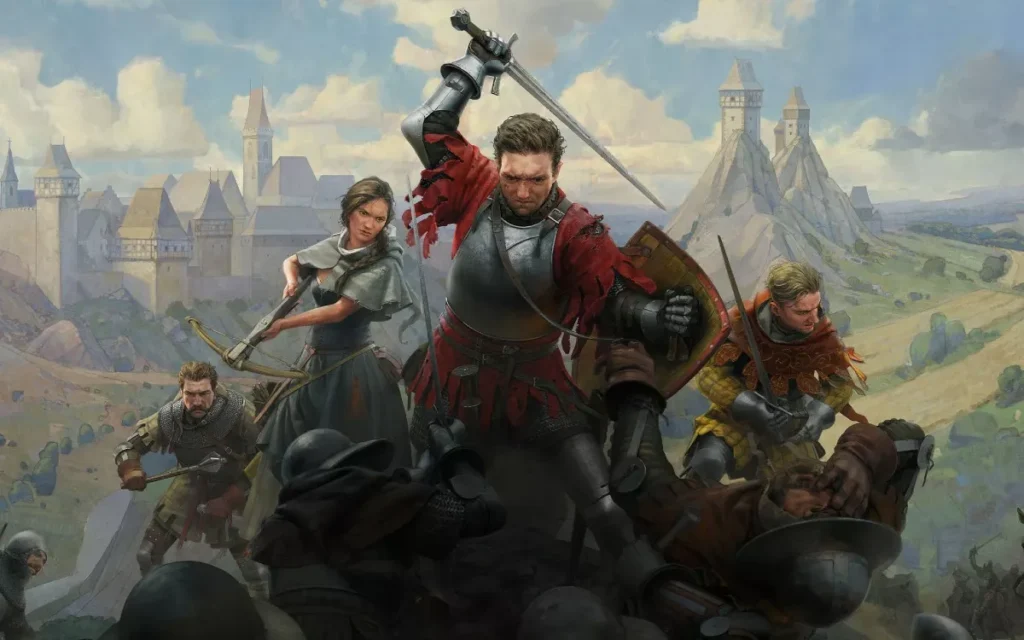
When it comes to full historical immersion, 2025’s Kingdom Come: Deliverance II is, well, king. A masterclass in storytelling, the game offers a realistic depiction of 15th-century Bohemia without any fantasy elements. You play as Henry, a blacksmith’s son, and your growth from an illiterate peasant to a skilled warrior feels entirely earned through practice and persistence. The game world is highly reactive, with NPCs remembering your crimes and responding to your hygiene, clothing, and social standing.
The differential factor here is the commitment to grounded simulation, where basic tasks like reading or combat require genuine player skill and practice. This gives the game a reality-based focus, as this is not the type of experience where you’ll be throwing magical fireballs out of your mouth. Oh no: the combat system here is technical and stamina-based, making every sword fight feel like a high-stakes duel rather than a simple hack-and-slash encounter. Because of this, each enemy encounter is an accomplishment in victory, be it on PS5, Xbox Series S/X, or PC.
However, its high barrier to entry and steep learning curve keep it at the eighth position. The lack of a traditional “power fantasy” and the requirement to manage mundane needs like hunger and sleep may not appeal to a broad audience. Some players may also find the technical demands of the combat and save systems to be more of a hurdle than an enhancement to the gameplay.
In short, this is not a game for anyone starting in the genre.
7. Cyberpunk 2077
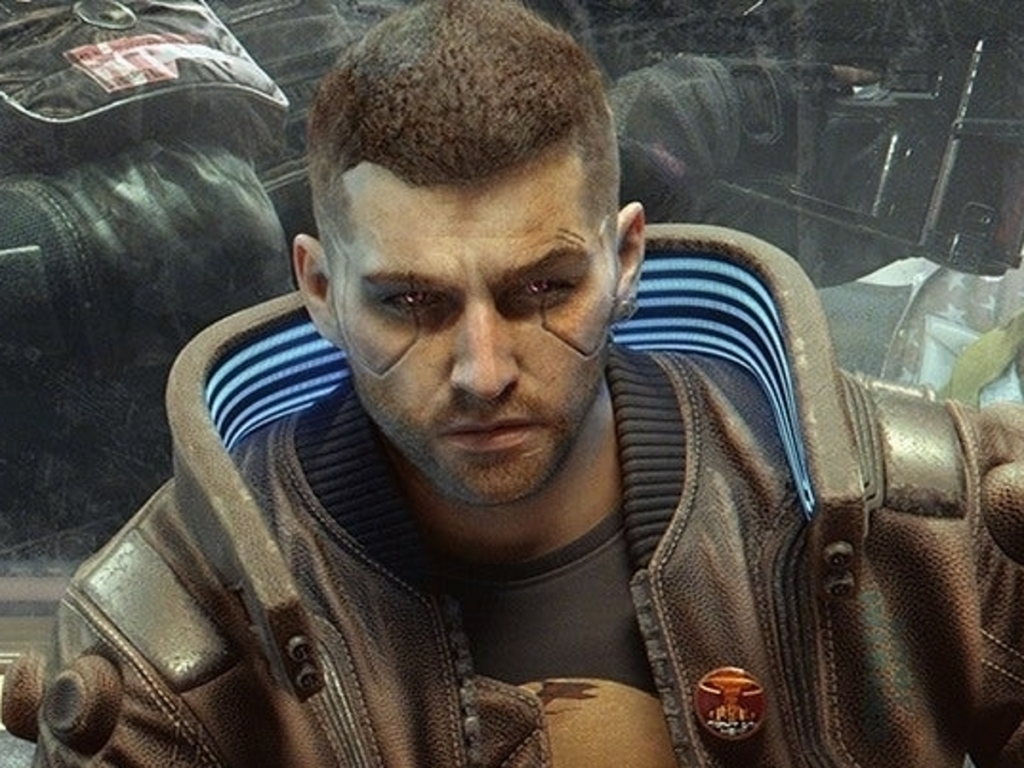
Cyberpunk 2077 is probably the gaming industry’s best “rags-to-riches” success case, as at the time of its release in 2020, the game was so chock-full of bugs that Sony even pulled it from the PlayStation Store completely. CD Projekt Red took that feedback to heart, reworking the game almost from the ground up and delivering what it was always meant to be: one of the best RPGs of all time, getting re-releases on several platforms, from PS4, PS5, and PC, as well as the Xbox family and even Nintendo Switch.
This game ditches the medieval fantasy aspect in favor of a futuristic, yet decadent, metropolis called Night City. In what is probably one of the most immersive world experiences to date, Cyberpunk 2077 features a breathtakingly detailed vertical city that feels like a living, breathing environment. It is also packed with lore and high-quality side missions that often outshine the main plot. The game excels at delivering an intimate, character-driven story about survival and legacy in a dystopian future.
Cyberpunk’s primary differential is the incredible breadth of character customization and build variety. Whether you choose to be a stealthy netrunner, a sword-wielding solo, or a heavily armored, gun-toting tank, the gameplay feels responsive and tailored to your style. The addition of the Phantom Liberty expansion and major systemic overhauls has solidified its place as a top-tier action RPG.
It ranks seventh because, despite its massive improvements, minor technical issues and a somewhat linear main narrative still exist. While the world is visually unrivaled, some open-world activities can feel repetitive, and the core story lacks the extreme branching paths found in games higher on this list. It is a fantastic cinematic experience, but it occasionally prioritizes spectacle over pure role-playing depth.
6. Red Dead Redemption 2
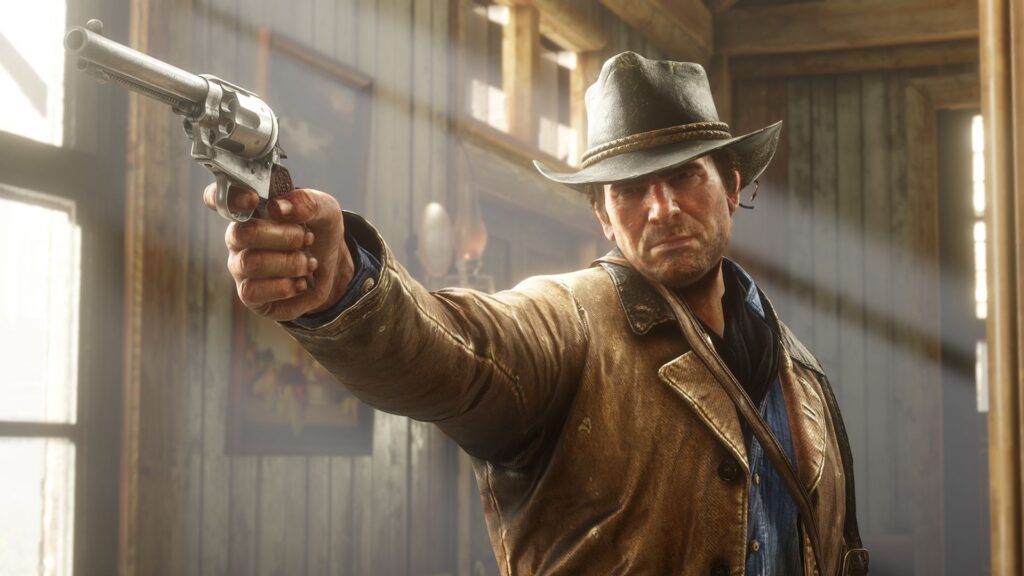
Despite being mostly known for its action elements, it’s undeniable that Red Dead Redemption 2 is also an RPG, due to the sheer size of its world, the high volume of dense side quests (some even outshining the main story), and the game’s dialogue full of moral dilemmas and long-lasting choices—even more so than some 2025/2026 games, which is a powerful statement considering Rockstar Games released RDR2 in 2018.
The game offers what is arguably the most realistic and detailed open world ever created, with every aspect designed for total immersion, from the way NPCs follow their own daily schedules to the reactive nature of the environment, where your horse needs grooming and your campmates remember your contributions. It provides a hauntingly beautiful depiction of the dying American West, where the world itself feels like a living character.
The differentiator for this title is the incredible emotional weight of its narrative and the character arc of Arthur Morgan. It is a tragic, deeply personal story about loyalty and change, delivered with a cinematic quality that few other games in history have achieved. The game rewards a slow, deliberate pace, encouraging players to live in its world—fishing, hunting, and exploring—rather than just rushing from one quest marker to the next.
Its position in our ranking is a result of that same deliberate pace, which some players find tedious or overly restrictive. The commitment to realism means that animations can feel slow, and the control scheme can be cumbersome for those used to faster action RPGs (especially on PS4 and Xbox One, though PS5, PC, and Xbox Series S/X have improved this). While it is a landmark achievement in immersion and storytelling, its rigid mission structures can occasionally clash with the freedom usually expected in top-ranked open-world RPGs.
5. The Elder Scrolls V: Skyrim
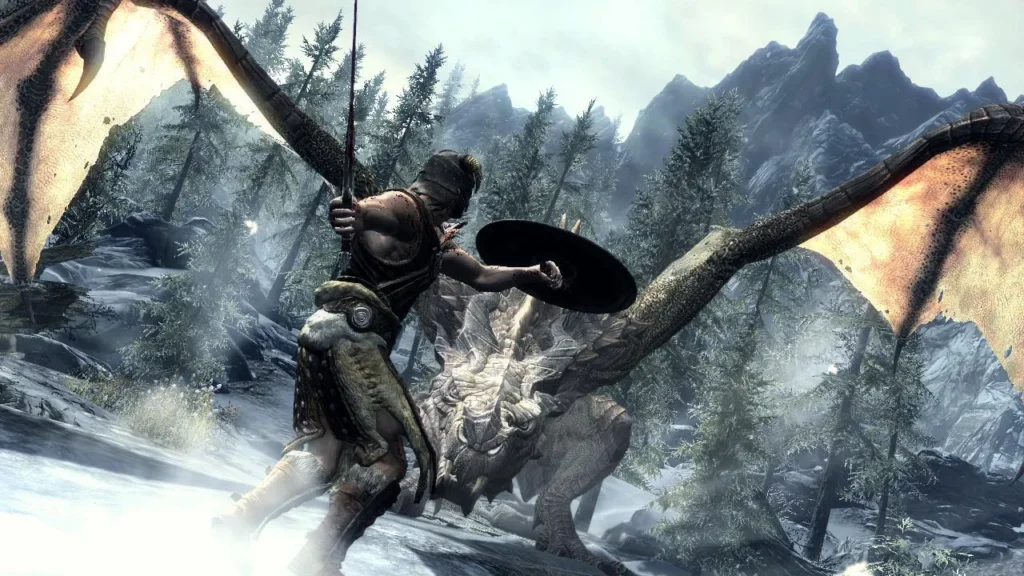
Fifteen years and eight platforms after its release (2011, on PC, PlayStation 3, PlayStation 4, PlayStation 5, Xbox 360, Xbox One, Xbox Series X/S, and Nintendo Switch, for those keeping track), Skyrim remains a legend in the genre because it provides an open-ended structure that respects the player’s desire to wander. You are dropped into a massive world as a blank slate, free to ignore the main quest and define your own destiny as a thief, mage, or simple adventurer. The sheer density of its world ensures that every direction you walk leads to a new dungeon, faction, or hidden story.
Not only that, but even side quests feel like main stories, given their profound depth and writing. Pretty soon, you’ll forget you’re supposed to stop the return of dragons to the land in favor of becoming a headmaster or a family man, for instance.
The game’s greatest differential is its unprecedented longevity and the support of a massive modding community. While not the first to do so, Skyrim is often recognized as the title that made Bethesda fully embrace modding. Modern editions even feature an in-game interface specifically for that purpose across all platforms.
It also excels at environmental storytelling and provides a sandbox where the player’s curiosity is always rewarded with meaningful discovery. Even years after release, its wintry landscapes and sense of boundless adventure continue to set the standard for open-world freedom.
Its fifth-place position is due to its clearly dated combat mechanics and technical limitations. Melee combat lacks the tactical depth found in more modern titles, and NPC interactions can feel stiff compared to newer standards. While it offers unmatched freedom, it lacks the narrative polish and complex consequence systems found in the top three games.
4. The Legend of Zelda: Breath of the Wild
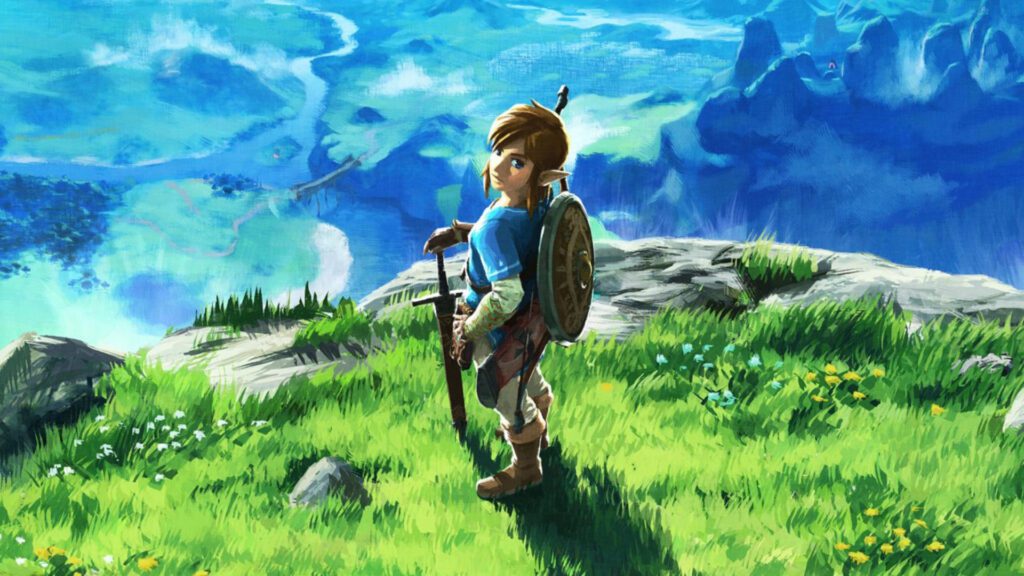
2017’s The Legend of Zelda: Breath of the Wild redefined the open-world genre by placing a pure, unguided sense of discovery at its center. It treats the world of Hyrule not just as a map to be cleared, but as a giant, physics-driven puzzle where players are given the tools to solve problems in organic and creative ways. Whether you are using a thunderstorm to strike an enemy or gliding off a peak to reach a distant shrine, the game rewards your curiosity at every turn.
The differentiator for this title is its absolute commitment to player freedom and the lack of handholding. From the moment you leave the starting area, every landmark you see is reachable, and you can even head straight to the final boss if you feel prepared enough. This creates a sense of wonder and mystery that is rarely rivaled, as the game world feels truly alive and responsive to the player’s ingenuity. Furthermore, Nintendo managed to overcome a nearly impossible task of making the game look amazing across all its platforms of release—the Switch, Switch 2, and the Wii U before them.
Where it falls short of the top three is in its departure from traditional RPG depth, specifically regarding character stats and narrative branching. The story is relatively light and told through flashbacks, which may not satisfy those looking for a deep, character-driven experience. Additionally, the controversial weapon durability system and the repetitive nature of some shrines can occasionally frustrate players looking for a more traditional progression loop.
3. Elden Ring
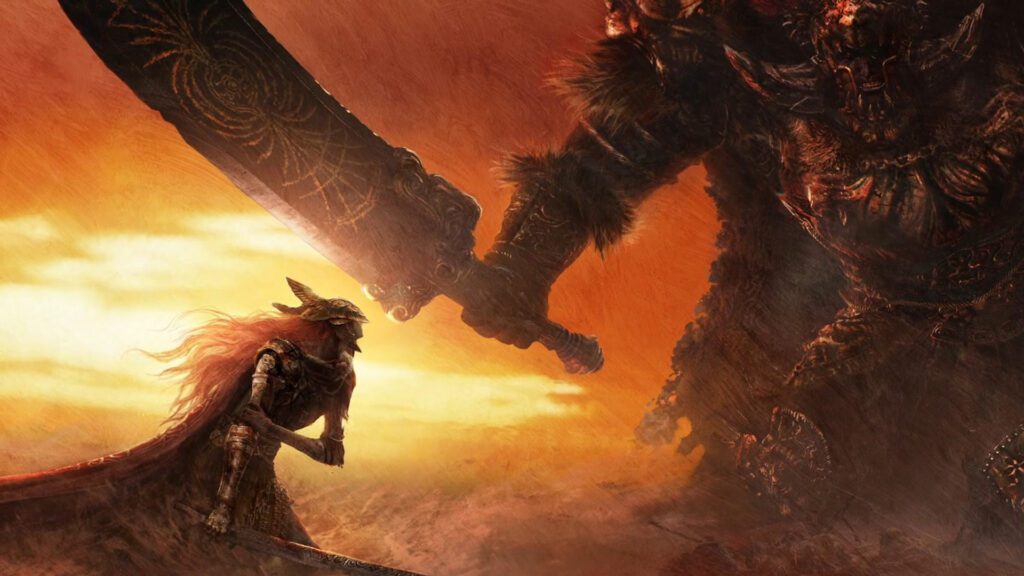
Ever since its release in 2022, Elden Ring has been hailed as a masterclass in open-world design, merging challenging combat with a world that encourages pure exploration without handholding. The Lands Between is a visually striking environment where every landmark hides a secret dungeon, a formidable boss, or mysterious lore. It treats exploration as a dialogue between the player and the world, rewarding those who venture off the beaten path with unique gear and experiences, be it on PlayStation 4, PlayStation 5, PC, Xbox One, or Xbox Series X/S.
The primary differential in Elden Ring is its fair but brutal combat system, which offers an incredible array of spells, weapons, and builds. It successfully creates a sense of accomplishment by allowing you to overcome immense difficulty through strategy and experimentation. The world-building is also exceptionally deep, told through environmental details and cryptic item descriptions that invite the player to piece the story together.
It sits in third place because its high difficulty and opaque narrative can be a significant barrier for some players. The lack of a direct, character-driven story can sometimes leave the experience feeling less emotionally resonant than a traditional RPG. Additionally, the sheer scale and lack of direction can occasionally lead players to feel overwhelmed or lost in its vast, punishing world.
2. The Witcher 3: Wild Hunt
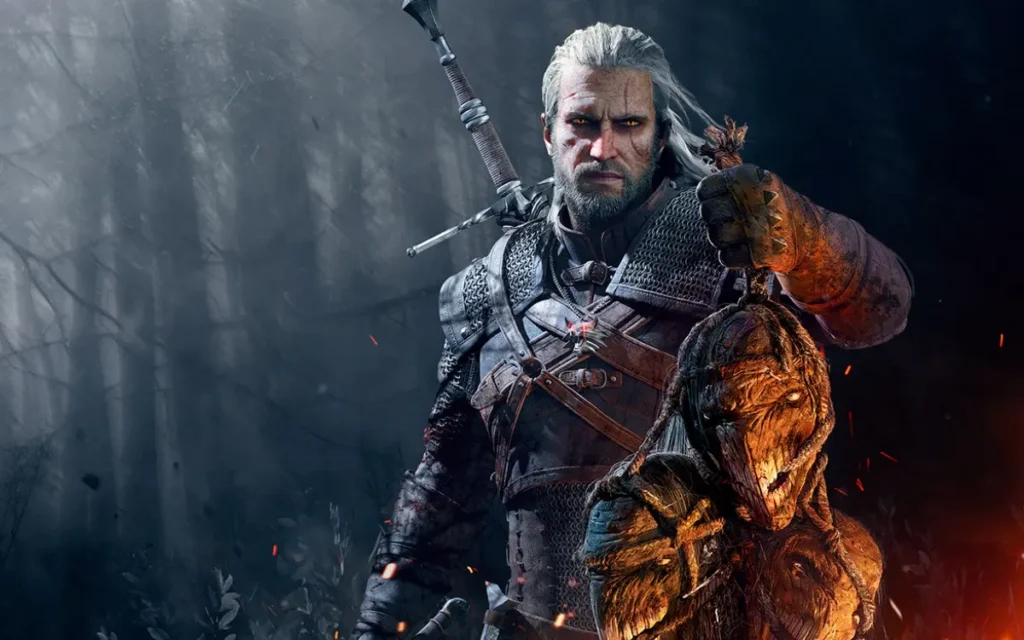
If Skyrim gave us unleashed exploration, 2015’s The Witcher 3: Wild Hunt showed us how to structure quests and overlapping storylines while still encouraging players to venture off the beaten path. No wonder this game is widely considered the pinnacle of quest design and emotional storytelling in an open world. You step into the role of Geralt of Rivia, a monster hunter whose personal quest to find his daughter is intertwined with gritty political conflict and Slavic folklore. Even the smallest side quests are written with a level of care and complexity that rivals the main story of most other games.
The game’s differential is its character-driven narrative and the heavy weight of its moral choices. Consequences for your actions can surface immediately or many hours later, forcing you to think carefully about the people you help or the factions you support. The world feels incredibly lived-in, with atmospheric biomes ranging from war-torn swamps to vibrant, fairytale-like cities, all with amazing visuals even on older platforms like PlayStation 4 and Xbox One. Granted, modern platforms like PS5, Xbox Series S/X, and PC make what was already beautiful shine even more.
It missed the top spot because its combat and movement systems have begun to feel somewhat dated and less precise than those in more modern titles. While the narrative is world-class, gameplay loops such as using “Witcher senses” to track targets can feel repetitive over long play sessions. It remains a masterpiece of storytelling, but it does not quite offer the same level of mechanical freedom as the top entry.
1. Baldur’s Gate 3
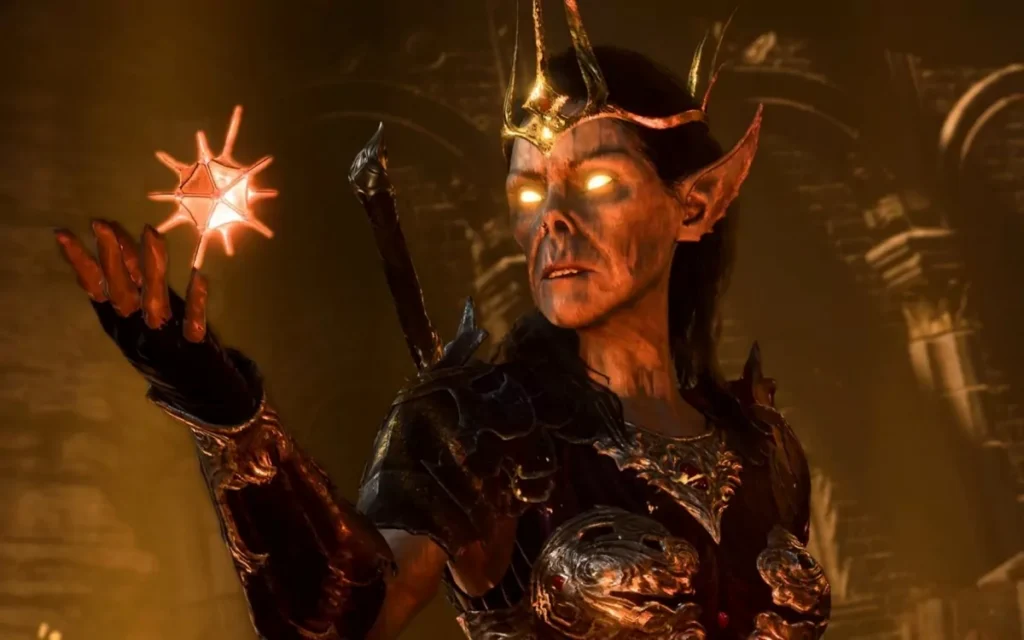
As 2023’s Game of the Year winner, Baldur’s Gate 3 is the undisputed best because it provides a level of narrative reactivity and player freedom that was once considered impossible. Built on the rules of Dungeons & Dragons, it allows you to approach any situation with absolute creativity, whether through dialogue, stealth, or environmental manipulation. The game world reacts to almost every choice you make, ensuring that every player’s journey is a unique reflection of their decisions.
The primary differential is the incredible depth of its turn-based tactical combat and its cinematic companions, each with a personal arc tied to the main plot. It makes every decision feel significant, from the fate of a small village to the survival of your own party. The presentation is top-tier, with high-quality voice acting and visuals that bring the world of Faerûn to life. It is also one of the few RPGs released on Linux and macOS from the start, alongside PlayStation 5, PC, and Xbox Series X/S.
The only potential shortfall is its steep complexity and turn-based pacing, which may not appeal to those who prefer faster, real-time combat. Managing a full party and a large set of abilities requires time and strategic thinking. However, as a pure role-playing experience where your choices truly shape the world, it currently has no equal.
Final Thoughts
Game rankings are a tricky thing to make. They are easier when listing “worst to best” experiences, but when every entry is an excellent playthrough, the task becomes much harder.
The good thing here is that every game on this list is outstanding and worth playing regardless of your preferences. As titles that have stood the test of time, many have even seen multiple re-releases—just look at how many editions Skyrim has received.
The point is that open-world RPGs belong to an older, though not dying, breed of games. In an industry dominated by live-service titles, gachas, and online-first experiences, games that choose a different path often face an uphill battle—and these are the ones that climbed all the way to the top.that choose not to follow those standards are always facing an uphill battle—and these are the ones that climbed all the way to the top.