
If I asked you to name the first shooter game that came to mind, chances are you would name some player-versus-player experience like Fortnite or something similar. While shooting your friends in the virtual face is fun, I personally find more entertainment in common goals. Hence, player-versus-environment (PvE) shooters are where the real fun is for me.
And the modern landscape of player-versus-environment shooting has evolved significantly from simple wave-defense modes into persistent, high-fidelity ecosystems. In 2026, the genre is defined by complex class synergies, sophisticated artificial intelligence, and the rise of high-stakes extraction loops that demand absolute squad coordination.
Having grown so much and into something so technical, obviously the industry now has the best of the best in such a genre. So here is our own list of the top 10 best PvE shooter games, ranked.
10. Gray Zone Warfare

Developed by MADFINGER Games, this title represents a dedicated shift toward mission-driven tactical realism. Originally launched in early access on PC, the game emphasizes deployment and faction identity within a sprawling open-world conflict zone.
Now, this game’s primary strength lies in its scale, as it treats the extraction formula as a broader military operation rather than a series of disconnected arena-style runs, making it an ideal choice for players who prefer methodical movement and strategic planning.
In other words, Rambo-ing your way through bullets all the way to the EZ won’t cut it, and you likely won’t make it halfway across the field.
However, the title frequently faces criticism regarding its slower pacing and the demanding nature of its mission structure. While the atmosphere is consistently serious and grounded, the game can feel unapproachable for those seeking the immediate action found in more arcade-leaning shooters. It remains a niche but vital entry for the subset of the market that values tactical immersion over fast-paced combat loops.
9. Arena Breakout: Infinite
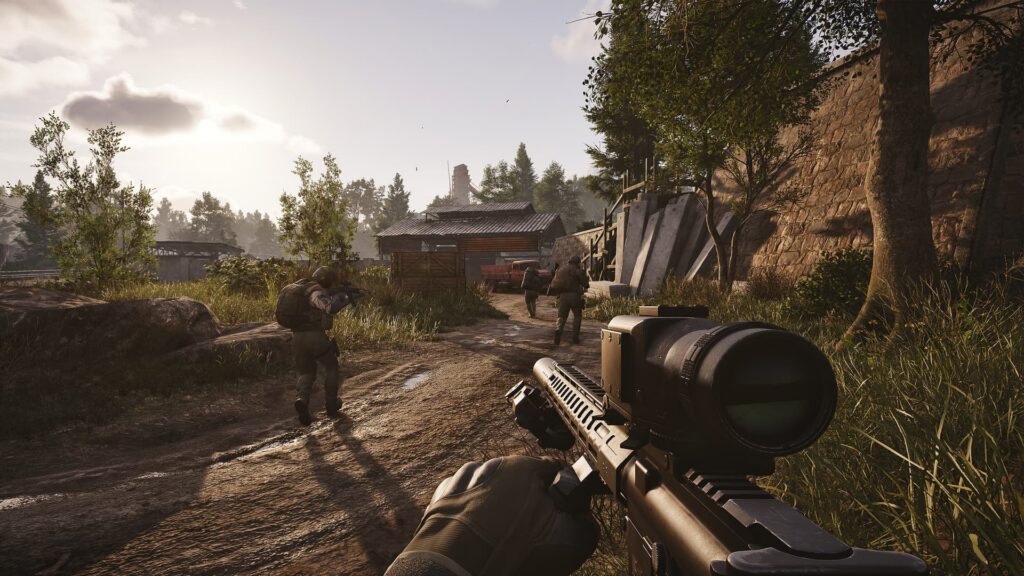
MoreFun Studios and Tencent Games produced this title to serve as a more accessible alternative to the genre’s harshest tactical simulations. Launching on PC, Arena Breakout: Infinite features faster match pacing and a more intuitive user interface that allows players to spend less time in menus and more time in active combat. It does a nice job capturing the tension of military extraction—where death results in the loss of all carried equipment—while streamlining weapon customization and inventory management for a broader audience.
The trade-off for this accessibility is a lack of mechanical depth when compared to its more hardcore peers. While the technical foundation is competent and the gunplay is responsive, seasoned players will likely find its systems to be too plain, lacking innovation…too textbook. Nevertheless, its position as a high-quality free-to-play entry makes it a dominant force for shorter sessions and cooperative play among friends.
8. Borderlands 4
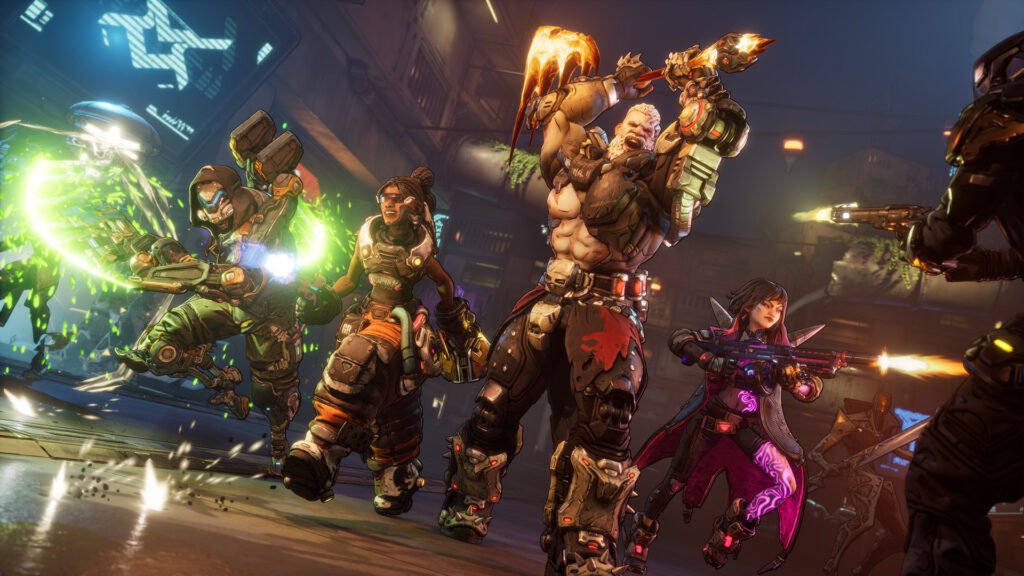
The latest entry from Gearbox Software and 2K Games serves as a soft reboot for the looter-shooter franchise, moving the series into a true open-world structure on the planet Kairos. It is also one of our featured reviews, so you should definitely check that out.
Originally released on PC, PlayStation 5, and Xbox Series X/S, the title introduces significantly enhanced mobility tools, including gliding and grappling hooks, resulting in the most agile combat in the franchise’s history. The focus remains on a pretty sizable variety of weaponry and deep character customization, maintaining the series’ reputation for chaotic cooperative action.
However, unlike its predecessors, Borderlands 4 shifted to an open world of technical hurdles, such as inconsistent texture optimization and invisible walls that occasionally impede exploration. The narrative and humor continue to be polarizing, and the game has struggled with performance stability on high-end hardware since its 2025 launch.
Does it have the Borderlands identity? Sure, but these technical flaws prevent it from climbing higher in the 2026 rankings.
7. Marathon
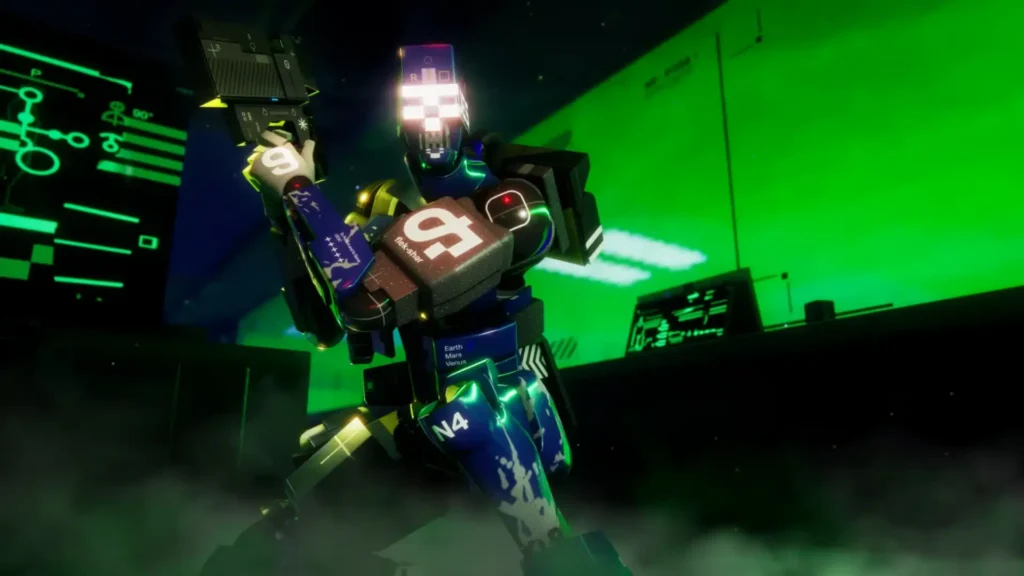
Bungie’s revival of the Marathon franchise last March marks a stylish return to the studio’s science-fiction roots. Launching on PlayStation 5, Windows, and Xbox Series X/S, the game utilizes a “hero shooter” model where players select biocybernetic “Runner shells” with specialized abilities like stealth or reconnaissance, and it has been celebrated by players for its world-class gunplay and a stylish visual identity that emphasizes readability and atmospheric dread.
However, it does have an abysmal user interface, with a penchant for non-descriptive icons that don’t really tell you anything. Even more so, the game’s aggressive cosmetic monetization and a perceived lack of launch maps have created friction within the community. While its endgame level design is hailed as a masterclass, these friction points currently hinder its overall accessibility.
6. Hunt: Showdown 1896
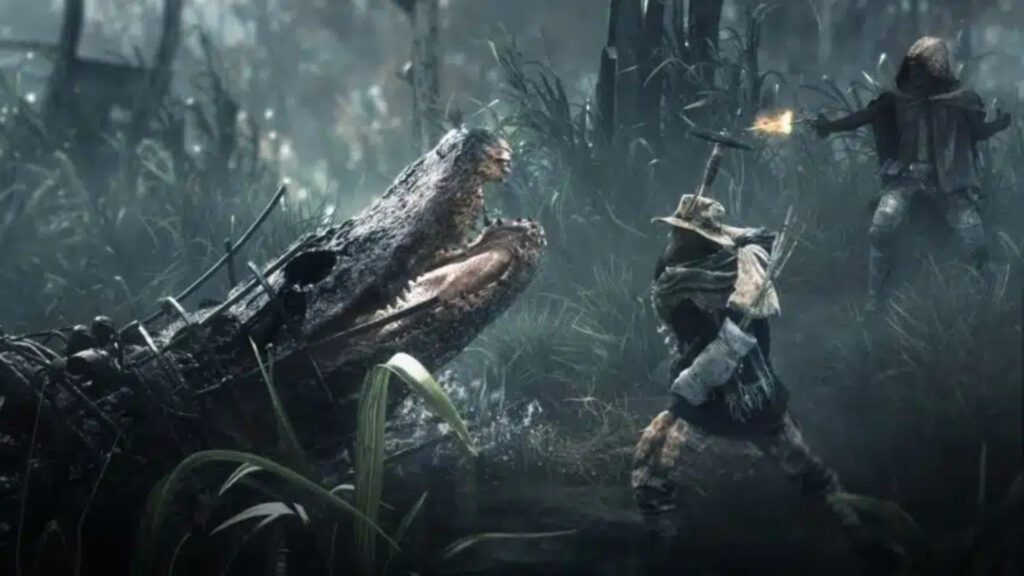
Crytek’s atmospheric horror-shooter has maintained its relevance since its original 2019 release by focusing on high-stakes monster hunting and unmatched sound design.
Set in a dark version of the American South, the game tasks players with tracking supernatural targets in environments where every sound—from a breaking branch to a distant gunshot—can trigger a high-commitment gunfight, keeping players on their toes at all times.
The methodical rhythm of the game is its greatest strength, but it also serves as a barrier for those accustomed to the kinetic energy of modern military shooters. The learning curve regarding sound traps and situational awareness is notoriously steep, and matches can often unfold slowly as squads wait for the perfect moment to strike. It remains the premier choice for those seeking a blend of horror and precision shooting, even as the genre expands with more traditional military titles, but don’t expect the usual “move around and shoot everything” scenario most games in the genre tend to bring.
5. Escape from Tarkov
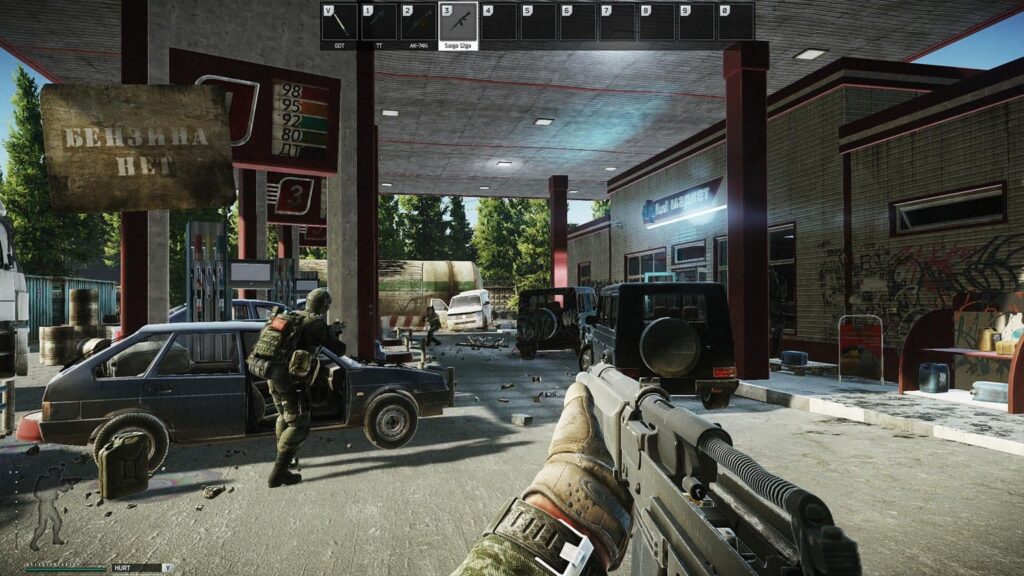
Battlestate Games’ military simulation remains the hardcore benchmark for the entire extraction genre.
Originally finding its audience on PC, the game is famous for its hyper-realistic ballistics, intricate weapon modding, and a “brutal” risk-reward cycle that defined the modern shooter landscape. In 2026, the introduction of a dedicated PvE-only mode has allowed the game to retain players who want to experience its tactical depth without the stress of adversarial encounters.
The game’s extreme difficulty and lack of traditional onboarding are shortfalls, since they pretty much stop newer, casual players from joining in on the fun—they will have to spend hours learning basic survival systems, after all.
Furthermore, its aging technical foundation and persistent issues with cheaters in its standard modes continue to be points of contention for the player base. Despite these flaws, its status as the gold standard for uncompromising simulation ensures it remains at the heart of the PvE market.
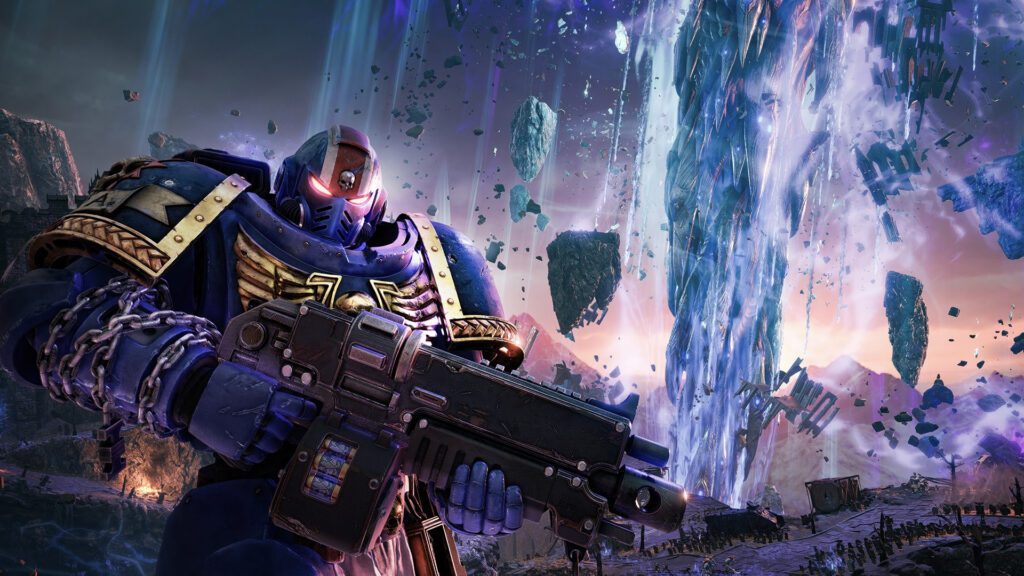
4. Warhammer 40,000: Space Marine 2
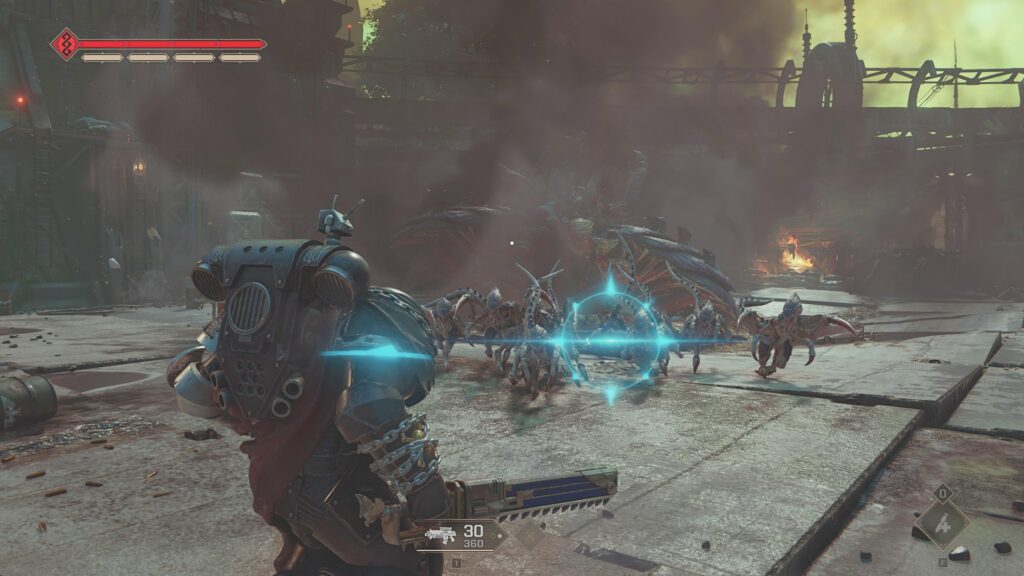
Saber Interactive and Focus Entertainment have created the definitive power fantasy with this visceral third-person shooter. Utilizing the proprietary Swarm Engine, the game renders thousands of enemies on screen at once, forcing players to use a mix of parries, melee executions, and heavy weaponry to survive.
Originally launching on PC, PlayStation 5, and Xbox Series X/S, its “Operations” mode provides a long-term PvE engine focused on class-based progression and brutal squad-based challenges.
Unfortunately, the main drawback in Warhammer 40,000: Space Marine 2 is not even “in” the game: this is one incredibly demanding title, as PC hardware goes. Due to the massive scale of its swarming enemies, you can’t really make the most out of it even if you have a high-end computer, as only the most modern processors and GPUs will be able to maintain a stable 60 frames per second.
While the cinematic, gore-soaked battlefields are visually stunning, the game’s focus on raw combat spectacle can feel less engaging for players who prefer complex looting or exploration systems. It is a technical masterpiece that prioritizes impactful combat above all else.
3. ARC Raiders

Embark Studios and Nexon have achieved extraordinary commercial success with ARC Raiders, which surpassed 16 million sales in early 2026. Set in a dystopian future dominated by robotic threats, the game stands out for its social dynamics; its matchmaking system often leads to players teaming up to defeat massive “ARC” machines rather than engaging in immediate PvP combat.
It originally launched on PlayStation 5, Windows, and Xbox Series X/S, and it is frequently praised for its “ultra-realistic” survival systems and atmospheric “Rust Belt” maps.
A recent shift in the developer’s strategy has moved the game to a semi-annual update cadence, raising concerns about long-term content consistency compared to traditional live-service models. While the “kinder” approach to extraction makes it highly accessible, the community is currently waiting to see if this slower pace will impact player retention in the face of faster competitors. It remains the most successful new IP of the recent era, balancing high stakes with a welcoming social atmosphere.
2. Deep Rock Galactic
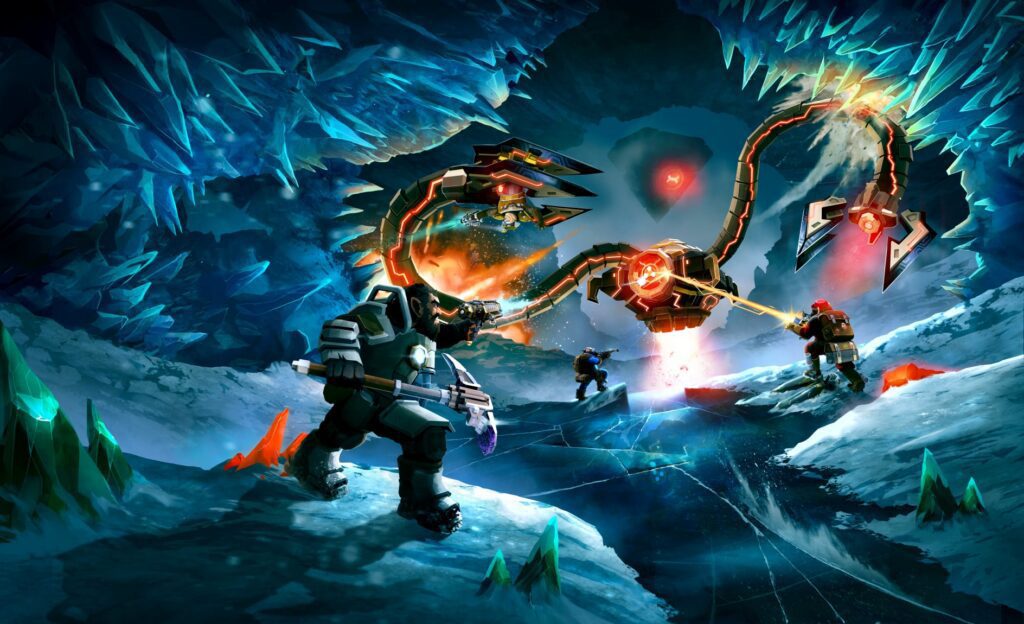
Ghost Ship Games’ cooperative mining shooter Deep Rock Galactic continues to be the industry gold standard for synergy and community culture. Originally launching for PC and Xbox, the game utilizes procedural mission generation and distinct class roles to ensure that no two excursions into its destructible cave systems are identical.
Furthermore, this game is lauded for its fair monetization, high hardware-friendliness, and a very positive reputation that has sustained a veteran player base for over half a decade.
The visual engine of the title is stylized rather than cutting-edge, which may be a shortfall for those seeking the high-fidelity realism of its 2026 rivals. However, the mechanical depth of its class synergy—where the environment is a puzzle only solvable through teamwork—is rarely matched elsewhere in the genre. It remains a safe bet for any group seeking a reliable, stable, and welcoming cooperative experience.
1. Helldivers 2

Can’t say I am surprised to see this one leading the list: Arrowhead Game Studios and Sony’s Helldivers 2 has maintained the definitive PvE experience of 2026 with this tactical third-person shooting premise.
Launching on PC and PlayStation 5, the game is built on a chaos-by-design philosophy, utilizing persistent friendly fire and a live, community-driven narrative where the collective actions of players shape a persistent galactic war. The “Stratagem” system, which requires complex directional inputs to call down orbital support, adds a unique cognitive load that defines its high-stakes gameplay.
While balance patches and fluctuations in content pacing have occasionally fragmented the community, the game remains the undisputed leader of the genre due to its sheer scale and the hilarious, unpredictable nature of its combat. Its ability to maintain a global narrative while providing endless mechanical variety ensures it remains at the apex of cooperative shooting. No other title has successfully replicated its blend of tactical intensity and community-focused storytelling.
Final Thoughts
The PvE shooter market of 2026 demonstrates a clear maturation, where long-term success is dictated by technical excellence and sustainable business practices.
Gone are the days where you just pick up a gun and start shooting—not that there is anything wrong with that, if that’s your cup of tea. But now, shooter games have become more intelligent, tactical and less luck-reliant. It almost sounds like an RPG, if you really think about it.
Did we miss any title you remembered? Which ones are your favorites? Tell us in the comments!