
Publisher Mega Crit opened early access for Slay the Spire 2 in early March, and players are already diving into the game and modding it in droves. So much so, in fact, that many have already completed the available content and are now stuck waiting for updates to roll in.
Well, not anymore. As it turns out, Slay the Spire 2 is just one of many games in the deck-building genre, and while you wait for its follow-up updates, we’ve put together a list of similar titles to help scratch that itch.
1. Monster Train
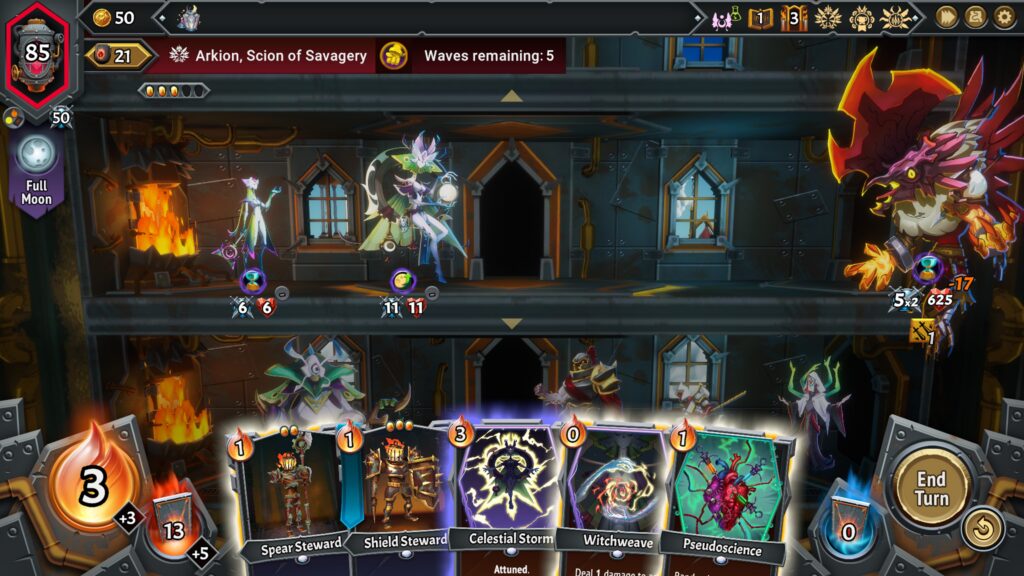
Monster Train is a highly popular vertical-lane roguelike where you defend the last Pyre of Hell across three distinct train floors. Players lead a squad of demonic units, casting spells and positioning champions to hold back waves of heavenly forces. It is known for its high replayability, offering five unique clans with distinct playstyles that can be fused together to create complex, multi-layered synergies.
This title is a fantastic next step for fans of Slay the Spire 2 because it shares the same addictive loop of run-by-run deck growth and strategic relic collection. However, it introduces a significant shift in combat by forcing you to manage multiple battlefields simultaneously. While Slay the Spire 2 focuses on a single line of defense, Monster Train requires careful unit placement across floors to maximize effectiveness. It is available on PC, PlayStation 5, Xbox, Android, and iOS.
2. Balatro
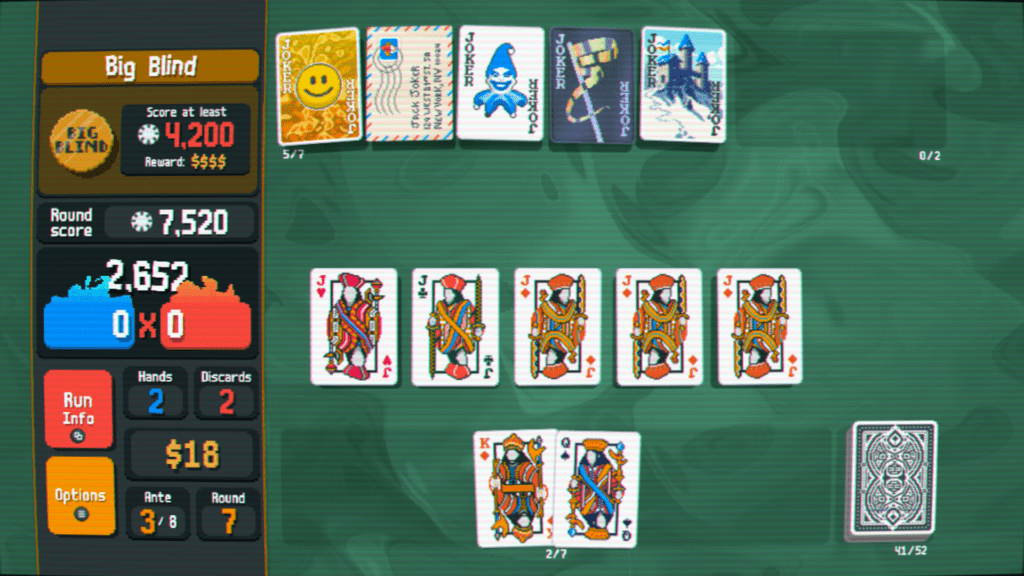
A modern sensation in the genre, Balatro is a poker-inspired roguelike that turns standard card hands into high-stakes engine building. Instead of fighting traditional monsters, you play against a scoring system, using wild Jokers, Tarot cards, and Planet cards to multiply your points and overcome escalating requirements. It is praised for its “broken” build potential and fast, satisfying feedback loop.
Like Slay the Spire 2, Balatro thrives on the thrill of crafting explosive combos and discovering game-altering synergies. The primary difference lies in its core mechanics. It replaces monster AI and defensive blocking with probability management and numerical scaling. It offers a different kind of tactical challenge that rewards deep planning over traditional combat heuristics. You can play it on PC, PlayStation 4, PlayStation 5, Xbox Series X/S, Xbox One, Android, iOS, and macOS.
3. Dicey Dungeons
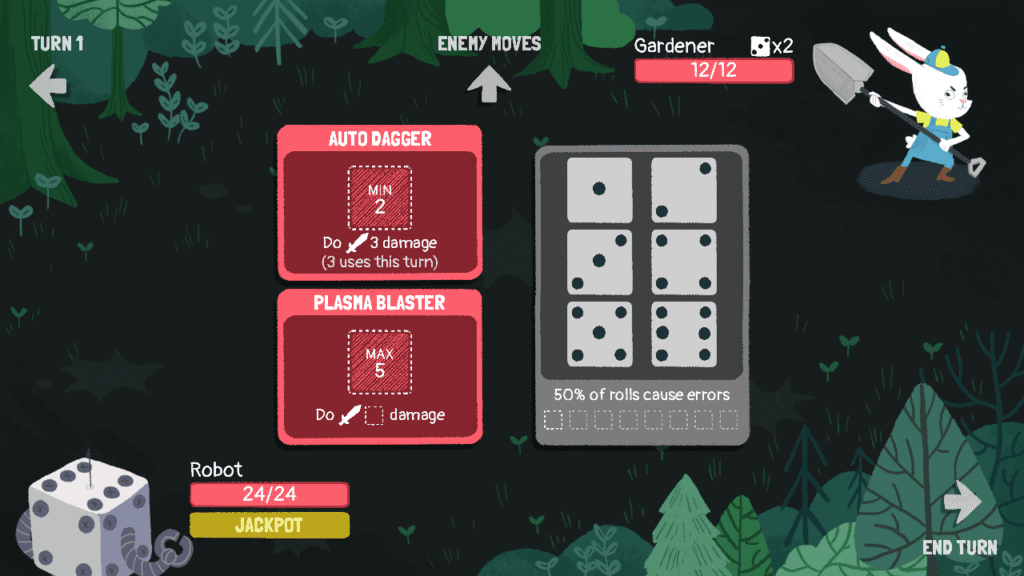
For players looking for an entry point into the deck-building genre, the two options above might seem overwhelming. Therefore, Dicey Dungeons is worth trying. As a vibrant, dice-driven roguelike that simplifies complex deck-building into snappy sessions, it serves as a strong introduction for new players.
In Dicey Dungeons, players take on the role of a walking die and use equipment cards to convert random rolls into specific actions like damage or healing. Each of its six distinct characters introduces a unique ruleset, fundamentally changing how the game is played.
While it retains the drafting and deck-thinning strategies familiar to Slay the Spire 2 fans, its core tension revolves around a blend of luck and tactics. Unlike the more deterministic nature of many card draws, players must constantly adapt their equipment to whatever the dice provide. Its shorter, “snackable” runs also make it more approachable. It is available on PC, PlayStation 4, PlayStation 5, Xbox Series X/S, Xbox One, Nintendo Switch, Android, macOS, and iOS.
4. Griftlands
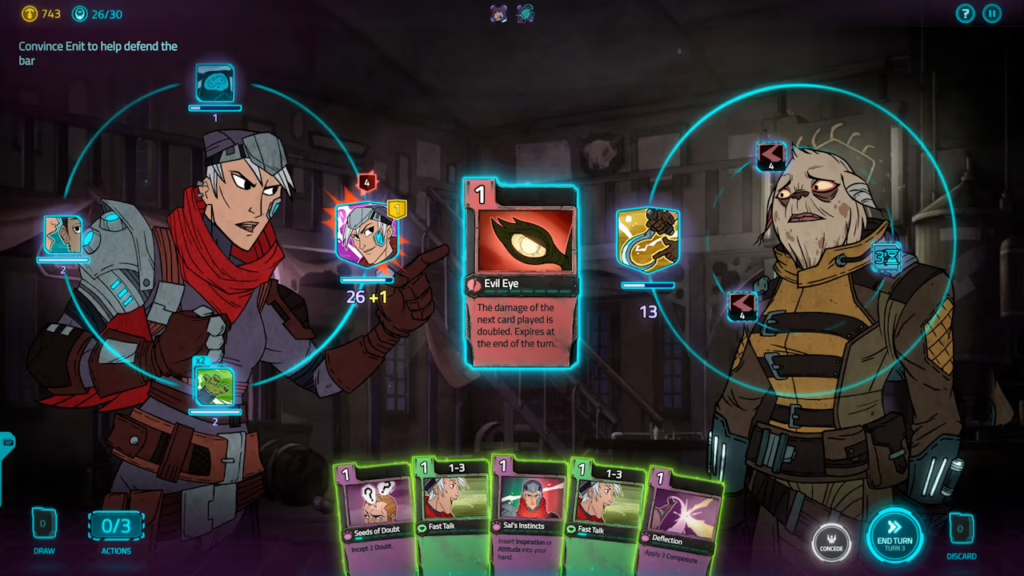
Griftlands is an excellent choice for those who want their strategy wrapped in a compelling sci-fi narrative. It features a unique dual-deck system where players manage one deck for physical combat and another for social negotiation. Decisions made during your run have lasting impacts, as relationships with NPCs persist and can alter the difficulty of future encounters.
This game mirrors Slay the Spire 2 through its roguelite drafting and map-routing tension, but it pushes the boundaries of the genre by making social interaction a mechanical tool. While the sequel to Spire has expanded its lore, Griftlands makes story-driven choices a core part of its gameplay loop, even allowing players to talk their way out of fights. It is playable on PC, Nintendo Switch, PlayStation 4, macOS, and Xbox One.
5. Inscryption
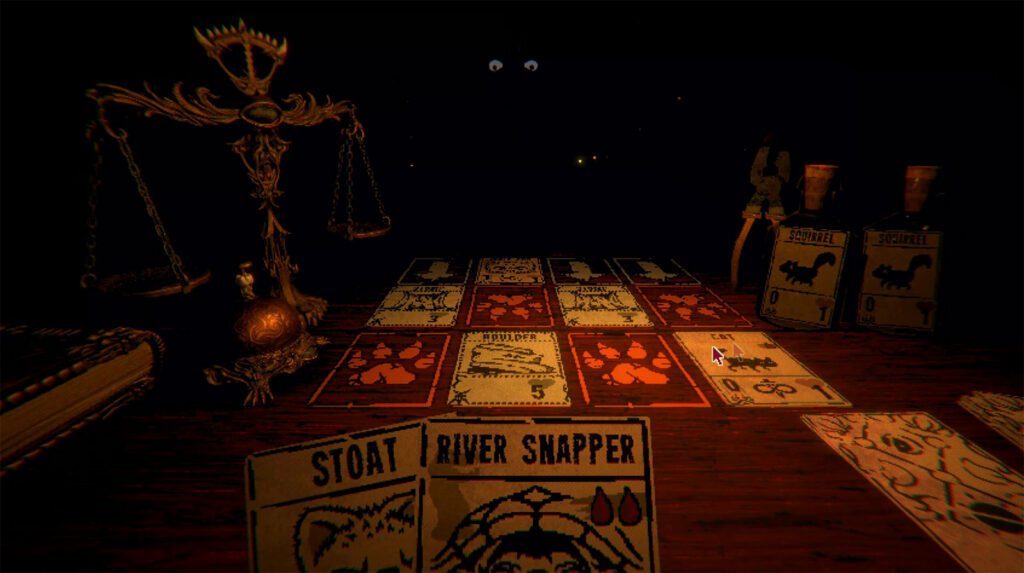
Inscryption is a genre-bending “must-play” that blends psychological horror with deep card mechanics. You begin trapped in a cabin, playing a dark game against a mysterious figure where you must sacrifice woodland creatures to play more powerful units. As you progress, the experience evolves into a meta-narrative where the rules, and even the genre itself, begin to shift.
Fans will appreciate the intense card curation and relic-style items that carry over from the Spire formula. However, Inscryption stands apart by incorporating escape-room puzzles and fourth-wall-breaking elements that keep players unsettled. It is a more atmospheric and experimental title that challenges expectations at every turn. It is available on PC, PlayStation 4, PlayStation 5, Xbox Series X/S, Xbox One, Nintendo Switch, Android, and macOS.
6. Wildfrost
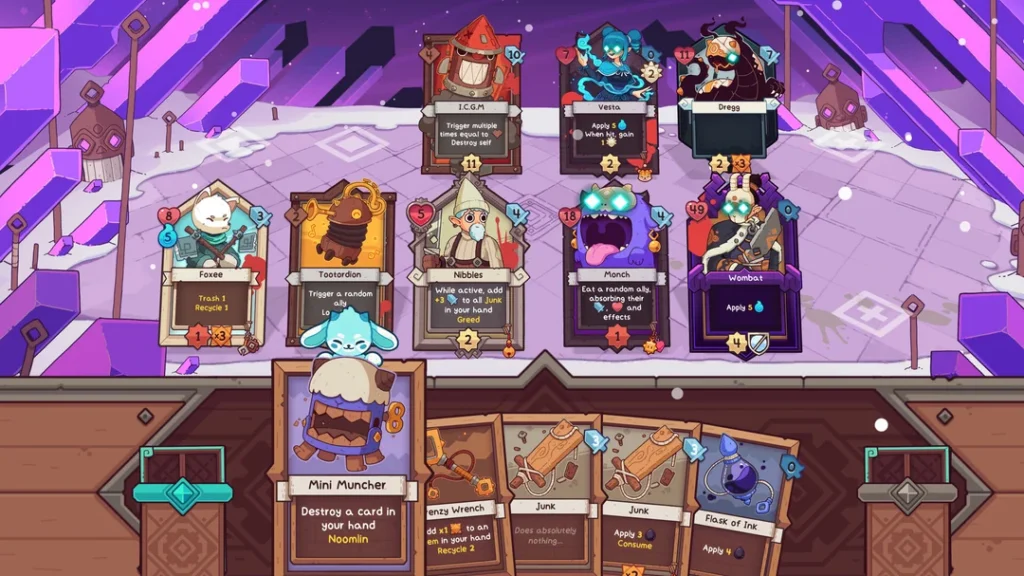
For more advanced players seeking a serious challenge, Wildfrost offers a tactical, lane-based experience with a sudden difficulty spike designed to catch players off guard. This is driven by a feature known as the “dynamic counter mechanic,” where every unit has a timer dictating when it acts, forcing players to think several moves ahead to control the battlefield. Its charming, handcrafted art style masks a deeply complex strategy game.
Think of it like chess, except you’re under pressure, so you must balance strong decision-making, strategic anticipation, and quick thinking.
While it shares the synergy drafting and deck customization of Slay the Spire 2, it introduces a unique layer of tempo control. Managing unit movement between lanes and timing attacks to interrupt enemies is far more critical here than in traditional card battles. You can find it on PC, Xbox Series X/S, Xbox One, Nintendo Switch, Android, and iOS.
7. StarVaders
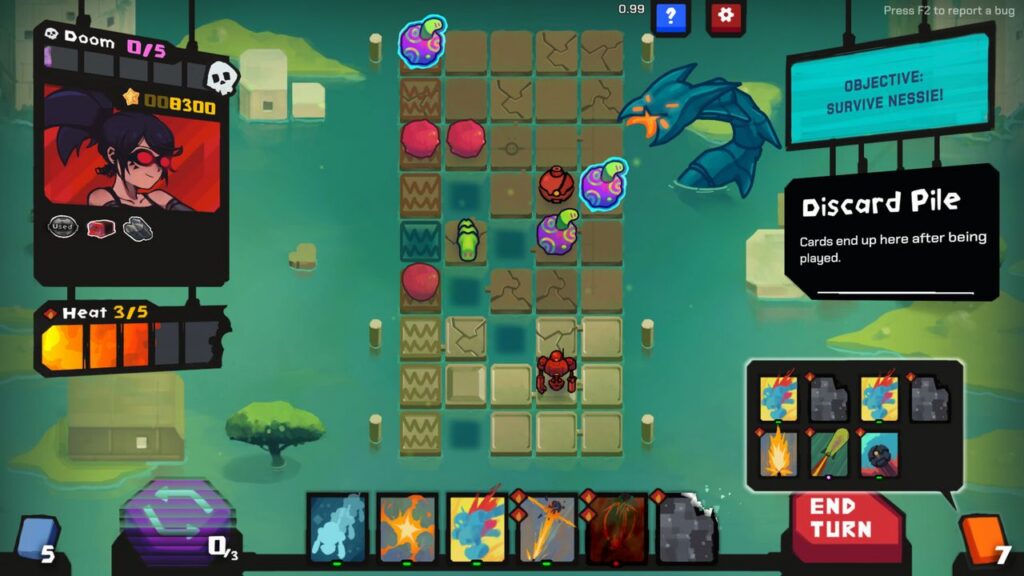
StarVaders is a fresh and innovative title that fuses deck-building with grid-based tactical combat. You pilot a powerful mech to fight off an alien invasion on a grid where enemies relentlessly advance toward you. The game’s primary failure condition is a “Doom” meter that fills if too many invaders reach your side of the board.
The similarity to Slay the Spire 2 lies in its thoughtful deck-building and diverse card pools, but the key difference is spatial pressure. Where Spire focuses on managing health and resources, StarVaders makes positioning and area control just as important as the cards you play. Each mech also uses its own resource system, such as “Heat” or “Mana,” which reshapes the flow of each turn. It is currently available on PC.
Final Thoughts
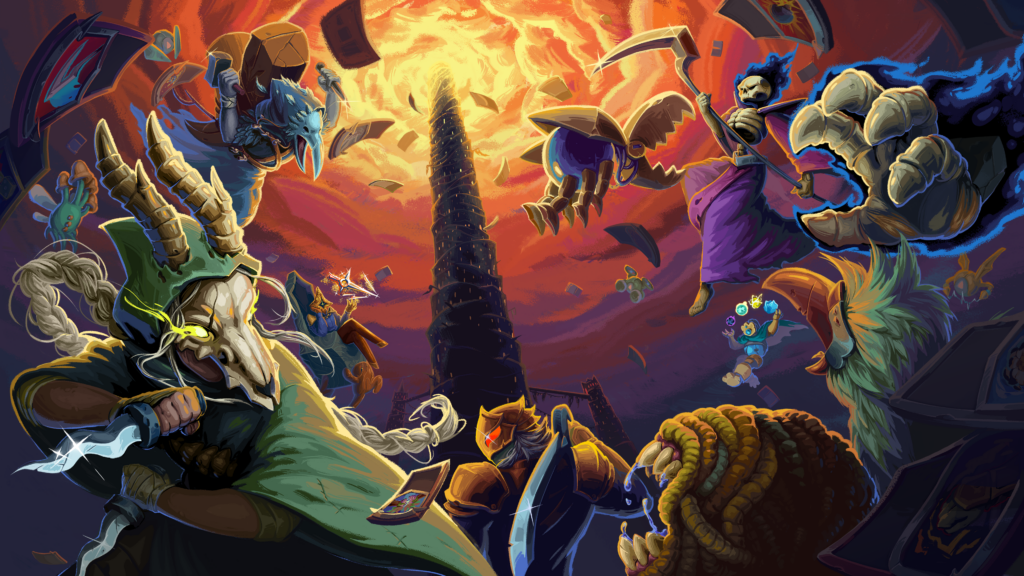
Games like Slay the Spire 2 are gaining popularity by leaning into strategic depth and intelligent design. And it’s clearly working. According to Steam Database, the game peaked at about 574,638 concurrent players, which is especially impressive for a title still in Early Access.
The takeaway is simple: there is strong demand for this genre. Whether it’s the strategic complexity, the thoughtful gameplay, or the polished visual presentation, deck-building games have evolved far beyond simple card mechanics into high-stakes, decision-driven experiences.
Today, these games rival even traditional tactical RPGs in depth. Players can bluff, set up decoys, and plan several steps ahead, not just to win, but to build a satisfying path to victory.
If you’re feeling burned out on fast-paced, action-heavy combat, taking a step back and engaging with something more strategic might be exactly what you need. combat systems, maybe taking a step back and working on your mind games can be an easy outlet for you, too.