
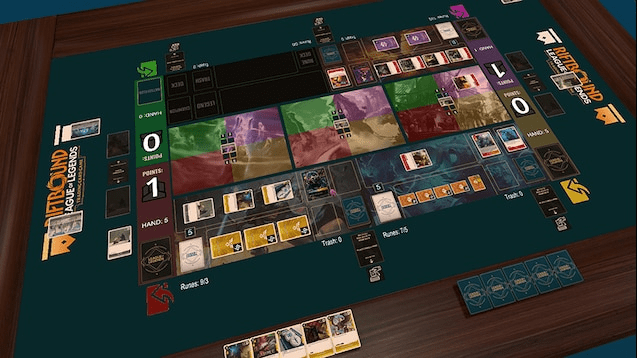
The Riftbound meta continues to evolve in April 2026, with several decks rising to the top thanks to consistency, flexibility, and strong tournament performances. From dominant S-Tier staples to experimental lower-tier picks, the current landscape rewards players who can adapt and make the most of powerful interactions.
This tier list breaks down the best decks in the current meta, helping you decide what to play whether you’re climbing ranked or preparing for competitive events.
S-Tier Decks (Top Meta Picks)

These are the strongest decks in the current meta. They offer consistency, strong win conditions, and the ability to compete against almost anything.
Draven: Draven dominates through flexible interaction and constant pressure, forcing opponents to respect multiple possible plays with minimal Energy. The deck also has access to powerful draw tools and combo variants, allowing explosive turns and strong late-game swings.
Ezreal: Ezreal thrives on card advantage, consistently generating value through multiple draw engines and synergy tools. Whether built around mobility or spell-heavy setups, the deck maintains control by always having more options than the opponent.
Irelia: Irelia focuses on protecting key units while outplaying opponents with a wide range of combat tricks and counterplay. The deck rewards careful decision-making, allowing players to maintain control while shutting down enemy strategies.
Kai’Sa: Kai’Sa excels at efficient trades and scaling through strong spell synergy and card advantage. With access to both flexible tools and powerful finishers, the deck can adapt to different matchups and close out games reliably.
A-Tier Decks (Strong and Reliable)

These decks are highly competitive but may have slightly more defined weaknesses or tougher matchups compared to S-Tier picks.
Annie: Annie offers a fast, aggressive playstyle backed by consistent early-game pressure and strong mobility. It can quickly punish opponents while still maintaining access to interaction tools for mid-game control.
Sivir: Sivir stands out for its flexibility, with multiple viable builds that either focus on strong threats or card draw engines. Both variants are effective, giving players options depending on matchup and playstyle.
Miss Fortune: Miss Fortune remains a solid deck built around scaling threats and board presence, though it faces more competition in the current meta. It still performs well but requires careful setup and timing to stay effective.
Viktor: Viktor provides a versatile toolkit with strong spell-based control and multiple viable playstyles. Whether played defensively or more aggressively, it offers consistent answers to a wide range of threats.
Fiora: Fiora focuses on buffing units and winning through strong combat interactions and efficient removal tools. It’s a straightforward but powerful deck that rewards precise plays and positioning.
Sett: Sett plays for board control by converting buffs into sustained pressure and value over time. With strong combat tricks and reuse mechanics, it can outlast opponents in longer engagements.
B-Tier Decks (Situational Picks)
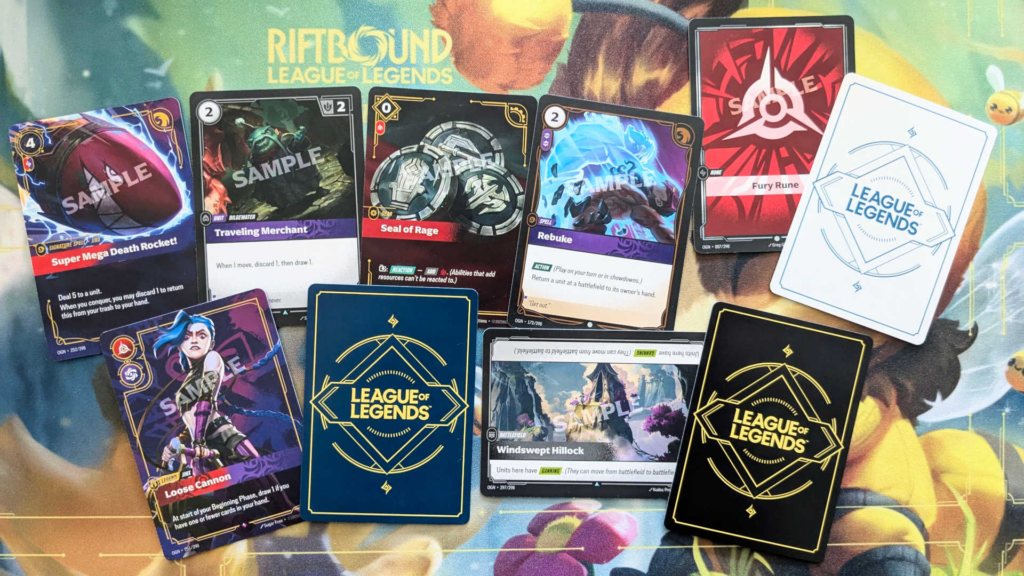
These decks can perform well but often require favorable matchups or more specific strategies to succeed.
Lucian: Lucian is a high-mobility deck that relies on positioning and equipment to apply pressure across multiple battlefields. It can be effective in aggressive matchups but lacks deeper interaction tools.
Azir: Azir overwhelms opponents with Sand Soldiers and efficient early-game setups. The deck scales quickly but can struggle if it loses momentum.
Jax: Jax revolves around stacking equipment to turn units into major threats. While powerful when set up, it can be inconsistent if key pieces are disrupted.
Master Yi: Master Yi offers flexibility with both midrange and late-game variants, allowing players to adapt their approach. However, it lacks the consistency and power of higher-tier decks.
Lux: Lux focuses on spell-heavy control and sustained card advantage through high-cost plays. It performs well in slower matchups but can fall behind if tempo is lost early.
C-Tier Decks (Niche or Underdeveloped)

These decks have potential but are either inconsistent or lack a clear win condition in the current meta. Rek’Sai, Ornn, Ahri, Leona, Renata Glasc, Teemo, and Darius all fall into this category. While they bring unique mechanics and ideas, they struggle to match the efficiency and consistency of higher-tier decks.
D-Tier Decks (Currently Underperforming)

These decks are the weakest in the current meta and are generally not recommended for competitive play. Yasuo, Volibear, Lee Sin, Rumble, Jinx, and Garen all face significant challenges, whether due to clunky mechanics, lack of support, or being outclassed by stronger alternatives.
Final Thoughts

The April 2026 Riftbound meta is heavily shaped by flexibility and resource generation. Decks like Draven and Ezreal dominate because they can adapt to almost any situation, while others struggle to keep up with the pace and consistency required at higher levels.
If you’re looking to climb efficiently, sticking to S-Tier or high A-Tier decks is your best bet. But as always, the meta is still evolving, and there’s room for innovation—especially among the lower-tier picks.