

Set 20 years after the events of the original game, For the King 2 improves the roguelite formula by introducing new classes, over 2,000 pieces of loot, and a surprisingly deep story of betrayal and intrigue in a tried-and-true setting of a mad regent moving her might against a rag-tag resistance group.
Despite its simplicity, this roguelite game has many layers of gameplay that might confuse the more casual players—especially when it comes to choosing which fighters to take to the field and do battle.
Alas, that is why we are here, so read on below to find out how to make the most of For the King 2 features and which are the classes that dominate its fights.
S-Tier
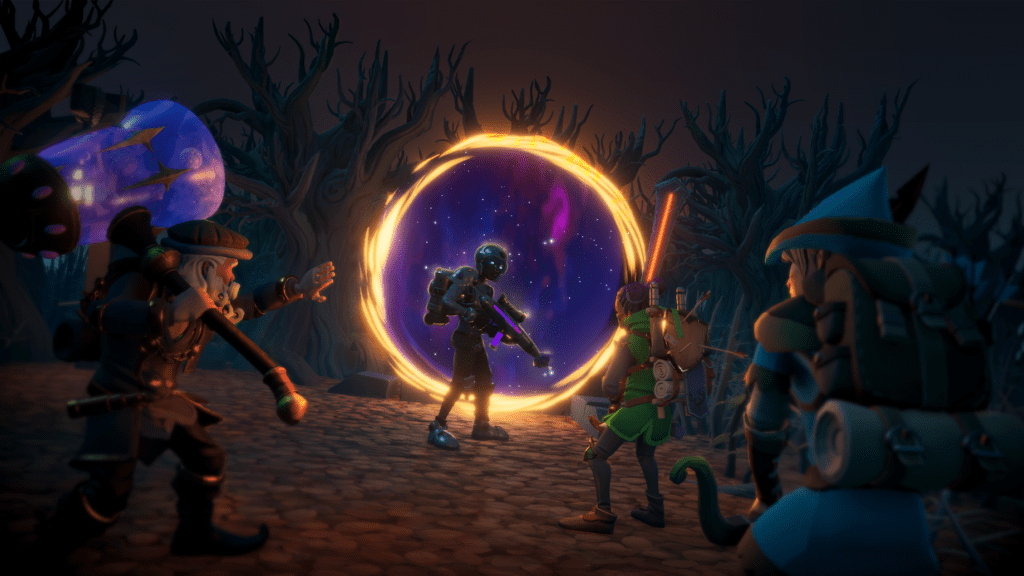
Much like any other multi-character game, heroes from the S-Tier class are considered the cream of the crop. These are fighters that bring many winning features even at base levels, offering utility or damage so significant that they can carry a party through the toughest dungeons.
- Fallen Knight: Currently the gold standard for frontline combatants, this class combines massive vitality with the ability to deal AoE damage through its unique charge attacks. It effectively functions as a more reliable version of the Woodcutter, gaining protection shields while preparing hits that can wipe entire boards.
- Herbalist: The backbone of any sustainable party, the Herbalist’s ability to find free herbs and provide group healing remains unparalleled. Even with the introduction of new gear that provides similar effects, the sheer efficiency of the Herbalist’s passive resource generation makes them nearly mandatory for high-level play.
- Toy Maker: A standout from recent updates, the Toy Maker provides a massive advantage by summoning dolls that act as temporary allies. Beyond its summons, its starting weapon is considered one of the best in the game, granting additional primary actions and providing incredible early-game synergy with other heavy hitters.
- Alchemist: Speed is often cited as the most important stat in the game, and the Alchemist uses it to dominate the battlefield with high intelligence and free bombs. Their ability to craft infinite explosives allows the party to utilize secondary actions for consistent AOE damage and status effects.
A-Tier
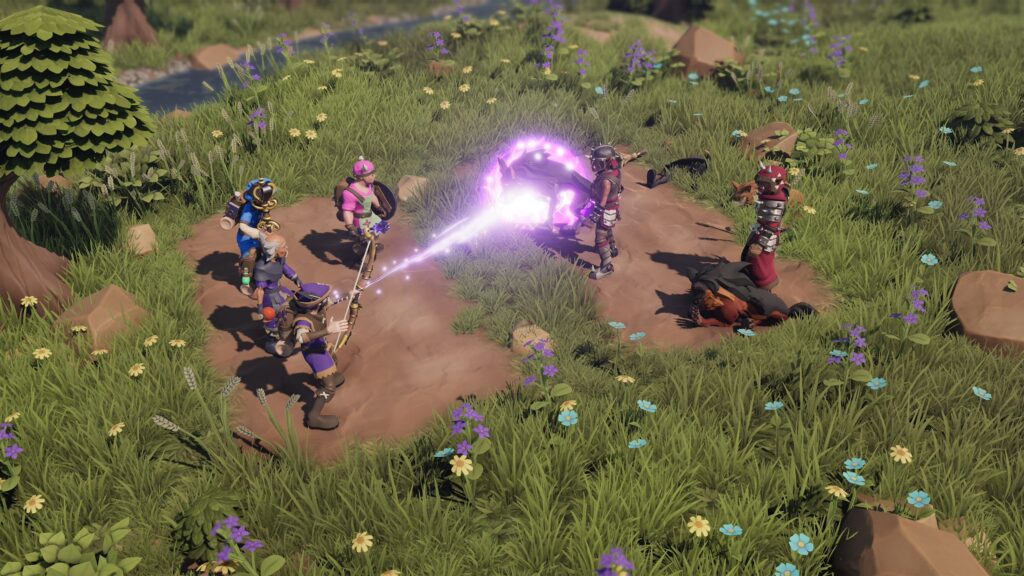
While the S-Tier specializes in unique features, the A-Tier characters are incredibly strong in their own right, and form the bulk of most successful party compositions. While they do require some strategic work and proper gear so you can reap most of their benefits, they are still some of the best and most accessible options in the game.
- Farmer: This is the ultimate reliability class, using scarecrows to soak up enemy attacks and protect the backline without requiring a shield. Their high awareness also allows them to flex into different weapon types, making them one of the most consistent tanks in the game.
- Friar: A unique “tank-mage” hybrid, the Friar thrives on the game’s alcohol mechanics, gaining powerful buffs while being completely immune to negative side effects. They can even pass these benefits to nearby allies, making them a cornerstone for parties that utilize consumables.
- Stablehand: Once considered a weaker starter, the Stablehand has seen a massive resurgence in the 2026 meta. New DLC items and synergies with classes like the Monk allow players to frequently trigger the “Hard Work” ability, effectively granting this class multiple primary actions per turn.
- Blacksmith: The classic defensive choice, the Blacksmith remains a sturdy anchor for any team. Their “Steadfast” ability provides a chance to negate all incoming damage when a shield is equipped, though they are more gear-dependent than the Farmer.
- Monk: Serving as the backbone for team support, the Monk can restore focus to allies whenever they land a critical hit or a killing blow. They offer a solid alternative to the Herbalist for players who want a more combat-focused support character.
B-Tier
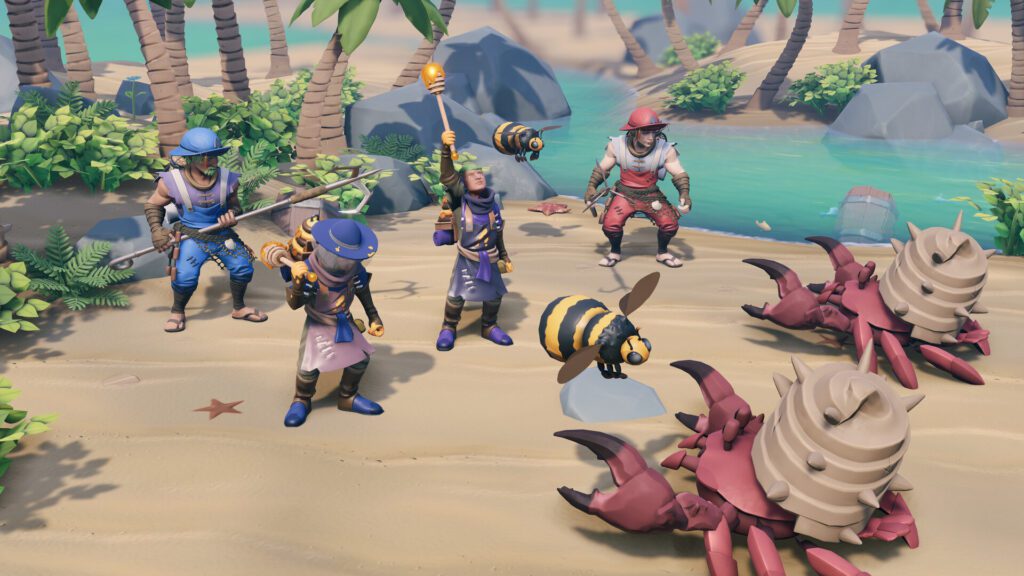
While not exactly useless, B-tier fighters are usually stiff in their offers and usefulness. Some may serve as cannon fodder, although they can hold the line for a time while higher-tier members prepare for better, more practical attacks.
- Voidwalker: Acting as a magical counterpart to the Hunter, the Voidwalker scales exceptionally well into the late game. While their early game can be difficult, they can eventually reach a point where nearly every attack is a critical hit.
- Scholar: While still a solid magic user with excellent map traversal via scrolls, the Scholar has been somewhat outclassed by the raw utility of the Alchemist and the damage of the Fallen Knight. However, their ability to refocus and gain free energy remains a useful crutch for focus-hungry parties.
- Hunter: Once the king of DPS, the Hunter is still a great choice for high awareness builds, but their “Called Shot” ability is restricted to specific weapon types. They offer excellent evasion and speed but lack the AOE potential found in higher tiers.
- Fortune Teller: This class has perhaps the highest damage potential in the game with her channel abilities. Unfortunately, her reliance on random tarot card effects means that she can just as easily provide a useless buff as a game-changing one.
The C & D-Tier: The Struggling Few
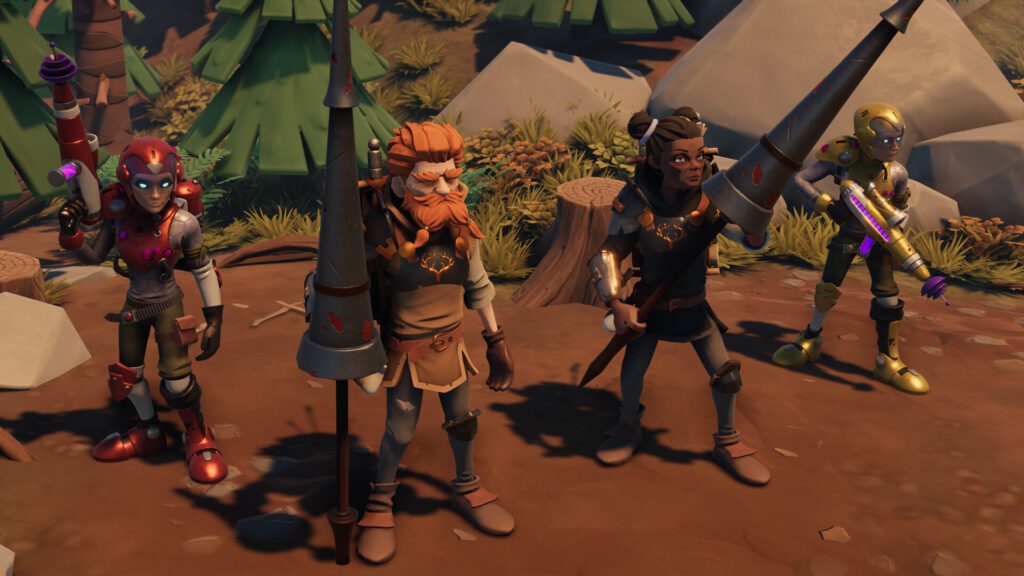
Even though this is the most accessible tier of all, you’ll often find yourself employing them as cannon fodder, and likely will switch them out for better options relatively early in the game.
- Busker & Minstrel: While their gold and XP buffs are nice in the early game, their primary combat abilities—Distract and Encourage—are easily found on mid-to-late game equipment. This makes them largely redundant as the campaign progresses.
- Pathfinder: While “Survey” can help navigate congested maps, it is often seen as a luxury rather than a necessity. Most other classes can fill the awareness-based DPS role while offering more impactful combat skills.
- Woodcutter: The Woodcutter has fallen significantly in the rankings because the Fallen Knight does everything they do, but with better defensive utility and more consistent AOE procs.
- Shepherd: Despite improvements to pet mechanics, the Shepherd remains at the bottom of the list. The summons are often unpredictable and can sometimes even mess up your party’s positioning on the battlefield.
- Hobo: While the Hobo’s balanced stats might look enticing for a “jack-of-all-trades” build, they lack a specialized niche and a unique trait, leaving them slightly behind in every category compared to dedicated classes.
Final Thoughts
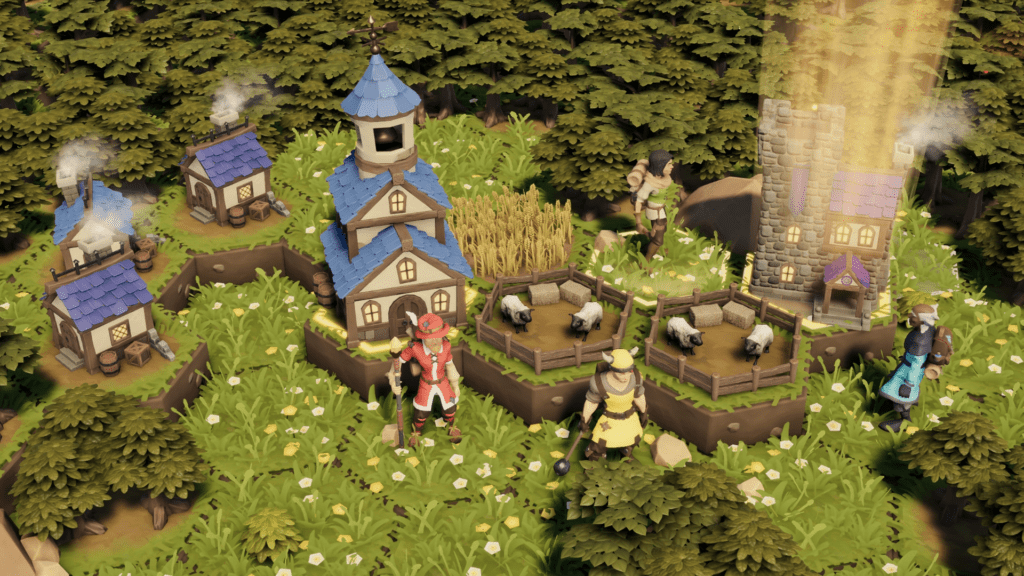
While tier lists highlight the strongest individual performers, the true magic of For the King 2 lies in party synergy. A perfectly balanced team—usually consisting of a dedicated tank, a consistent healer, and two specialized damage dealers—will often outperform a group of four S-tier heroes who don’t complement each other’s skills. As the game continues to evolve, the most important strategy remains choosing a lineup that fits your personal playstyle and allows you to enjoy the chaotic journey through Farhul.
For the King 2 is available on Windows, PlayStation 5, Xbox One and Xbox Series X/S.