
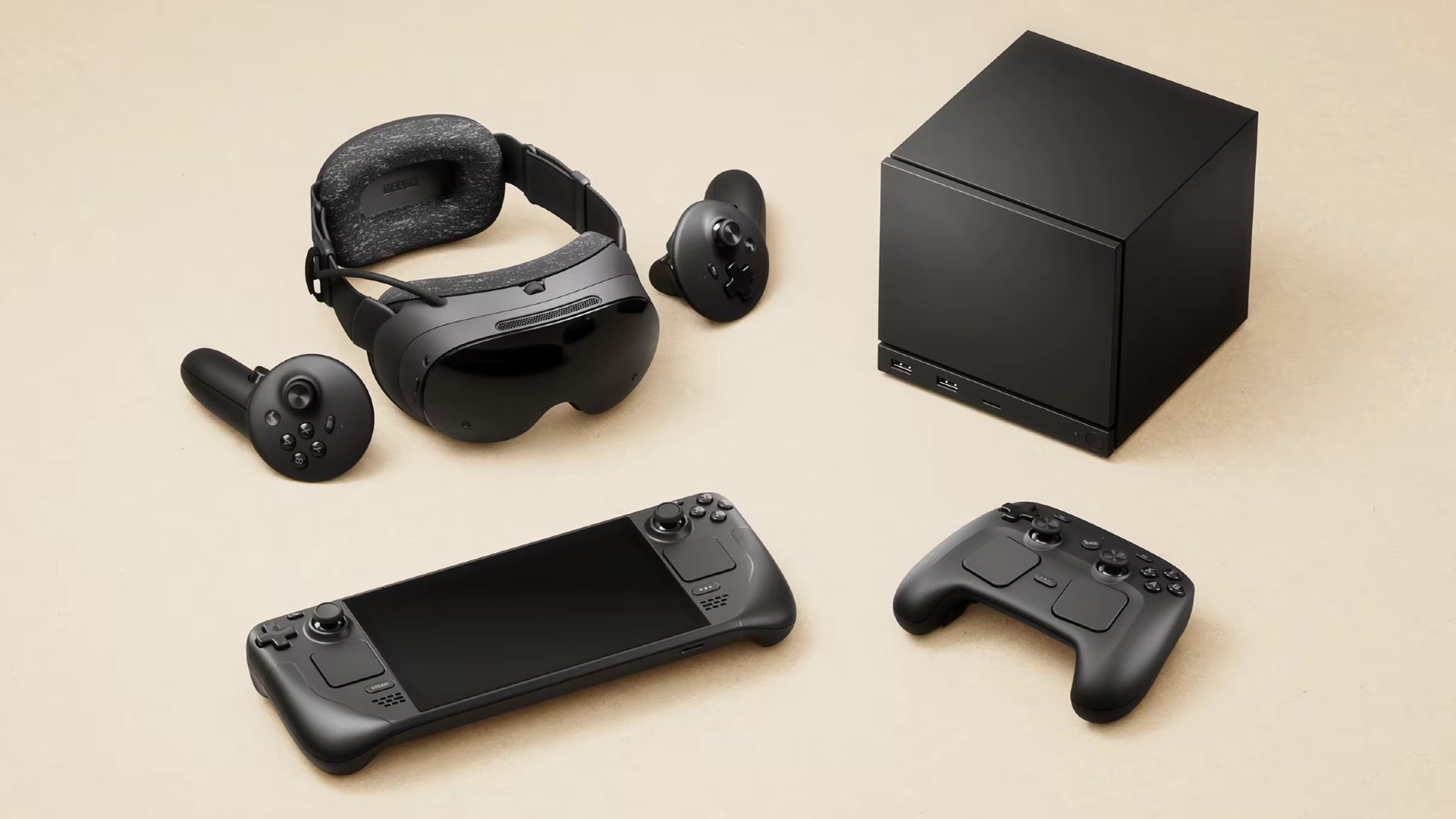
November 12, 2025 marks the date Valve dropped us a three-piece-and-a-soda type of combo (play for full effect): the Steam Hardware is a new, 3-part combination of platforms that consists of the revived Steam Machine, the cutting-edge Steam Frame VR headset, and an evolved Steam Controller.
Building on the massive success of the Steam Deck, this Steam powered (get it?) hardware lineup promises seamless integration across your gaming ecosystem, powered by the latest version of SteamOS.
Here’s the thing, though: there is no official price for now and, even with a large, 2026 release window confirmed, one question remains — will the Steam Hardware be worth your money? Well, we can’t say for sure yet, but we sure as heck will give all the info you need to make a decision later, so let’s break it all down, shall we?
Steam Hardware: The good, the bad, the ugly
The Steam Machine
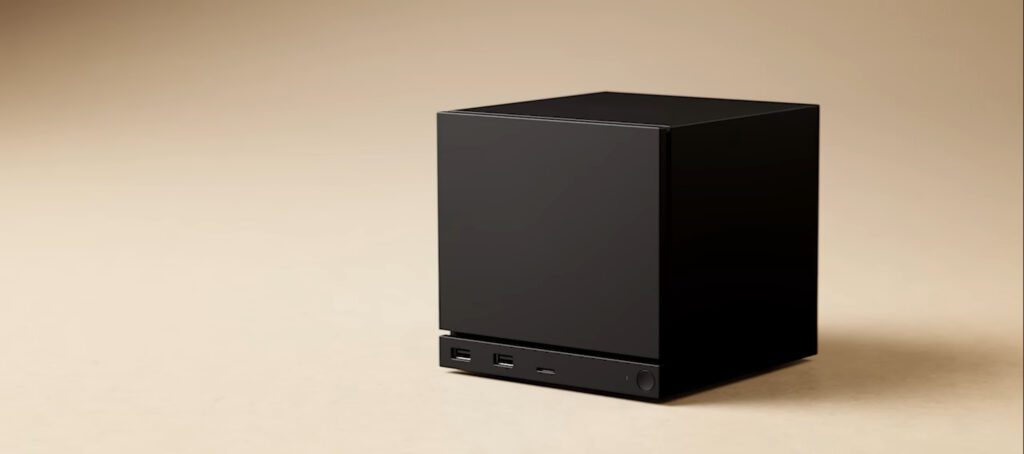
At the heart of the new steam hardware is the Steam Machine, a compact cube-shaped PC designed to bring high-end gaming to your big screen. Now, it is important to say that this isn’t just a revived version of the original, 2015 concept — Valve was careful enough to reimagine it as a “powerful, versatile PC gaming” solution that’s over six times more powerful than the Steam Deck.
Considering the capacity of the Steam Deck alone, this could mean something big.
Key specs of the Steam Machine include an AMD Zen 4 6-core CPU, a semi-custom AMD RDNA 3 GPU with 28 compute units (comparable to mid-range desktop cards), 16 GB of RAM, and 8 GB of dedicated VRAM, which should be enough to run titles like Baldur’s Gate 3 or Black Myth: Wukong on max settings (sans ray tracing, most likely).
Storage options start at 512 GB and go up to 2 TB, with ports like USB-C, HDMI 2.0, DisplayPort, and microSD for easy expansions and transfers. It runs SteamOS for that familiar interface, supports up to four controllers, and features quiet cooling with a single 120 mm fan. The Steam Machine, says Valve, excels in 4K gaming at 60 FPS with technologies like FSR, making it ideal for couch co-op or solo sessions for you visual freaks out there.
However, like we said, with no price to speak of, the Steam Machine is already a target for speculation, with some outlets gauging it at $650 or $750 based on similar compact PCs. If priced competitively, it could challenge traditional consoles, but higher costs might limit its appeal to hardcore PC enthusiasts.
Steam Frame
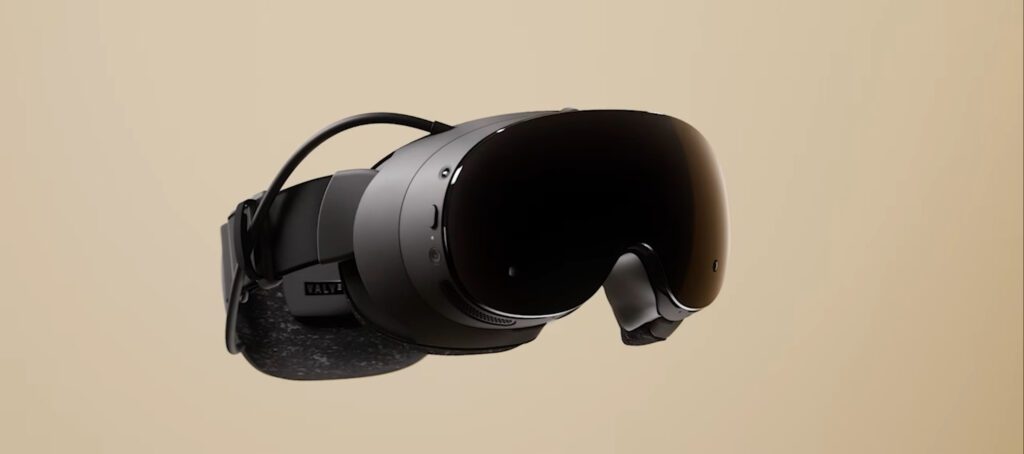
Shifting to immersive experiences, the Steam Frame stands out as Valve’s answer to modern VR demands. This lightweight (435 grams) headset is wireless, standalone, and capable of streaming your entire Steam library—VR and non-VR games alike—via a 6 GHz dongle for low-latency PC connectivity.
Powered by a Qualcomm Snapdragon 8 Gen 3 SoC with 16 GB RAM and storage options of 256 GB or 1 TB, it boasts pancake lenses, 2160 x 2160 resolution per eye, up to 110° field of view, eye tracking for foveated rendering, and inside-out tracking with four cameras that work even in low light. The modular design includes a detachable strap with integrated battery and speakers, plus an expansion slot for future upgrades.
Much like the Steam Machine, however, a price for the Steam Frame hasn’t been announced, so community estimates suggest anything between $600 to $1000, which would position it in direct competition against the likes of Meta Quest 3.
The final cost could make it a steal for Steam users, especially with its emphasis on comfort and broad game compatibility. However, the lack of initial passthrough features might deter those seeking mixed reality experiences.
The New Steam Controller
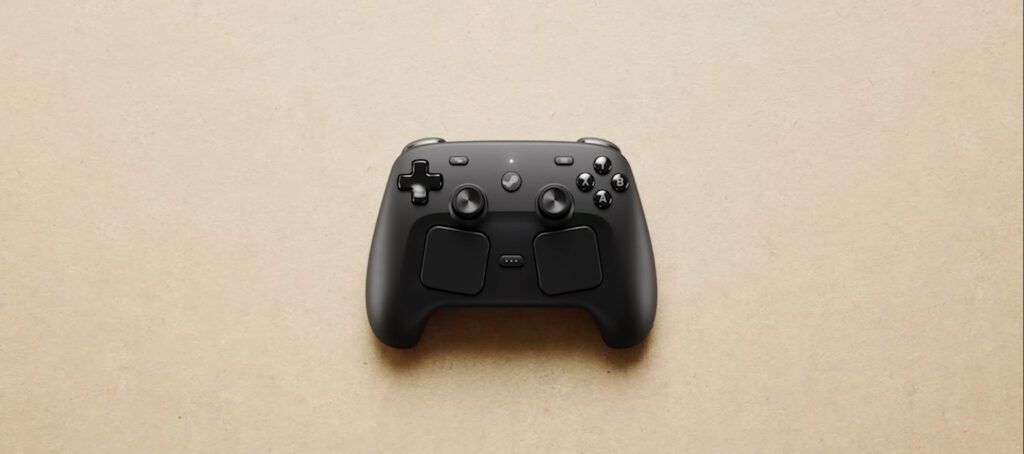
Rounding out the lineup is the updated Steam Controller, an ergonomic evolution that borrows from the Steam Deck’s design, featuring next-gen TMR (Tunnel Magnetoresistance) thumbsticks to prevent drift, full-sized controls, trackpads, gyro sensors, and grip buttons for customizable inputs.
With over 35 hours of battery life, connectivity options like 2.4 GHz (via an included puck for up to four controllers), Bluetooth, or USB-C, it’s compatible with PCs, the Steam Deck, Steam Machine, and Steam Frame. Not only that, but it also can double as a mouse replacement with gyro-assisted aiming, making it perfect for strategy games or desktop navigation.
Valve aims for a competitive steam hardware price here, with guesses around $80 to $200. If it lands on the lower end, this could become a must-have accessory for the entire ecosystem.
Breaking down the (possible) Steam Hardware prices
One of the most searched aspects post-announcement is the Steam Hardware prices. Valve has kept details tight, promising more info after the New Year’s. Based on expert analyses and community forums, here’s a speculated breakdown:
| Device | Speculated Price Range | Key Factors Influencing Cost |
|---|---|---|
| Steam Machine | $500 – $1,000 | AMD Zen 4 CPU and RDNA 3 GPU components; compact design; storage variants (512GB–2TB); positioned to compete with PS5/Xbox at $500–$600, but higher for premium builds. |
| Steam Frame | $400 – $1,200 | Snapdragon 8 Gen 3 SoC; advanced VR optics and modularity; comparisons to Quest 3 ($499–$649) suggest lower end, while premium features like eye tracking push toward Index-like $999–$1,200 (potentially including controllers). |
| Steam Controller | $50 – $200 | TMR thumbsticks and gyro tech; battery life and multi-device compatibility; often compared to console controllers ($50–$70), with higher estimates for advanced features akin to pro models. |
These figures account for potential tariffs, AI-driven hardware shortages, and Valve’s history of competitive pricing. The overall steam hardware prices could bundle options, like pairing the Steam Machine with a controller, to sweeten the deal.
Our take: is this New Steam Hardware worth it?
The Steam Hardware trio seems poised to bridge portable, stationary, and VR gaming, with strong integration that could appeal to Valve’s most stern loyalists. And much like everything Valve-related, the fact that this system is designed to be open to non-Steam applications might also prove a major draw for buyers in the future.
Its specs are solid, although not top notch. You can find better configs in our Deals page, for instance, and we ain’t all about the main hi-end brands either, so there’s that. Still, the Valve’s forward-thinking truly shines on integration and innovative designs, emphasizing comfort and expandability.
So what’s the problem? Well, the price, obviously. Since all we have in that department is pure speculation, Valve could pull the rug from under us and announce a hefty tag, which would drive away buyers. There are, in fact, some people already thinking that’s the case since the company is choosing to skip major, commercial dates like Black Friday (November 28th), Cyber Monday and the entire month of December for the Holiday Season.
In layman’s terms: Valve’s notion of skipping those dates might be a signal that it plans to overcharge, and an earlier announcement could drive end year sales down to a slump and make the whole trio fail spectacularly.
On the other hand, the damn thing was just announced, so it behooves the thought that Valve is still polishing its final development in order to hand us a finely tuned product. I mean, that seems to be as good an excuse as any nowadays…
If you are invested in the Steam ecosystem as a whole, it might be worth keeping an eye on the Steam Hardware platforms — especially if Valve confirms unitary prices and discounted tags for combo purchases. So far, early reception has been great, and some hands-on with the device — IGN and Digital Foundry, to name a few — do point out some cool qualities.
Who knows: it could be that, by 2026, not only the “PC master race” has a console platform for its own, but one that might actually threaten Sony, Microsoft and Nintendo all at once.
And what about you? Tell us what you think in the comments!