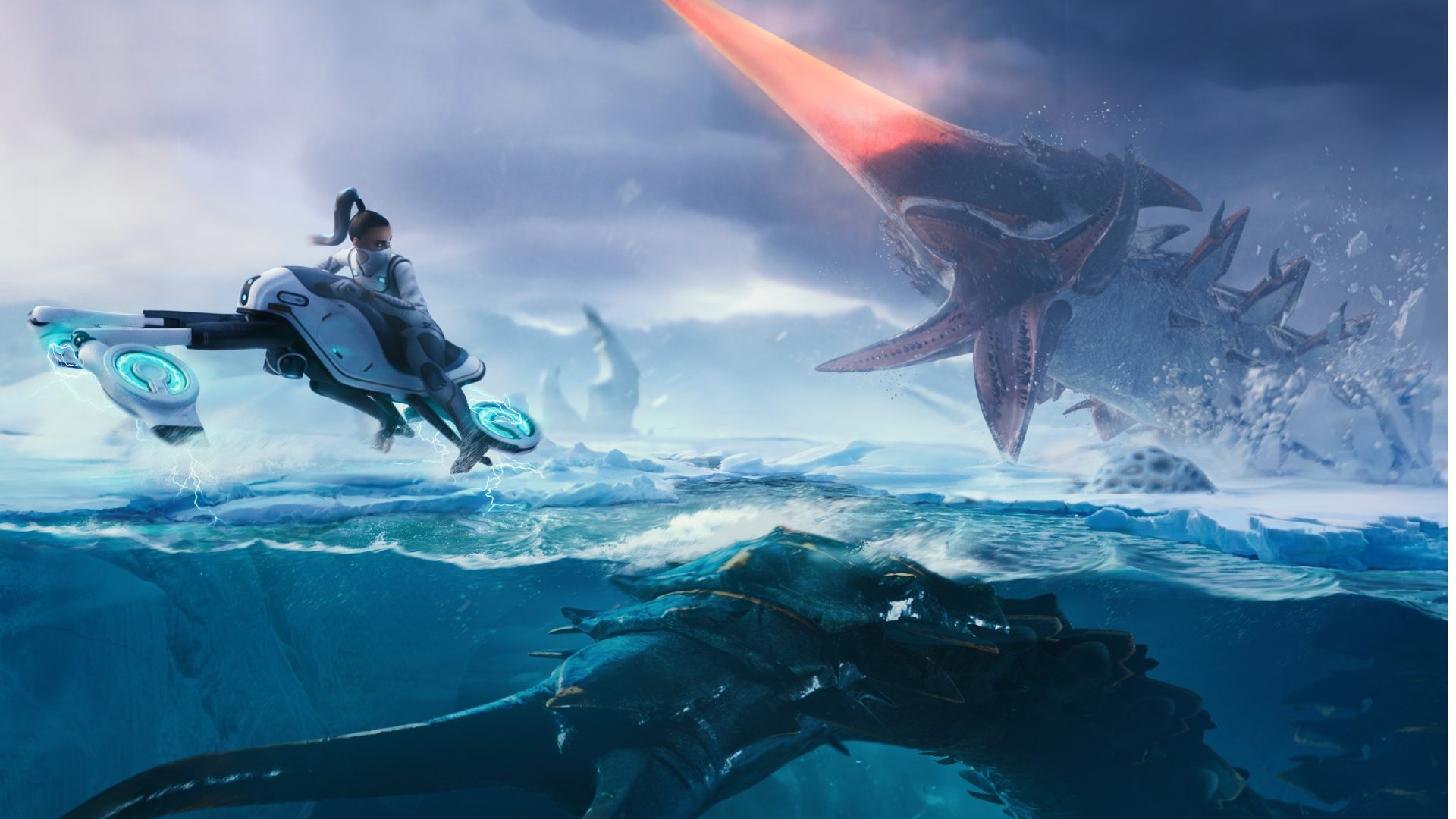
The release of Subnautica 2 on May 14th has been met with immediate commercial success, achieving sales of four million units in its inaugural week. Not that this is unexpected, of course: given the success of the first game and the fact that this sequel builds on the established formula of its predecessor, calling it a “success” feels like an understatement.
Now, Subnautica 2 is not a small game, and it can take you somewhere between 15 and 30 hours to beat, if you’re a casual player or a completionist, but it will eventually end. And then, your craving for scary stuff jumping at the screen and chasing you will be uncared for.
Unless, you follow along on our list of games that cater specifically to those mechanics. Read on and find out which ones we chose for you.
No Man’s Sky
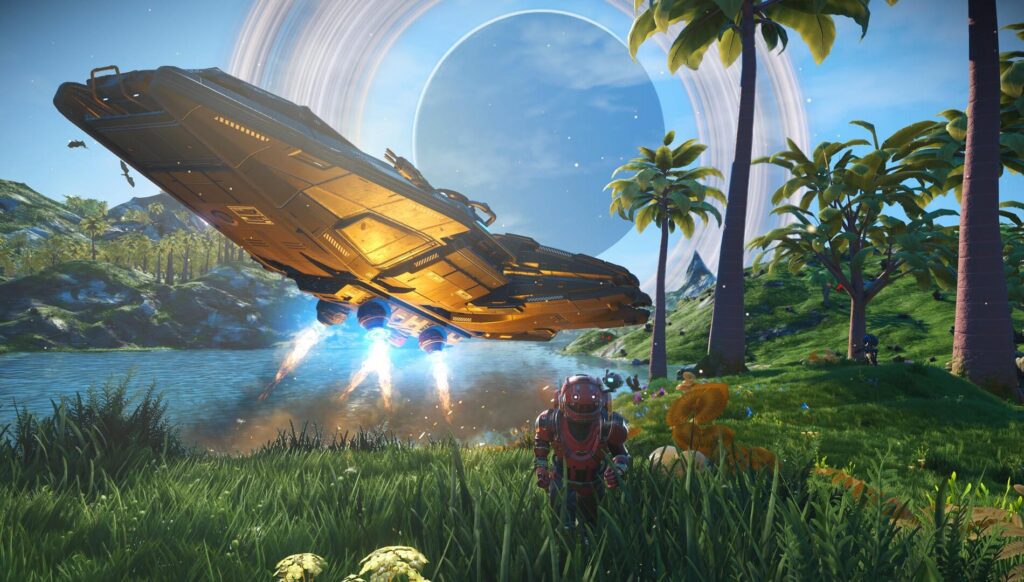
Originally released in 2016 by Hello Games, No Man’s Sky has undergone a decade of refinement and expansion. It came out as a disappointment—a clear case of overpromising and underdelivering, which left a sour taste in the fans’ mouths. Many updates, patching and expansions later, it became another game entirely when the updates hit the PC, PlayStation 4, PlayStation 5, Xbox One, Xbox Series X/S, and Nintendo Switch.
Unlike Subnautica 2’s ocean, however, No Man’s Sky takes you to space, portraying a procedurally generated galaxy that evolves as you explore it, adapting to your playstyle in a way that keeps the game challenging, but not annoyingly difficult.
Granted, this has no jump scares or moments of fear like Unknown Entertainment’s recent release—it is entirely focused on the exploration aspect—but No Man’s Sky boasts tons of races for you to discover, each with several lifeforms, flora and worlds to catalog and register.
It is true that No Man’s Sky has the “Abyss” update, which brought aquatic worlds and biomes, adding five times more variety to marine environments and introducing unique deep-sea predators. Now, the game has become an all-around exploratory endeavor, taking you to pretty much every possible environment you can think of.
Subnautica: Below Zero
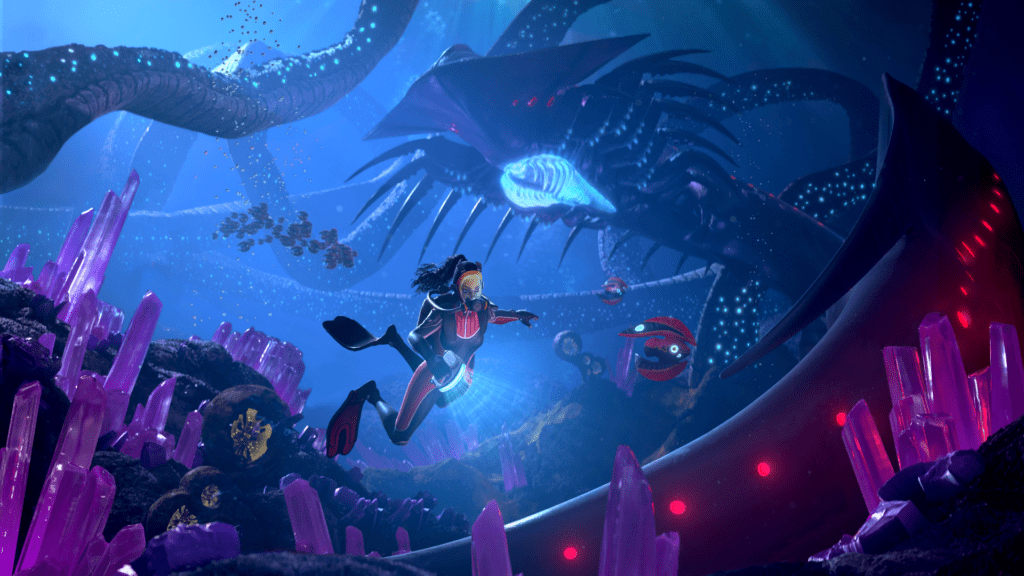
We couldn’t neglect Subnautica: Zero. As a direct standalone expansion to the original game, this 2021 release from Unknown Worlds Entertainment was made available on PC, PlayStation 4, PlayStation 5, Xbox One, and Xbox Series X/S, and it retains the beloved mechanical foundations of the series while shifting the setting to a frozen arctic region of planet 4546B.
The game introduces biomes, vehicles, and creatures adapted for the cold, alongside a more character-driven narrative and increased land-based exploration. It remains an essential recommendation because it utilizes the exact survival systems—such as oxygen management and environmental storytelling—that define the series’ identity.
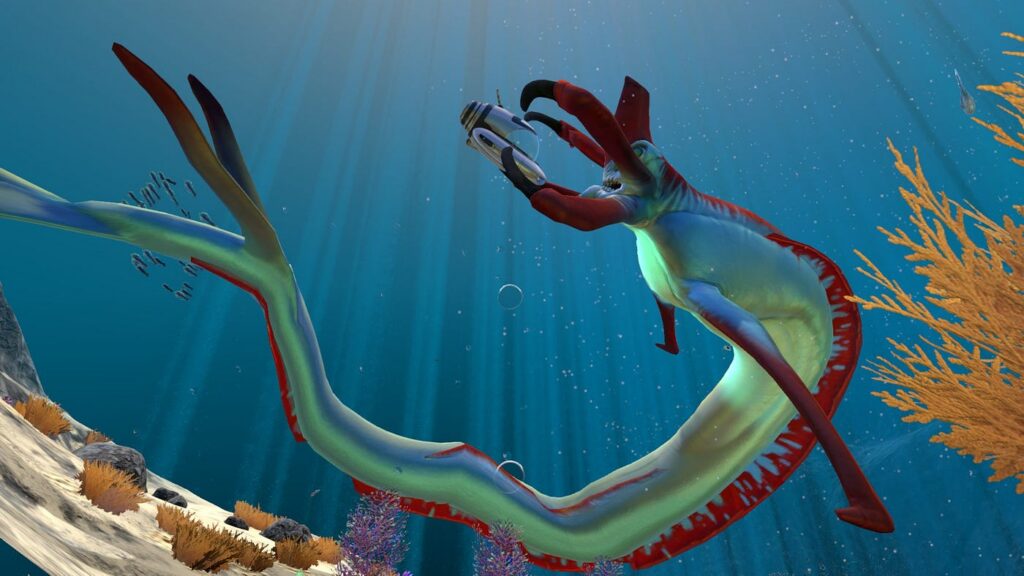
And yes, there are Leviathans on ice. If you know, you know.
Breathedge
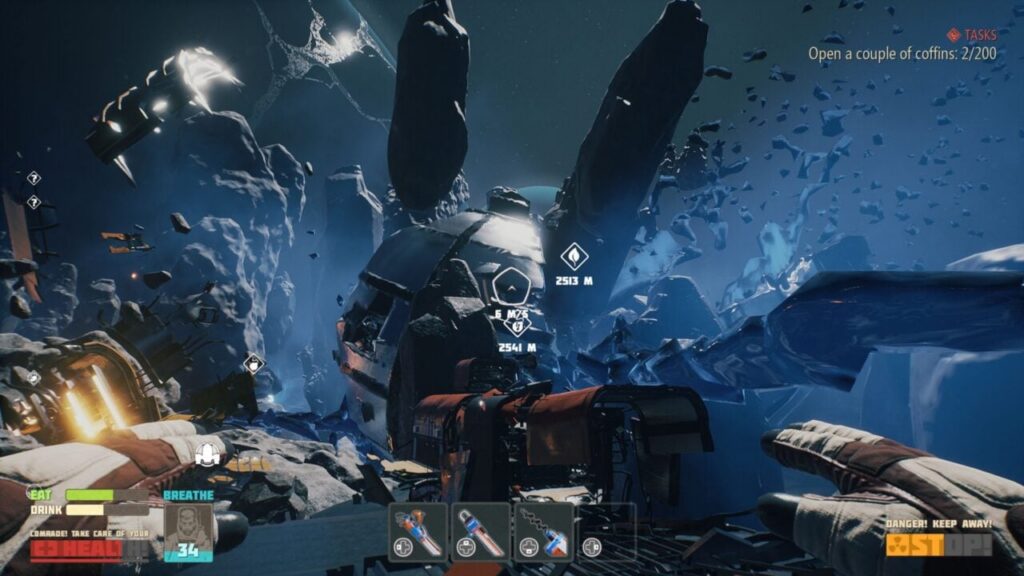
Released in 2021 by RedRuins Softworks, Breathedge is a space survival simulation available on PC, PlayStation 4, Xbox One, and Nintendo Switch. Frequently described as “Subnautica in space,” it begins with the player stranded amidst wreckage after a catastrophic ship disaster in the void.
The survival loop mirrors the tension of diving, as you must leave your small bubble of safety to scavenge materials while strictly limited by a ticking oxygen supply. As the game progresses, it becomes possible to craft advanced tools and eventually build massive space habitats and vehicles to explore further into the debris field.
And the dark comedy and irony are both amazing, often mocking the seriousness of the survival genre as a whole, a playful yet effective nod to the studio’s writing chops. While the latter half of the story shifts toward a more linear narrative path, the initial survival phase captures the risk-and-reward cycle of managing resources in a lethal, isolated environment.
The Planet Crafter
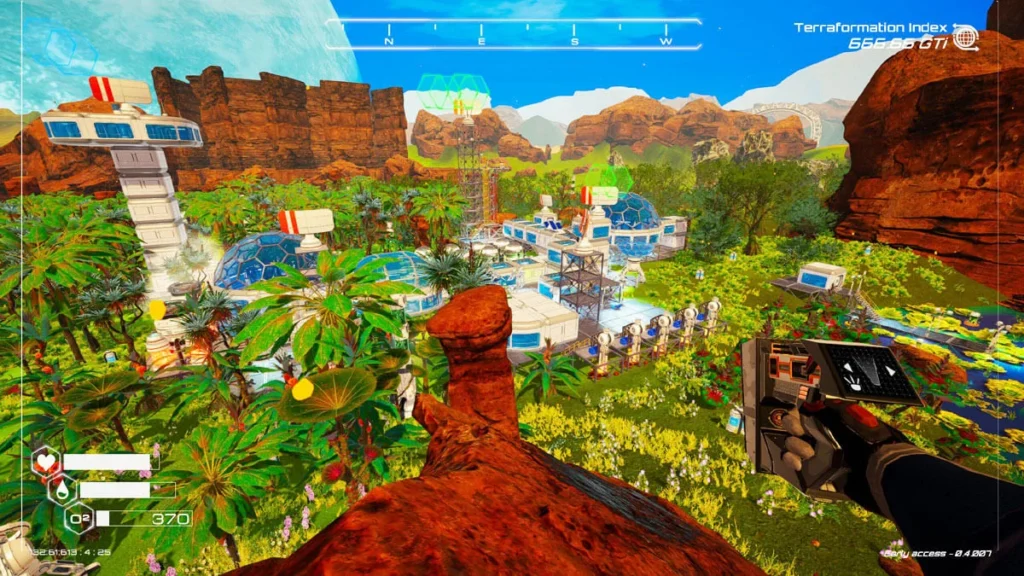
The Planet Crafter is a constructive survival crafting experience from Miju Games that hit its full 1.0 release on PC in 2024. Rather than exploring an ocean, you are dropped onto a barren planet and tasked with terraforming it into a habitable world by building machines that increase heat, pressure, and oxygen.
Yeah, there is a Matt Damon movie with a similar premise. We know.
The Planet Crafter’s main draw is the visible world progression; as players meet terraforming milestones, the atmosphere changes, water appears, and vegetation begins to grow. It shares the core Subnautica loops of resource gathering and base construction but focuses on the satisfaction of watching a dead world come to life through the player’s own handiwork.
The Long Dark
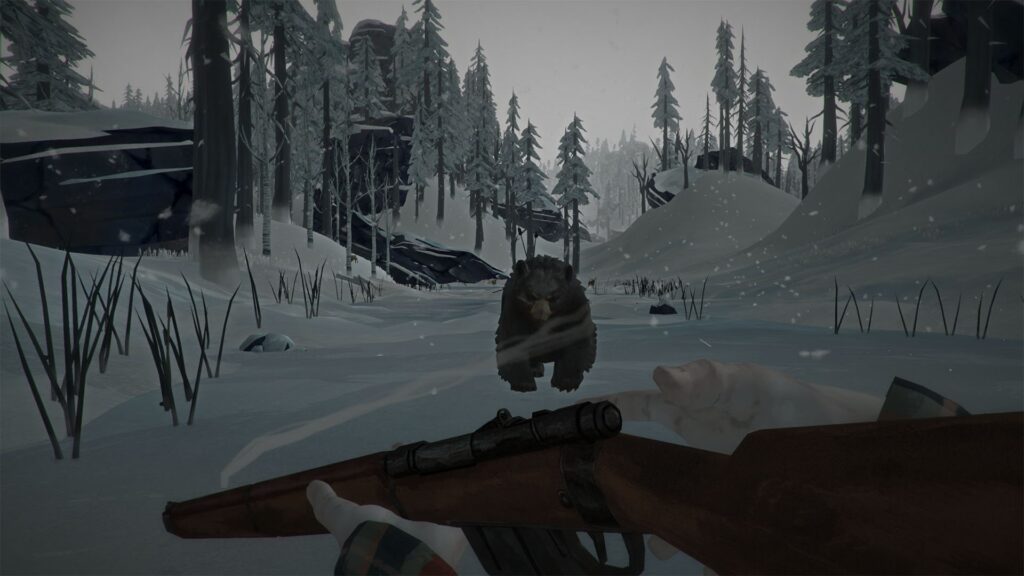
First reaching its full release in 2017 from Hinterland Studio, The Long Dark is a hardcore survival experience available on PC, PlayStation 4, Xbox One, and Nintendo Switch. It trades sci-fi for a “man vs. nature” struggle in the Canadian wilderness, where players must manage calories, body temperature, and wood supplies to survive a “silent apocalypse”.
The title is notably atmospheric, utilizing a hand-painted art style to create a sense of isolation that is only broken by the howl of wolves or the sound of the wind. Much like exploring deep ruins, players find notes and data logs that provide grim context to the desolate, snowy landscape.
Progress is often measured in days survived, and the lack of traditional technology makes every found resource feel incredibly precious. It captures the same feeling of vulnerability and the necessity of planning every move that makes underwater exploration in the Subnautica series so tense.
And there is a whole series of it, too, as there are some pretty big expansions—so big they feel like their own games, like The Long Dark: Wintermute and The Long Dark: Tales From The Far Territory, besides the full on sequel, Blackfrost: The Long Dark 2.
Raft
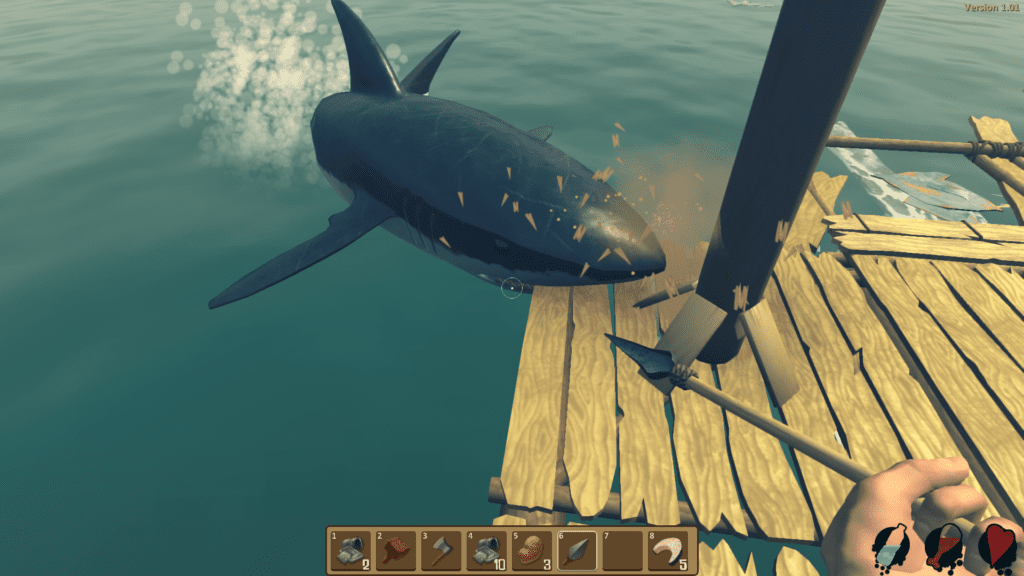
Probably one of the most well-known titles in our list, Raft, developed by Redbeet Interactive and Axolot Games, reached its full 1.0 release on PC in 2022. You start on a tiny wooden platform in a vast sea and must use a plastic hook to pull debris from the water to gradually expand their raft into a complex, multi-story base.
Obviously, the sunny visuals are just a ruse, as the game quickly introduces you to a persistent shark that forces you to balance your attention between gathering resources and defending your floating home.
Of course, there are other threats—the Lurkers, Screechers and even the Butler Bots come to mind—but those are like appetizers compared to the main threat. While you can kill the shark, it is the only to respawn solely to keep chasing you across all islands, also nabbing your base’s foundations and forcing you into the water, where he is the kingly predator.
Pacific Drive
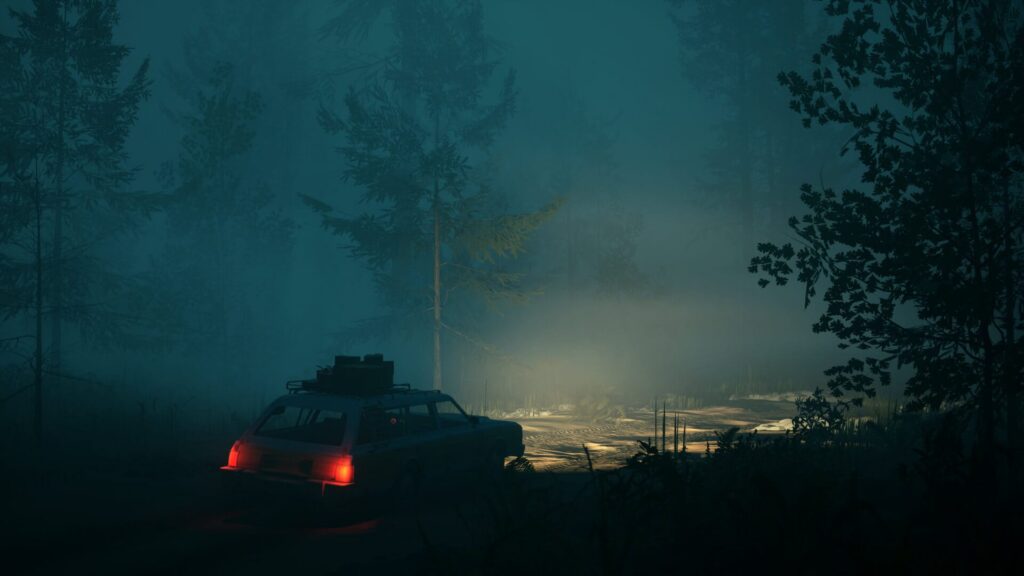
Released in early 2024 by Ironwood Studios and published by Kepler Interactive (the same from last year’s GOTY, Clair Obscur: Expedition 33), Pacific Drive is a paranormal survival game for PC and PlayStation 5. Set in the Olympic Exclusion Zone, the title tasks players with keeping a station wagon running while exploring unstable, anomaly-filled landscapes.
The loop of setting out from a garage base to explore new zones and returning with resources to upgrade the car mirrors the vehicle-based progression of the Subnautica series. Much like pilotable vessels in the ocean, the car requires manual interaction—from turning the key to shifting gears—and serves as the player’s primary lifeline in a hostile world.
The car effectively becomes a character that players must bond with and maintain to survive increasingly dangerous “depths” of the zone. While it leans into surrealism and horror, the loop of researching technology and pushing further into the unknown creates a strikingly similar psychological rhythm to deep-sea diving.
Forever Skies
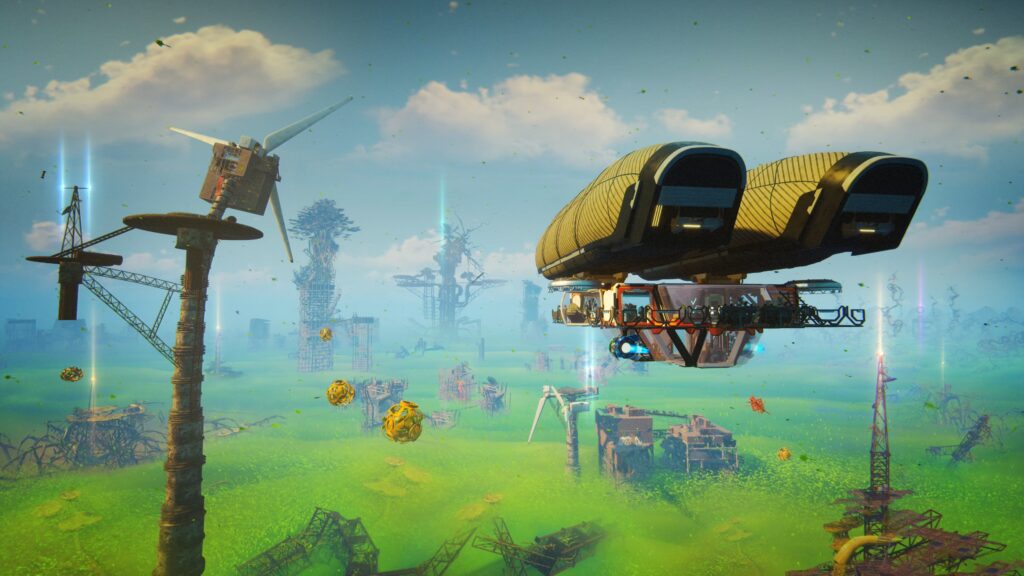
Currently in early access with a full release planned for 2026, Forever Skies by Far From Home takes survival to the toxic clouds of a ruined Earth. Players pilot a highly customizable airship that functions as a mobile base, research lab, and storage hub on PC, PlayStation 5, and Xbox Series X/S.
The gameplay focus is on docking at skyscrapers to scavenge for resources and scanning lost technology to upgrade the airship’s capabilities. The feeling of stepping off the safety of the airship into a precarious high-altitude environment effectively mirrors the tension of a deep-sea dive.
Grounded 2
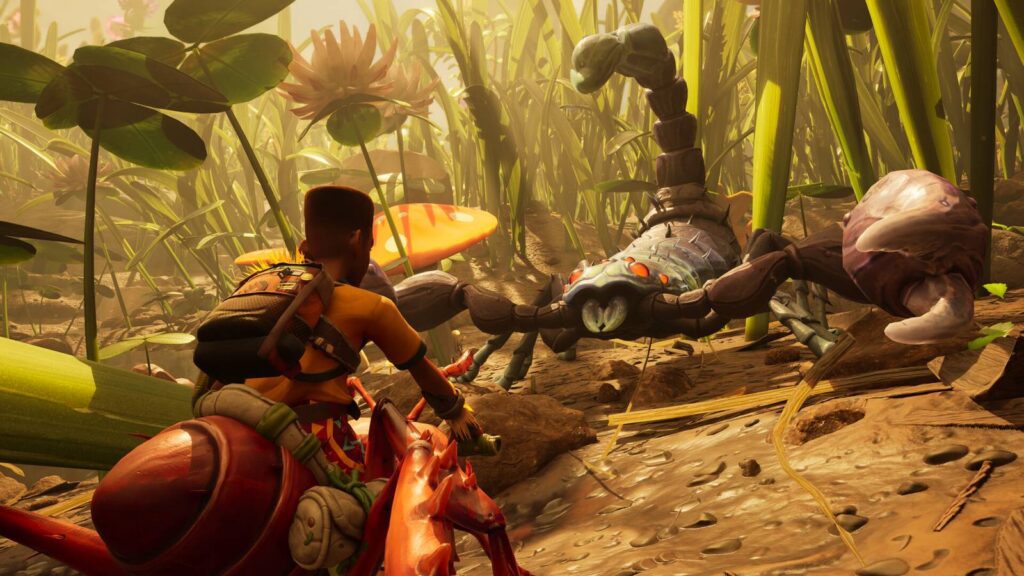
Grounded 2, developed by Obsidian Entertainment and Eidos-Montreal, entered early access in 2026 for PC and Xbox Series X/S. It provides a unique survival perspective by shrinking players down to the size of an ant in a dense park setting where insects like spiders become lethal predators.
The title features deep base-building mechanics and a central story that guides players toward finding a way to return to their normal size. While it leans less into thalassophobia and more into adventure, the sense of wonder in discovering “massive” everyday objects from a tiny perspective provides a similar sense of discovery to that of an alien ocean.
Progression-gated exploration is a core element, as players must craft better armor and weapons from insect parts to survive in more dangerous backyard zones. This mirrors the technology-based gates found in the Subnautica series, where new equipment is required to enter deeper, more hostile areas.
Valheim
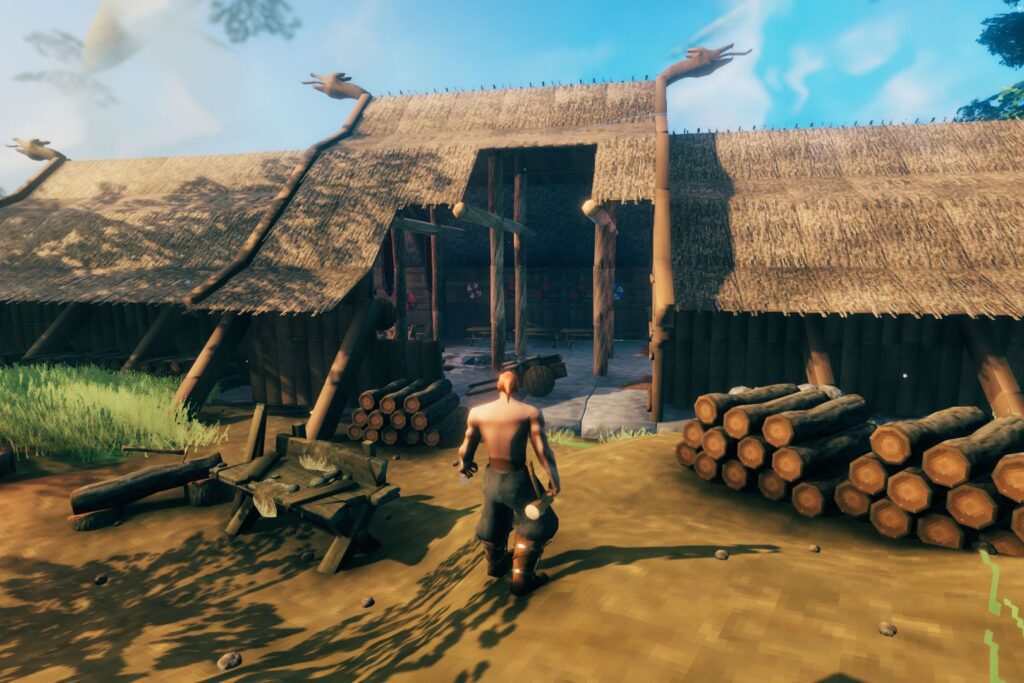
Valheim is a Viking-themed survival title from Iron Gate Studio and Coffee Stain Publishing that has been a success on PC and Xbox since its 2021 early access launch. Players explore a procedurally generated afterlife, defeating ancient bosses to unlock new materials for better gear and more complex construction.
The game’s physics-based building system requires proper structural support for Viking longhouses, adding a layer of engineering to the survival loop. It successfully captures an “atmosphere of discovery,” particularly when players must sail across unknown oceans to haul rare ore back to their home base.
Final Thoughts
The survival genre in 2026 has its work cut out for it. Among Resident Evil releases that bring the fun but obvious tone, gameplay and progression, smaller games are the ones truly driving innovation by tugging into mankind’s very real phobias.
It is one thing to be scared of zombies. It’s another thing entirely to fear the deep ocean. One of those truly exists and we know next to nothing about it, after all.