
“Gaming” is not really a thing unless you have a chance to put every bit of hardware from a given platform to the test—the Steam Hardware even embraces that concept by giving you three different pieces of equipment that can be played separately, but it’s the synergy of them all brought together that will likely make the whole thing shine.
The point is, the evolution of video game hardware has often been defined by the peripherals that dared to step outside the box, and some of these devices did more than just expand gameplay: they captured specific cultural moments, turning solitary screen time into social, physical, and even creative movements.
Obviously, we have our best picks, and we have listed these 10 coolest video game accessories of all-time below. Check out to see if yours have made our list.
NES Zapper
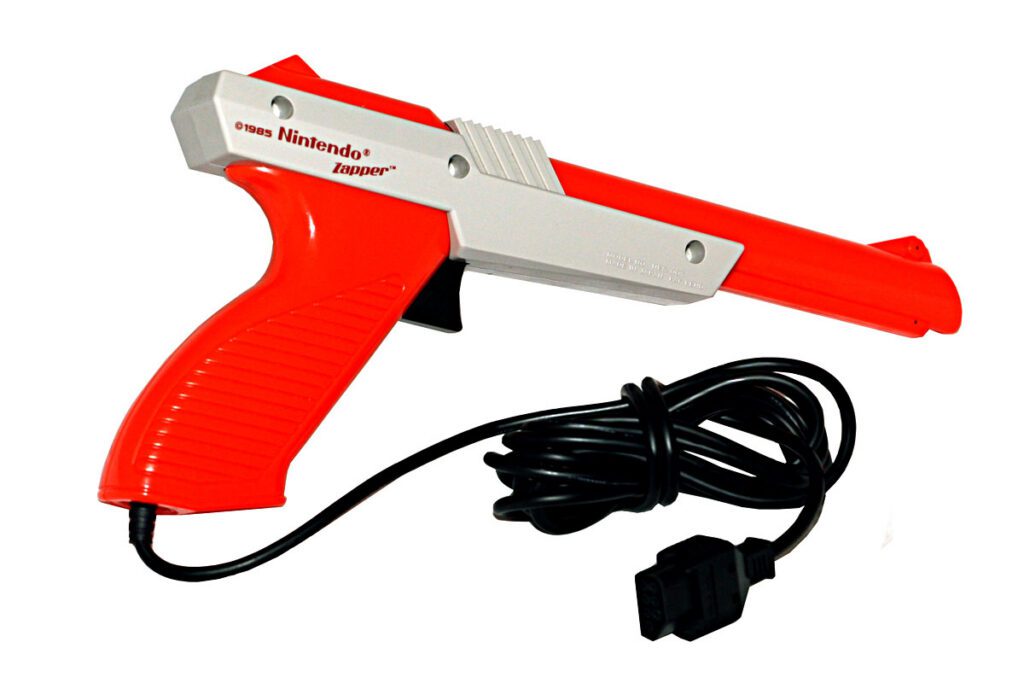
During the mid-to-late 1980s, as home consoles began to dominate the domestic toy market, the NES Zapper became a foundational piece of hardware for the 8-bit generation.
Designed to work exclusively with the cathode ray tube (CRT) televisions of that era, it used light-sensing technology to track player accuracy on the screen. While the light-gun shooter was a burgeoning genre, the peripheral achieved legendary status largely due to its inclusion with early console bundles alongside titles like Duck Hunt.
It allowed players to move beyond buttons, providing a physical sense of “aiming” that was revolutionary for the domestic gaming landscape of the time.
Game Boy Link Cable
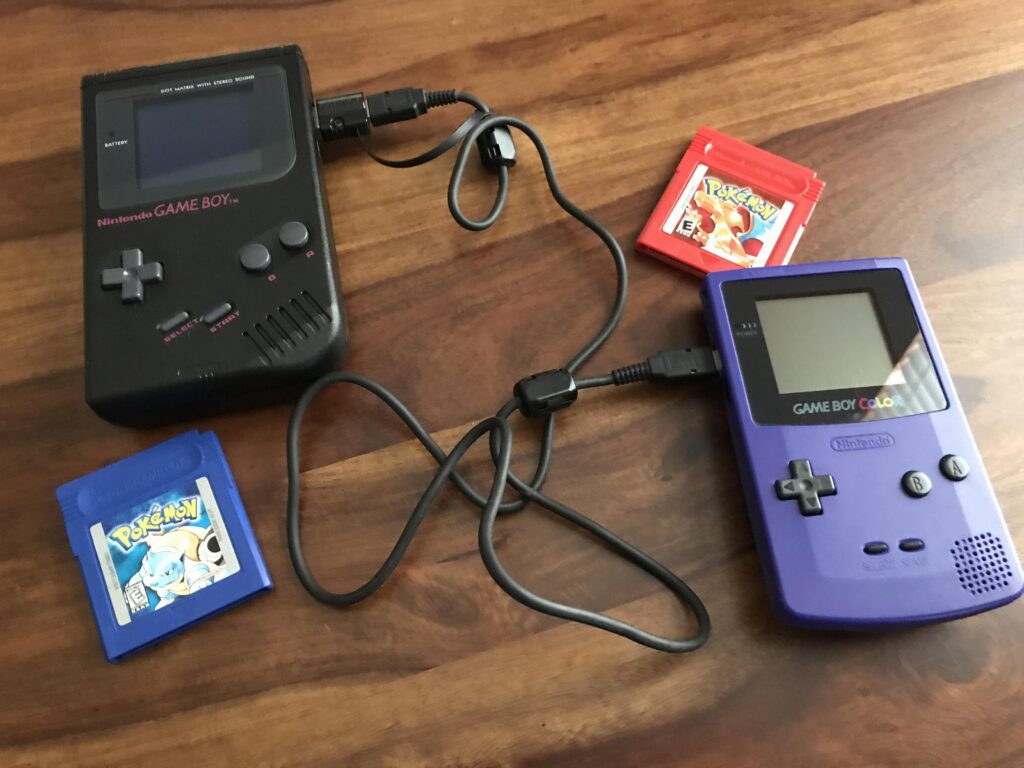
Today, we’re all able to exchange virtual goods and connect to other players through digital, hyper-connected platforms. But back in a time where social media was not rampant and live service features were nothing but a concept, the entire notion of connecting to other players was much more direct—and the Link Cable was the essential umbilical cord for that end.
Emerging as a vital accessory during the late 1980s and early 1990s, it allowed players to connect their devices for head-to-head competition or data sharing. Its most significant cultural impact arrived during the mid-to-late 1990s with the global phenomenon of the Pokémon franchise, specifically Pokémon Red and Pokémon Blue, since both games had exclusive monsters to each version, and the only way to actually catch the original 151 Pokémon was to use the Link Cable connection.
As a precursor to nowadays’ social platform interactions, the cable transformed the act of gaming from a solitary experience into a communal schoolyard activity—truly, the best way to live the “gotta catch ’em all” mantra.
There was a more contemporary version that allowed you to connect your Game Boy Advance to your Nintendo GameCube, but the Game Boy-to-Game Boy is the one people remember the most.
N64 Expansion Pak
The fifth generation of consoles is still talked about fondly to this date because it represented an yet-to-be-reproduced technological leap: before the Nintendo64 and PlayStation came into the picture, gamers were restricted to 2D environments and side-scrolling progression systems that, while fun, got old really fast.
Both consoles introduced the first functional leap to 3D, launching games with full depth environments that could be explored in 360 degree orientation. And soon enough, the then-beauty of it all became a major demand from players.
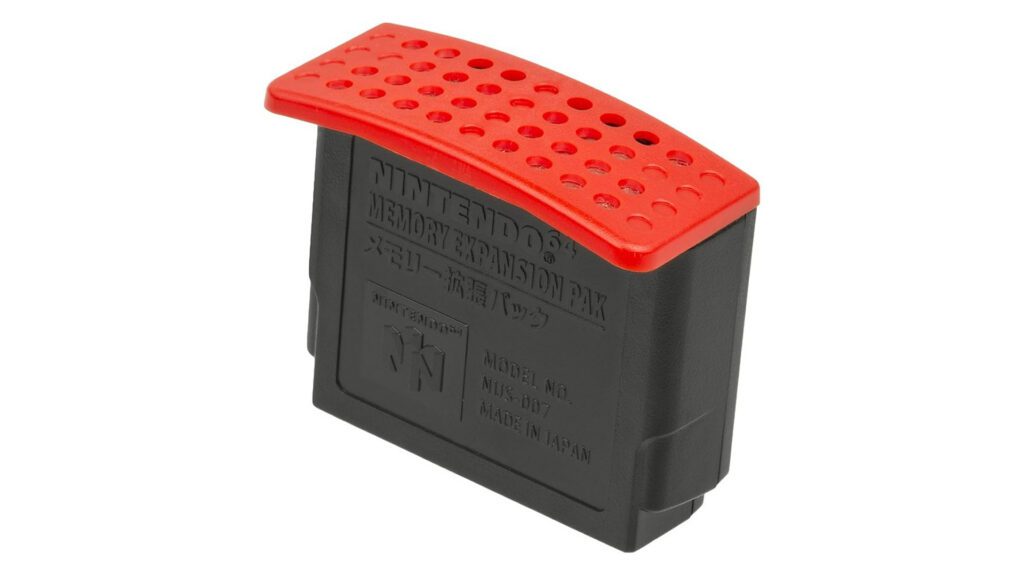
Enter the N64 Expansion Pak, a nifty-looking accessory that was inserted into Nintendo’s console’s expansion bay and doubled the system’s available RAM, moving it from 4MB to 8MB. Granted, such numbers are laughable in today’s terms, but this technical boost was luxurious back then: several of the era’s most ambitious projects had its use as a requirement, such as The Legend of Zelda: Majora’s Mask and Donkey Kong 64. You could still play those games without it, but an extra memory bump put both titles leagues beyond their regular counterparts.
Dreamcast VMU
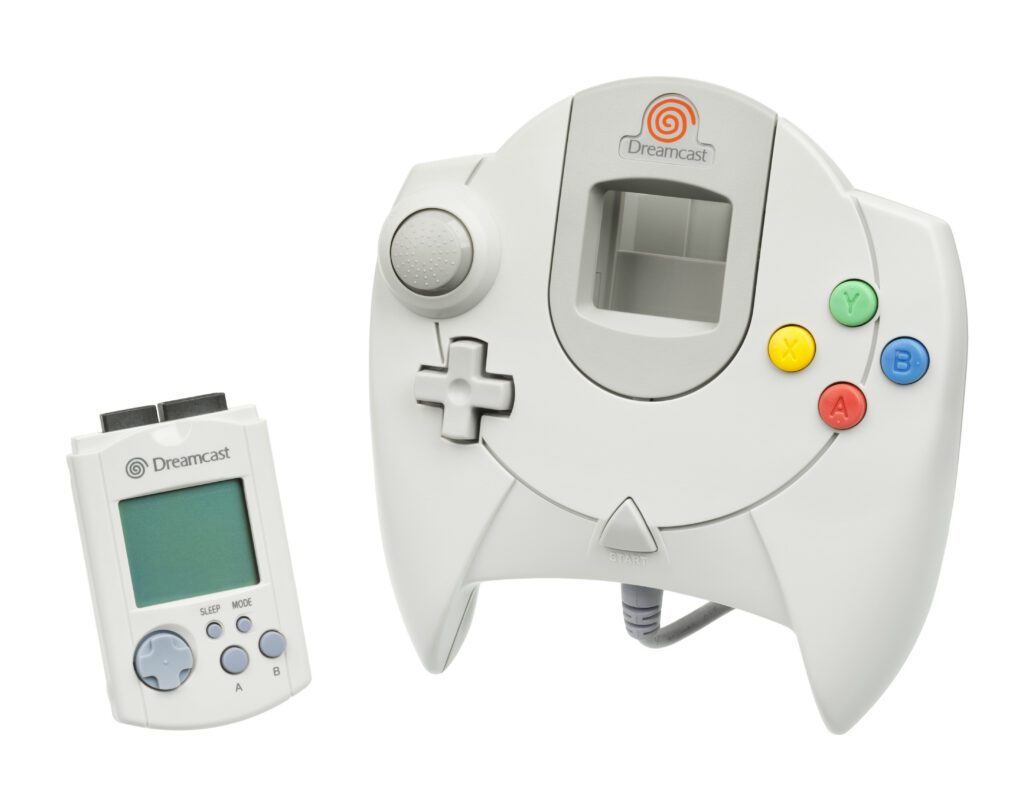
Way back when SEGA used to make consoles (before Microsoft joined the fray), the Sonic-maker introduced a memory card that was far more than a simple storage device. The Visual Memory Unit (VMU) featured its own monochrome LCD screen, a D-pad, and buttons, allowing it to act as both a portable mini-game player and an interactive second screen when docked into the controller.
If nowadays you can multi-screen several features on any given platform, the VMU has to be thanked for that in some capacity. This innovation allowed for unique gameplay mechanics, such as private play-calling in NFL Blitz or NBA 2K, which remained hidden from opponents.
Despite the short life of its host console (it obliterated SEGA’s hardware departments to the point of the company becoming a game publisher, exclusively, abandoning the console-making business entirely), the VMU’s legacy as a precursor to modern dual-screen gaming remains highly respected by enthusiasts.
Steel Battalion Controller

In the early 2000s, the push for “hardcore” realism led to the creation of one of the most imposing peripherals in history. The Steel Battalion controller was a massive deck designed exclusively for the mech-simulation Steel Battalion.
Featuring a whopping 40-button set, twin joysticks, and three foot-pedals, the device aimed to replicate the cockpit of a “vertical tank”. Because of its immense complexity and high price tag, it became a grail for collectors—PriceCharting lists it at an $800-$900 average.
It represented an era where developers were willing to gamble on extreme, niche hardware to provide a level of immersion that a standard gamepad simply could not offer.
Guitar Hero Controller
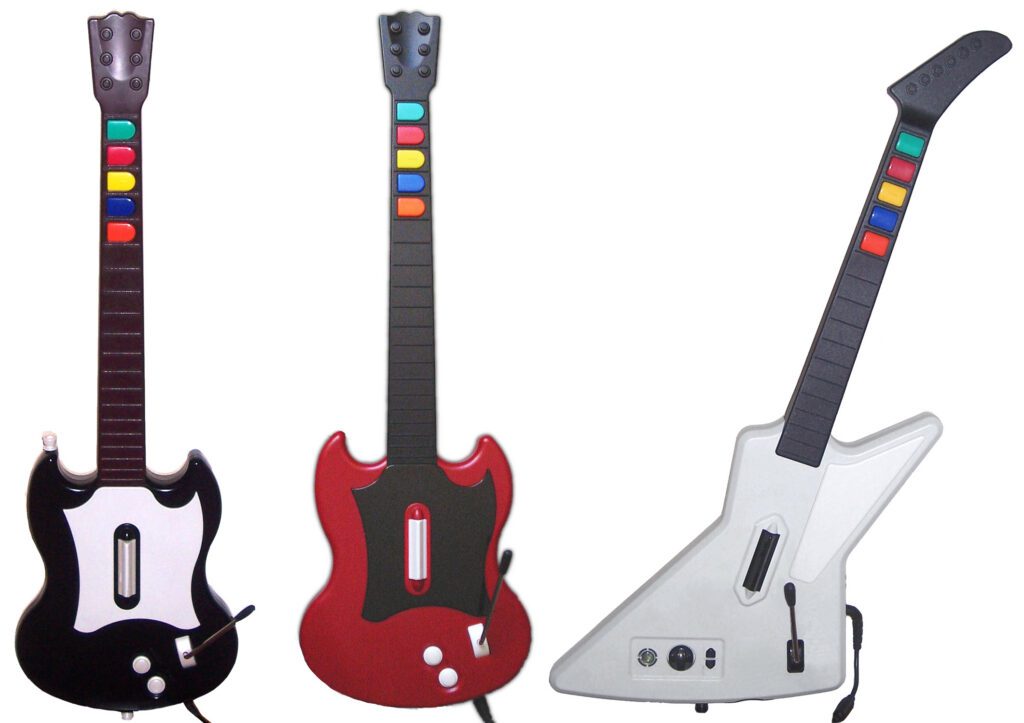
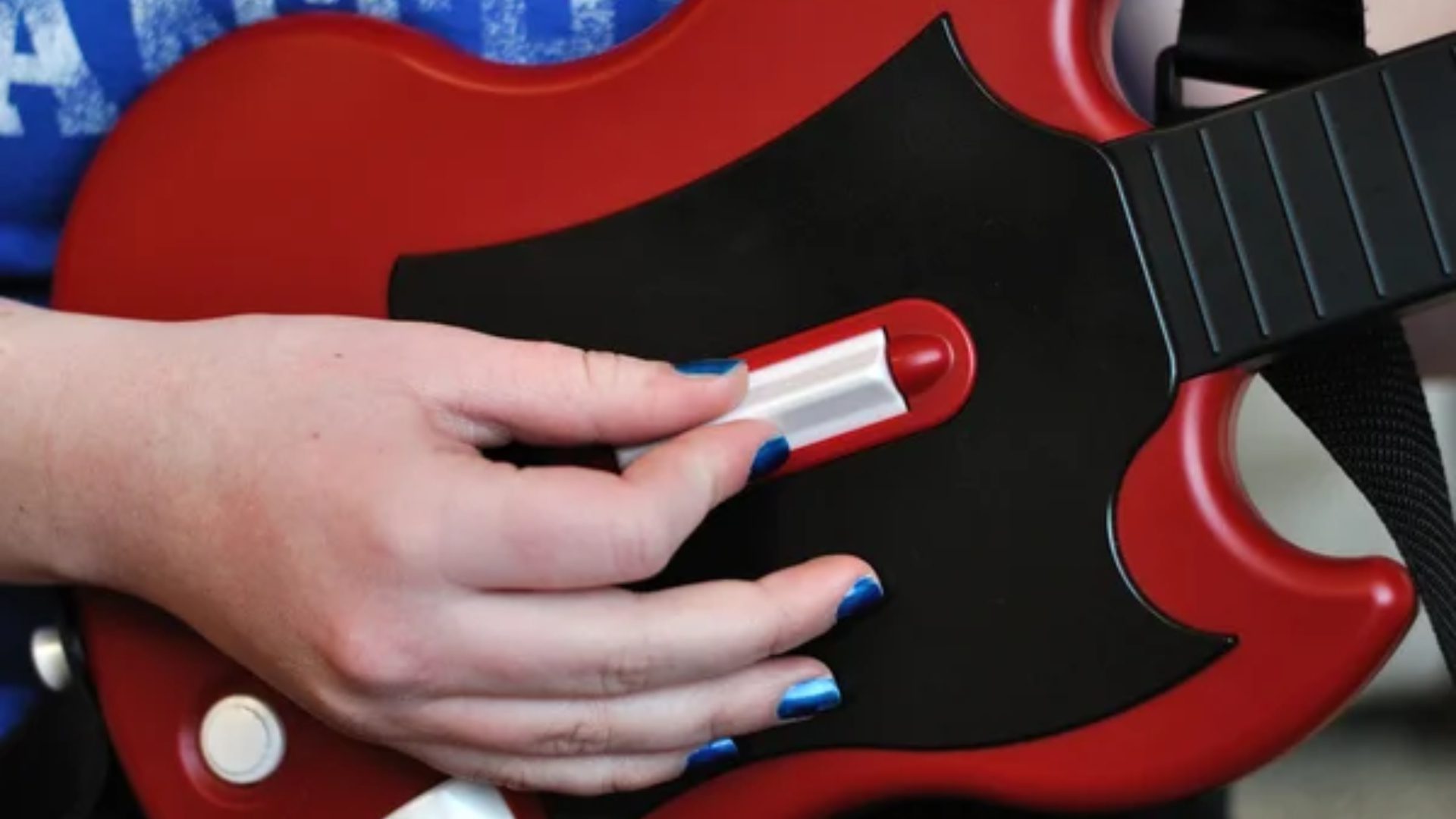
Boy, was this one a doozy. The mid-2000s saw a dramatic shift in mainstream gaming as plastic instrument peripherals turned players into virtual rock stars, and no other accessory translated that sentiment better than the Guitar Hero controller, particularly the wireless Les Paul model.
As rhythm-based games became that era’s pop-culture icon, this controller modeled after real-world Gibson guitars used five colored fret buttons and a strum bar to simulate musical performance.
The peripheral’s immense popularity helped Guitar Hero 3 become one of the most successful titles of its time, sparking a massive rhythm game craze that dominated social gatherings and parties for years, as everybody, from casual to hardcore gamers, organized get-together parties just for the opportunity to be a (virtual) part of Ozzy Osbourne and other rock and roll icons’ band.
Wii Wheel
The Nintendo Wii is still hailed as the one console that actually understood motion controls, as the whole hardware was based on that. Sure, the PlayStation 3 had the SixAxis and the Xbox 360 had…nothing, but we already talked about how those dropped the ball immensely. Nintendo, on the other hand, didn’t.
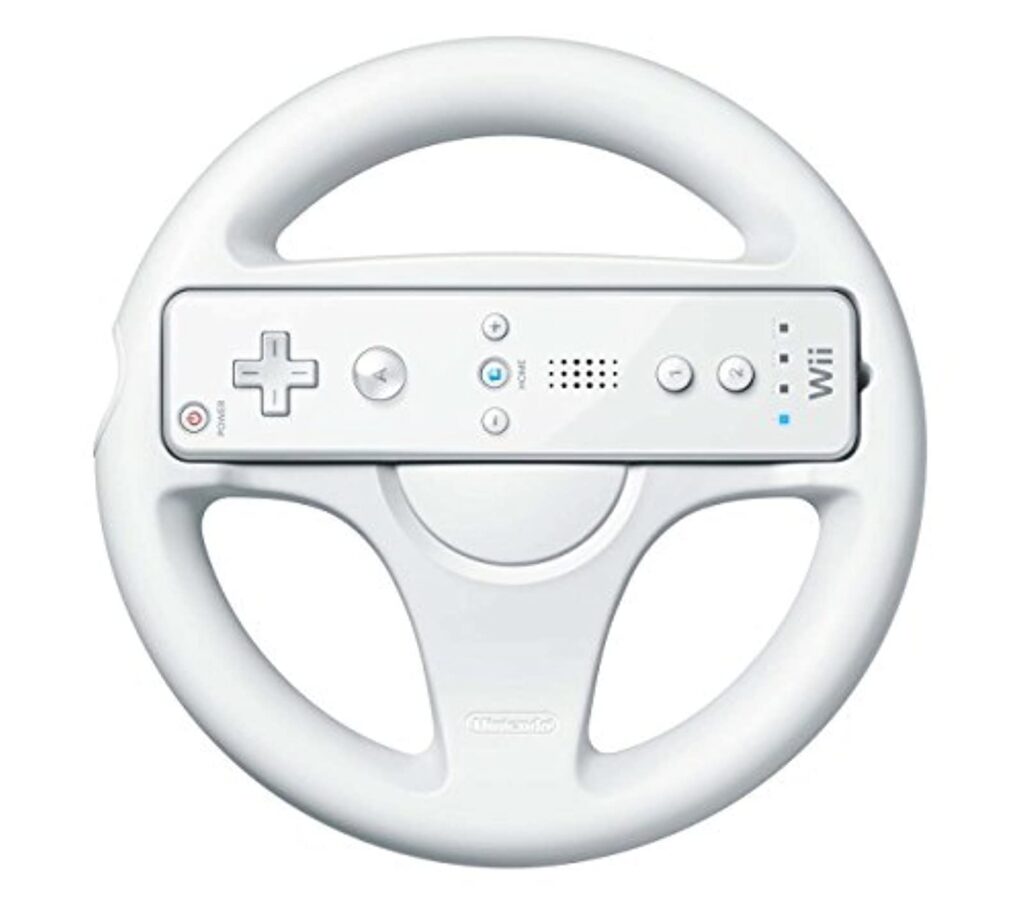
As motion-control technology revolutionized the industry in the mid-2000s, manufacturers sought ways to make these new inputs feel more natural. The Wii Wheel was a simple plastic shell that housed the standard motion-sensing remote, effectively turning it into a steering wheel.
While it didn’t offer the technical precision of high-end racing hardware, its accessibility was its greatest strength. It became synonymous with Mario Kart Wii, allowing non-gamers to participate in racing by using familiar physical movements, which helped the Wii reach a vast, non-traditional audience.
Wii Fit Balance Board
Still on our Wii-praise part of this list, the early 2000s saw Nintendo’s platform bet on several different concepts, seeking innovation through its console that was almost exclusively driven by motion controls and body interaction with its players.
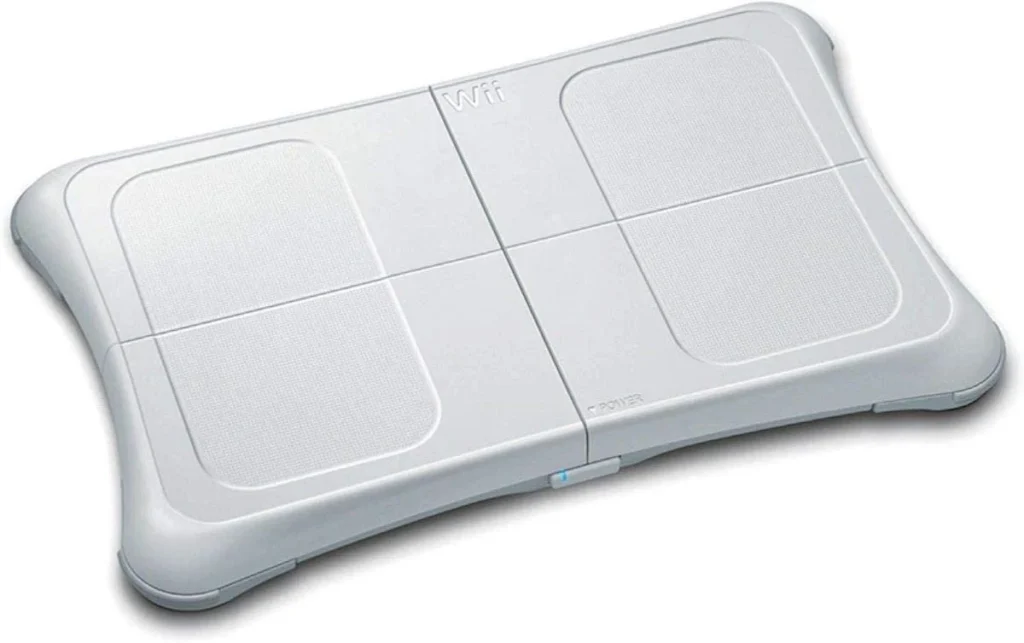
While several accessories were launched at the time, no other managed to capture the casual gamer and wellness enthusiast more than the Wii Fit Balance Board. This pressure-sensitive peripheral was capable of measuring a user’s weight and center of gravity, translating physical posture into in-game movements.
Used primarily with Wii Fit and Wii Fit Plus, the board made yoga, strength training, and balance exercises feel like entertainment. It remains one of the most successful examples of “exertainment,” a trend that combined physical activity with digital rewards to motivate millions of people.
Game Boy Camera
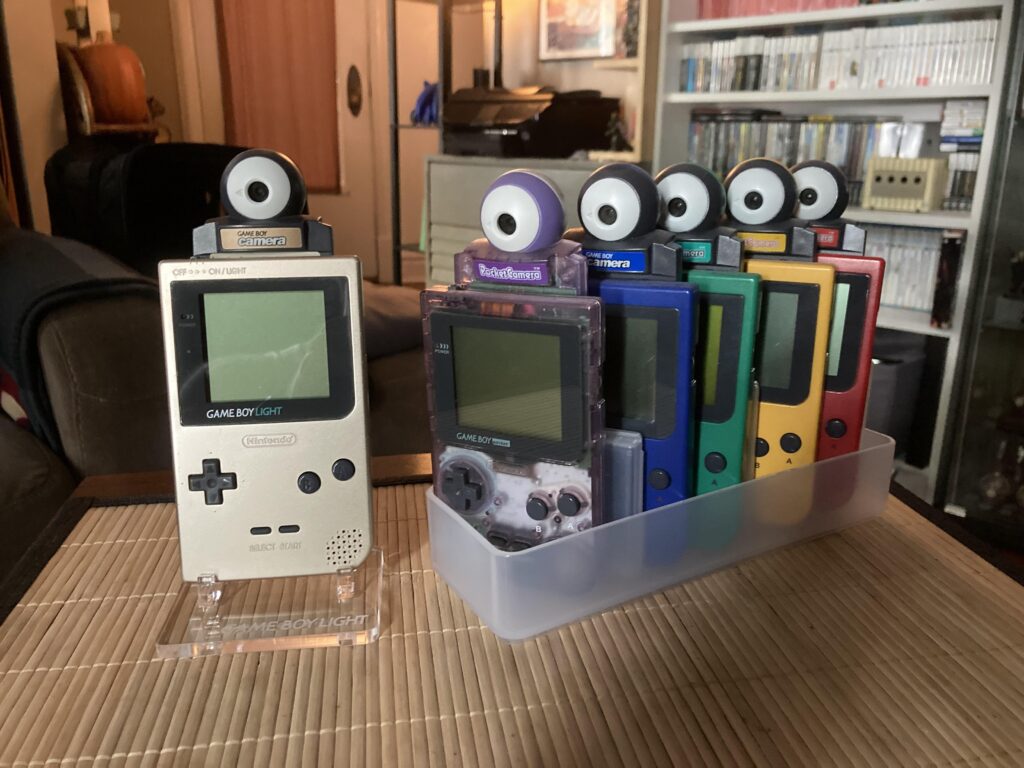
Released in the late 1990s, the Game Boy Camera was a forward-thinking device that brought digital photography to a mass audience well before the era of smartphones.
The cartridge featured a 180-degree swivel lens, allowing players to take lo-fi, four-shade greyscale selfies or environmental shots. Beyond simple photography, it included built-in editing tools and mini-games, allowing users to manipulate their images in creative ways.
It even offered connectivity with the Mario Artist suite on the 64DD, showcasing a level of cross-platform creativity that was highly advanced for that time.
DK Bongos
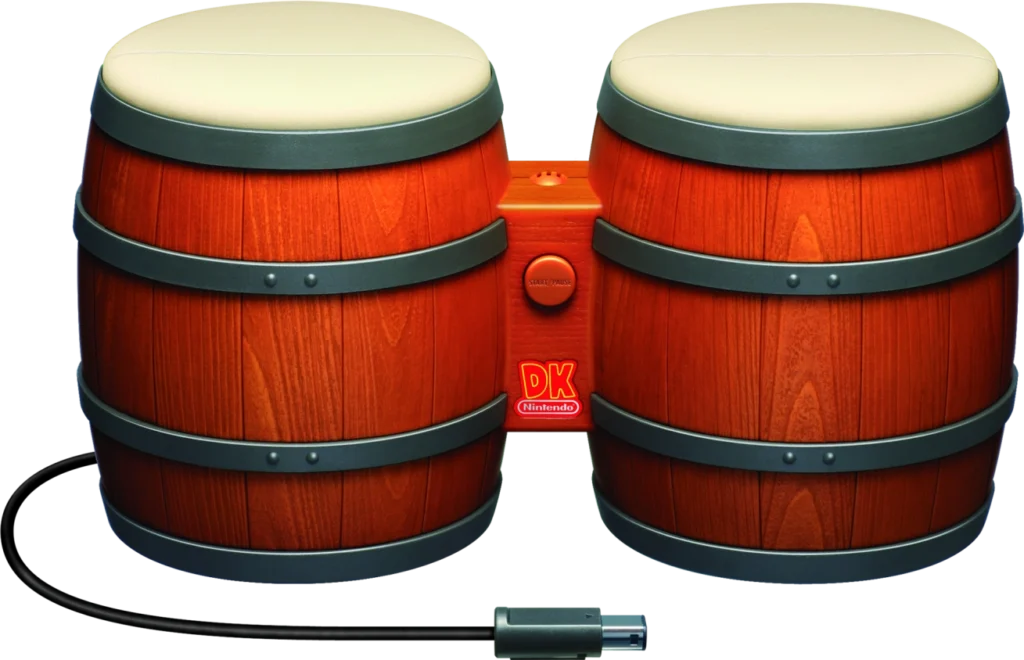
One might think the Wii was Nintendo’s first foray on motion or otherwise tactile controls for its brand, but that’s not true: during the early 2000s, the company was enjoying the heyday of the GameCube, and that era saw the release of the DK Bongos.
Yes, bongos. As in “that musical instrument where you slam your hand in a rhythmic manner thus creating music” bongos. And of course, no other game would benefit more from that than the newly-released Donkey Konga, a game that a lot of people like to refer to as “Guitar Hero with bongos”, but ignoring the fact that Konga came out many years before its Activision-published guitar counterpart. Much like it, however, it consisted of hitting the notes at the right timing in a vertical downwards panel.
The peripheral’s most innovative use, however, appeared in the platformer Donkey Kong Jungle Beat, where players had to drum and clap to move the character and attack enemies. Though short-lived, the DK Bongos represent a peak era of experimental Japanese hardware design that prioritized unique physical interaction over traditional controls.
Final Thoughts

The list above marks a time when companies actually used accessories to expand on a console’s base settings. The idea back then was to bring something extra to an already fulfilling game experience.
The same cannot be said for nowadays’s premises, where VR headsets and movement-based controls will all do basically the same stuff, for the same games, and have the same features. We won’t name any names (especially because this would be better suited for a list all of its own), but companies now rarely seek that type of endeavor—and when they do, it just feels…gimmicky?
So here’s our recommendation for you: if you have the chance of getting your hands on any of the accessories listed above, do it. There are a lot of offers on retro gaming on Amazon and other marketplaces, and who knows? If you’re a younger gamer, you might see first-hand what made your elders tick.