
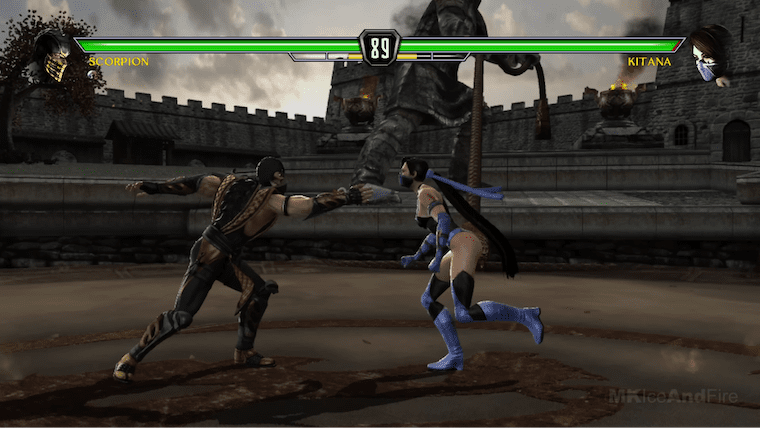
Back in the ’90s, audiences were already well acquainted with the fighting game genre through titles like Fatal Fury, Karate Champ, and, of course, Street Fighter II. A few ambitious developers at Midway Games thought that while those games were fun, they were missing something. For lack of a better word, they lacked edge. These titles were clean, vibrant, and, most of all, safe. Midway wanted to take the genre in a bolder direction.
In 1992, the studio released the instant classic Mortal Kombat (not to be confused with Mortal Kombat 9 or Mortal Kombat 1). No punches were pulled. The game had blood, gore, guts, and a whole lot of attitude. Midway set out to stir the pot, but no one could have predicted that this small project would become such a major cultural phenomenon. It built a legacy through packed arcades, word of mouth, endless coins inserted into cabinets, and, perhaps most importantly, the outrage of angry parents that ultimately contributed to the creation of the ESRB.
Thirty-three years and countless ripped spines later, the series remains a cornerstone franchise for fighting game fans and gamers in general. To celebrate the release of the new movie, let’s rank the best games in the franchise. We will only be focusing on the well-received titles because the bad games could fill a list of their own.
Without further ado, let’s begin.
10. Mortal Kombat vs DC Universe
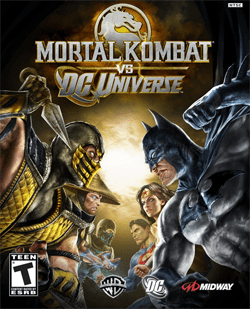
The last game developed by Midway Games. The studio wanted to do something radically different for the new generation while also capitalizing on the success of Marvel vs. Capcom. Mortal Kombat colliding with the DC Universe was a crossover nobody expected, or honestly asked for.
The combat is functional, and the roster is sure to satisfy fans. However, the T-rated fatalities are extraordinarily weak and often laughable. The story is silly, muddled, predictable, and ultimately forgettable. What earns this game a place on the list is not necessarily what it accomplished itself, but what it led to in the future. This game walked so Injustice could run.
9. Mortal Kombat
The original game is extremely bare-bones, but every franchise has to start somewhere. Mortal Kombat is essentially a supernatural take on the film Enter the Dragon. Seven fighters are invited to a deadly tournament to battle the evil sorcerer Shang Tsung and his terrifying four-armed champion, Goro.
Combat is basic, and the fatalities are tame by modern standards. Still, viewed through the lens of 1992, seeing Sub-Zero rip someone’s head off was unforgettable. The game also introduced one of the first secret characters in fighting game history: the fan-favorite Reptile.
8. Mortal Kombat 3
This entry was a solid, albeit somewhat clumsy, step forward. Expanding on previous games, it introduced a combo system that gave each fighter more distinct move sets. Another addition was the Kombat Kode system, which allowed players to input button combinations for various cheats and modifiers.
While these additions were welcome, the more urban and sci-fi-inspired art direction divided fans. Another major criticism was the absence of iconic characters like Scorpion and the ninja version of Sub-Zero.
7. Ultimate Mortal Kombat 3
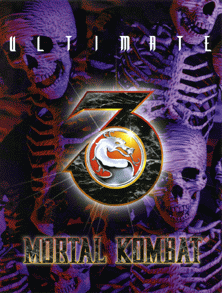
Midway was not quite ready to release Mortal Kombat 4, so it followed the example set by Street Fighter II and released an updated version of MK3. Thankfully, this was far more than a simple cash grab.
Ultimate Mortal Kombat 3 fixed many of the original game’s balance issues, including infinite combo exploits and overpowered special moves. The combat system was refined, the roster was expanded, and all of the ninjas returned. As a result, UMK3 earned its reputation as the definitive version of Mortal Kombat 3.
6. Mortal Kombat: Deadly Alliance
After Mortal Kombat Special Forces failed critically, MK4 received lukewarm reactions, and Mortal Kombat: Annihilation became infamous as one of the worst movie sequels ever made, the franchise was clearly struggling. A five-year hiatus followed, and Midway returned with something darker, more polished, and far more ambitious.
Deadly Alliance completely distanced itself from the awkwardness of the previous era. The ugly blocky character models and bland stages were gone, replaced by more detailed environments and smoother animations.
This game introduced two major staples for the series: the Krypt and Konquest mode. The Krypt functioned as a massive graveyard filled with unlockables like concept art and alternate costumes. Konquest mode was fairly limited here, acting mostly as a tutorial, but it still helped players learn the roster more naturally. Without question, Deadly Alliance saved the franchise from irrelevance.
5. Mortal Kombat: Armageddon
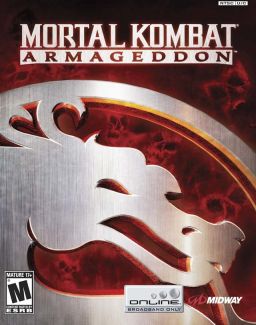
Originally intended to be the final game in the series, Armageddon fully embraced excess. The realms had fallen into chaos, leading to the titular Armageddon.
This is not a balanced game by any means. With over 64 playable characters, many assets were reused, and unique fatalities were removed in favor of the Create-a-Fatality system. Konquest mode abandoned the RPG exploration of Deception in favor of a more straightforward 3D beat-’em-up structure. While less ambitious, it was arguably more entertaining.
This is a perfect example of quantity over quality done right. The game is messy, but it is endlessly fun. On top of that, Motor Kombat, an obvious Mario Kart clone, had absolutely no right being as enjoyable as it was.
4. Mortal Kombat II

The highly anticipated sequel to the original classic. With improved visuals, more characters, more blood, and more fatalities, this game left the competition behind in a puddle of gore.
Shao Kahn now threatens Earthrealm directly, forcing Liu Kang and the rest of the heroes to once again enter the tournament and save the world. While the original game established the foundation, Mortal Kombat II solidified the franchise’s identity with tighter gameplay and a much sharper presentation.
This title introduced legendary characters like Shao Kahn, Kitana, and Baraka, as well as iconic stages such as The Pit II and the Acid Pits. It fully earned its reputation as the strongest entry in the original trilogy.
3. Mortal Kombat: Deception
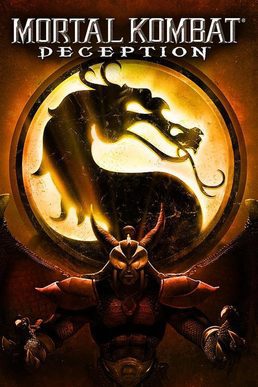
Deception centers on the resurrection of Onaga, the original ruler of Outworld, who seeks to reclaim his throne. The game features one of the strongest rosters in the franchise. While many of the new additions were forgettable, characters like Havik became instant fan favorites.
Returning fighters like Ermac, Baraka, Mileena, Noob Saibot, and Smoke finally received proper 3D-era appearances. The game also offered an enormous amount of content, including alternate costumes, character bios, unlockables, and side modes. Chess Kombat was a surprisingly fun strategy variation, while Puzzle Kombat appealed to puzzle game fans.
The standout feature, however, was Konquest mode, a fully explorable RPG-style adventure that allowed players to travel across the realms, complete quests, and unlock secrets. While protagonist Shujinko was fairly bland, the world itself was immersive and memorable.
2. Mortal Kombat: Shaolin Monks
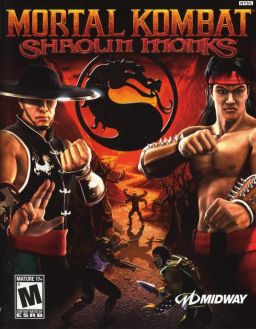
Not a mainline entry, but good enough to earn its place regardless. After the popularity of Konquest modes in previous games, Midway fully committed to creating a 3D action-adventure experience.
Shaolin Monks, loosely based on the events of Mortal Kombat and Mortal Kombat II, follows Liu Kang and Kung Lao as they battle Shao Kahn’s forces across iconic locations from the series. The game offers the most fully realized version of the Mortal Kombat universe seen at the time. While players spend much of the game fighting generic enemies, classic villains like Kano, Baraka, and Reptile appear as genuinely creative and well-designed boss encounters.
Combat is simple but incredibly satisfying, with special moves, fatalities, and upgrades keeping gameplay fresh throughout. The co-op mode is especially memorable and remains one of the best multiplayer experiences in the franchise. Why this game has never been rereleased or remade remains one of gaming’s greatest mysteries.
1. Mortal Kombat 9
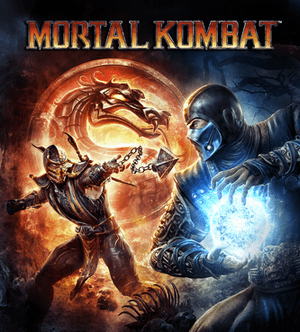
The crème of the crop. By this point, the Mortal Kombat timeline had become bloated, inconsistent, and difficult to follow. Rather than trying to untangle decades of continuity, MK9 wisely rebooted the series while retelling the events of the first three games.
Following the events of Armageddon, Raiden receives messages from his future self and attempts to alter history before disaster unfolds again. This game arguably has the best roster in franchise history. While it introduced very few new fighters, the selection of classic characters was so strong that fans hardly noticed. The story is completely ridiculous in the best possible way, embracing the feel of a cheesy martial arts B-movie.
The amount of content was staggering: arcade ladders, tag-team battles, online multiplayer, story mode, and the endlessly entertaining Challenge Tower all contributed to massive replay value. MK9 represents everything great about the franchise. It modernized the gameplay, respected the classics, and delivered one of the most complete fighting game packages ever released.
The fact that it still is not available on modern platforms should honestly be considered a crime worthy of a fatality. Check out our full review here
Conclusion
There is our list. Did your favorite game make the cut? This was not an easy ranking to put together, so hopefully you understand why some entries may have missed out. Let us know which Mortal Kombat game is your favorite and why you agree or disagree with the rankings. Until next time, fight on.