
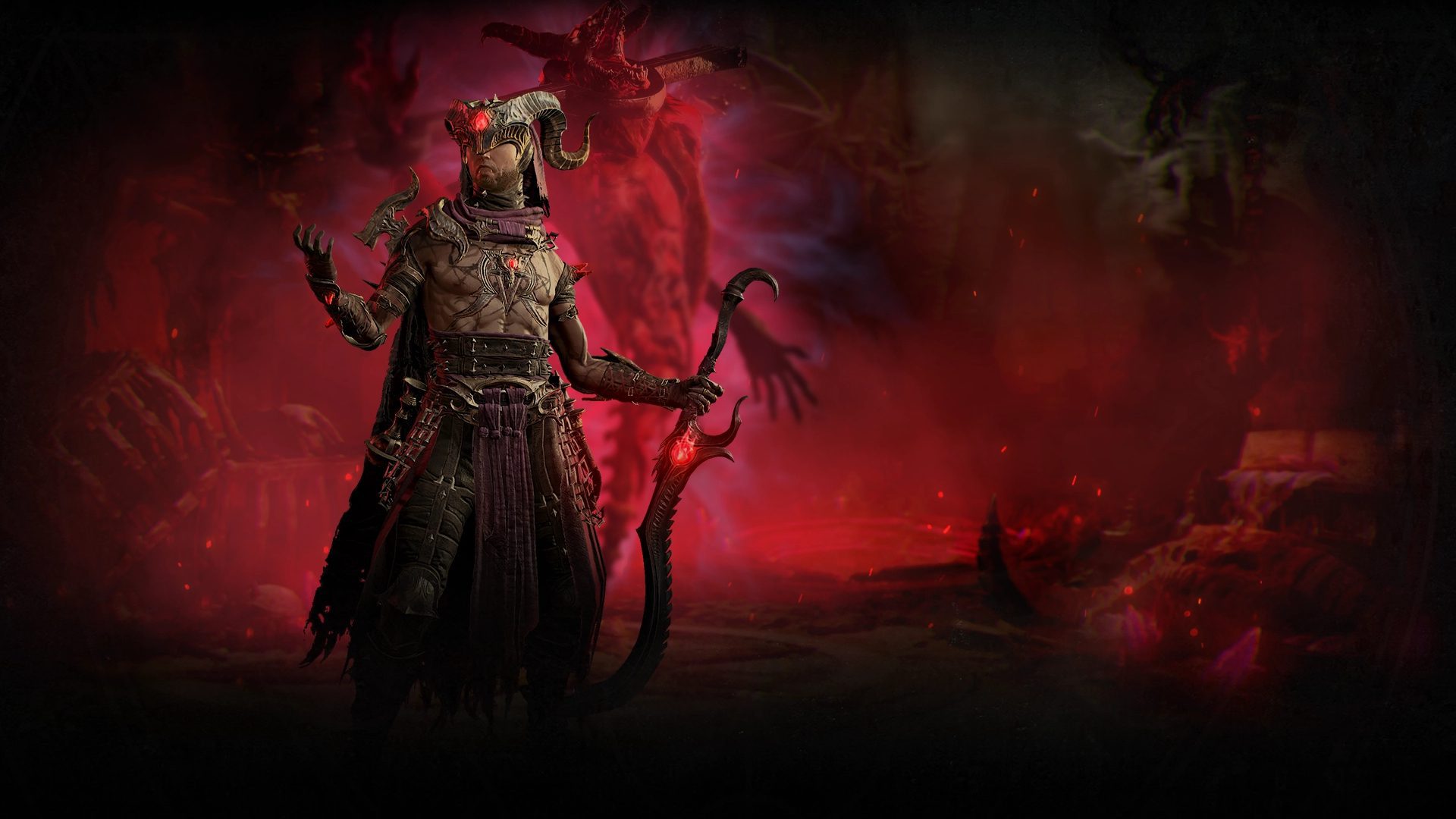
Diablo IV’s latest expansion, “Lord of Hatred,” has unveiled a new class for players to fight as: the Warlock.
As a complex caster and summoner hybrid, this class differentiates itself from others through its brutal relationship with the Burning Hells. While other characters might use magic for protection or holiness, the Warlock weaponizes demonic corruption through iron will and forbidden Vizjerei knowledge.
However, it does have a steep learning curve, much tougher than the Paladin, another class introduced in the same update. With that in mind, this guide covers the essential mechanics, resource management, and strategic disciplines required to pilot the class effectively in both leveling and endgame content.
Warlock Class Overview
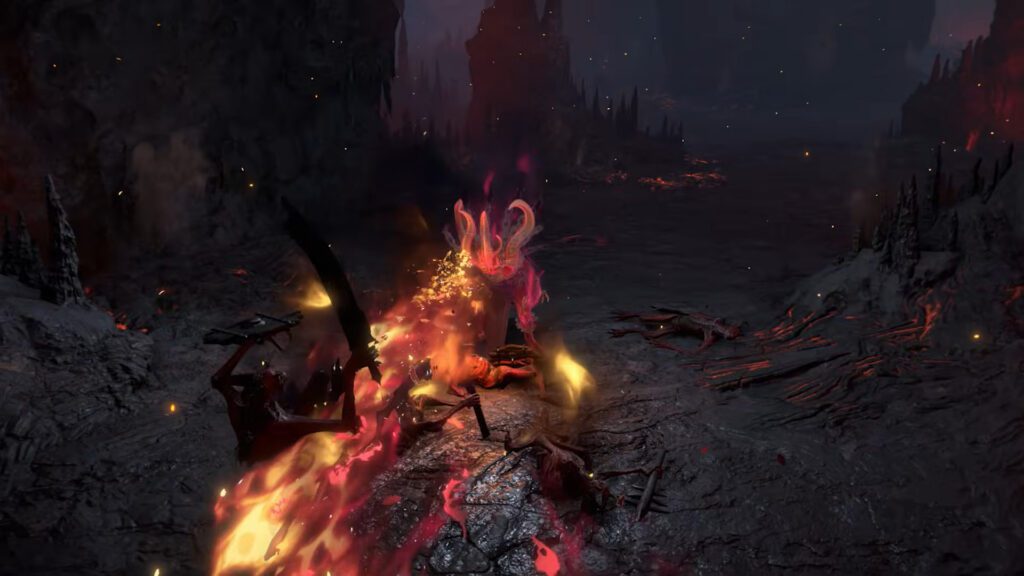
The Warlock functions as a high-complexity tactical caster that relies on a simple loop: create, control, and combo. This means that, unlike regular mages or priest-like classes from other games, it engages in close-quarters combat and aims to maximize damage output.
However, unlike more combat-oriented classes like the Barbarian or the Paladin, the Warlock lacks strong defenses. Its toolkit compensates for this by providing summonable minions for fodder, aggro distraction, and preventing enemies from overwhelming the player.
Wrath and Dominance Resources
Unlike other classes that rely on a single energy pool, the Warlock uses a dual-resource system: Wrath and Dominance. Managing the tension between these two is the primary challenge of the class.
Wrath: This resource powers the Warlock’s direct offensive spells, such as shadow sigils and hellfire projectiles. It regenerates over time and is often fueled by Basic skills.
Dominance: This is a more specialized resource used exclusively for summoning demons and activating their powerful commands. It regenerates more slowly, requiring the player to be intentional about when to invest in their minions.
Soul Shard Mechanic and Specialization
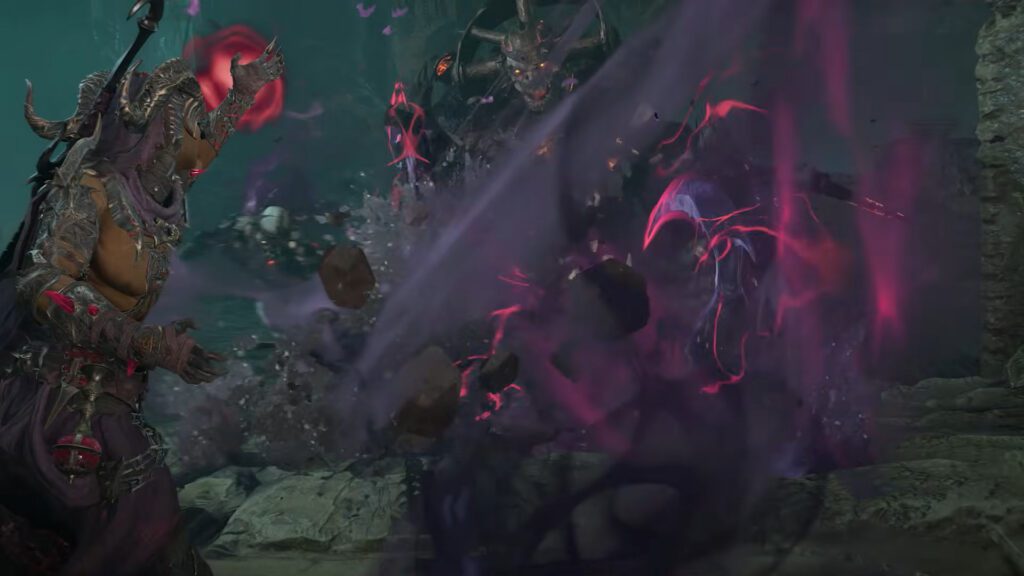
At level 30, Warlocks unlock their core class specialization called Soul Shards. This system allows you to fuse a specific Greater Demon’s essence into your character, placing you into an Archetype that dictates your primary playstyle and passive bonuses. There are four primary archetypes to choose from:
- Legions (Ae’gron): Focuses on overwhelming enemies with a high volume of lesser demons and swarm pressure, quite literally fighting through sheer numbers.
- Vanguards (Abodian): Designed for front-line aggression, enhancing Demonform and providing direct Archfiend support during melee combat.
- Masterminds (Laalish): Emphasizes shadow control and stealth mechanics, utilizing Shadowform to manipulate the battlefield from a safer position.
- Ritualists (Vollach): The most complex path, using blood-etched rites and Overpower scaling to turn demons into high-damage occult effects.
Skill Clusters and Disciplines

The Warlock skill tree is divided into six clusters, including Basic, Core, Defensive, Archfiend, Sigil, and Ultimate. These skills generally fall into four thematic disciplines: Abyss (shadow and debuffs), Command Fallen (explosive minions), Demonology (summons), and Hellfire (direct fire damage).
It may sound overwhelming, but it is relatively intuitive. You choose a cluster and discipline to follow, and the game guides your progression within that framework.
Key mechanics include Hex, which increases Abyss damage on wounded targets, and Eviscerate, which triggers instant bleeding damage. Other important keywords include Volatility, which empowers fire skills, and Shadowform, which provides stealth and unhindered movement.
Recommended Stats and Attributes

If the Paladin uses Faith, the Warlock relies on Willpower as its primary resource for skills. Regardless of your chosen discipline, this should always be your top stat priority, as it directly increases overall damage output and skill efficiency.
After Willpower, the remaining attributes help round out your build, ensuring that your Warlock can both deal damage and survive incoming threats.
- Primary Stat: Willpower is essential for scaling the potency of all Warlock disciplines.
- Secondary Stats: Intelligence and Wisdom are valuable for resource management and skill efficiency, offering benefits such as reduced resource consumption and faster recovery.
- Defense: Like most magic-based roles, the Warlock is notoriously fragile. While it can participate in front-line combat, doing so without preparation is risky. Focus on increasing Maximum Life, Armor, and Resistances to survive high-tier encounters, then capitalize on openings to deal damage.
Combat Strategy and Tips

As mentioned earlier, Warlocks are not highly durable. Choosing this class means abandoning reckless, lone-charge tactics and focusing on preparation and positioning.
Effective Warlock play requires shifting away from fixed rotations and toward reactive, sequence-based combat. You must actively command your demons rather than treating them as passive pets. Every minion is a tool to be repositioned, sacrificed, or detonated as part of a larger combo.
Strategic positioning is critical. Use defensive tools like Dark Prison or Wall of Agony early in a fight to control enemy movement rather than saving them as a last resort. Your defenses should be established from the start, not deployed only after enemies close the distance. Finally, set up sigils and rituals as traps before spending Wrath and Dominance on high-impact finishing abilities.
Warlock Strengths and Weaknesses
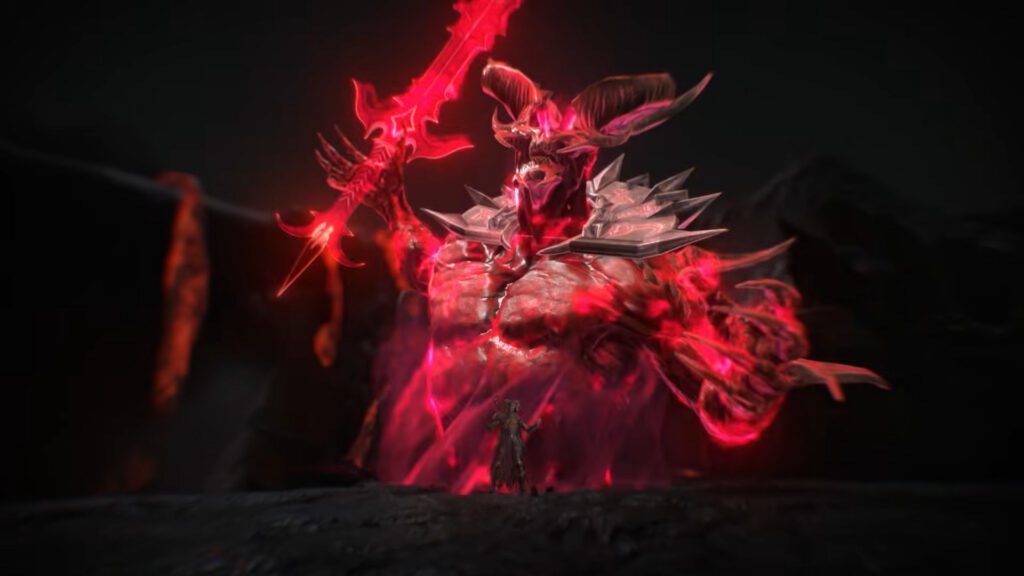
The Warlock offers a highly versatile toolkit, but it comes with trade-offs.
- Strengths: Unparalleled battlefield control, high build variety, and the ability to sacrifice minions for massive burst damage. It is an excellent choice for players who enjoy hybrid caster-summoner gameplay.
- Weaknesses: One of the steepest learning curves in the game due to dual-resource management and setup-heavy combat. The class is also naturally fragile and requires active skill management to stay alive.
Final Thoughts
The Warlock is a rewarding choice for players who want a darker, more mechanically demanding experience than the traditional Diablo IV roster. As shown, it requires more attention than most classes to master, but finding the balance between Wrath and Dominance, along with choosing the right Soul Shard archetype, can make you a formidable presence on the battlefield.
The ability to control entire encounters while dealing significant damage and supporting allies gives the Warlock strong appeal within the community. While it lacks the simplicity of other summoner classes, its depth and high-impact potential make it a powerful option for those willing to learn its systems.
Diablo IV is available for PlayStation 4, PlayStation 5, Xbox One and Xbox Series X|S, and Microsoft Windows. The “Lord of Hatred” expansion is available for purchase at Blizzard’s website.