
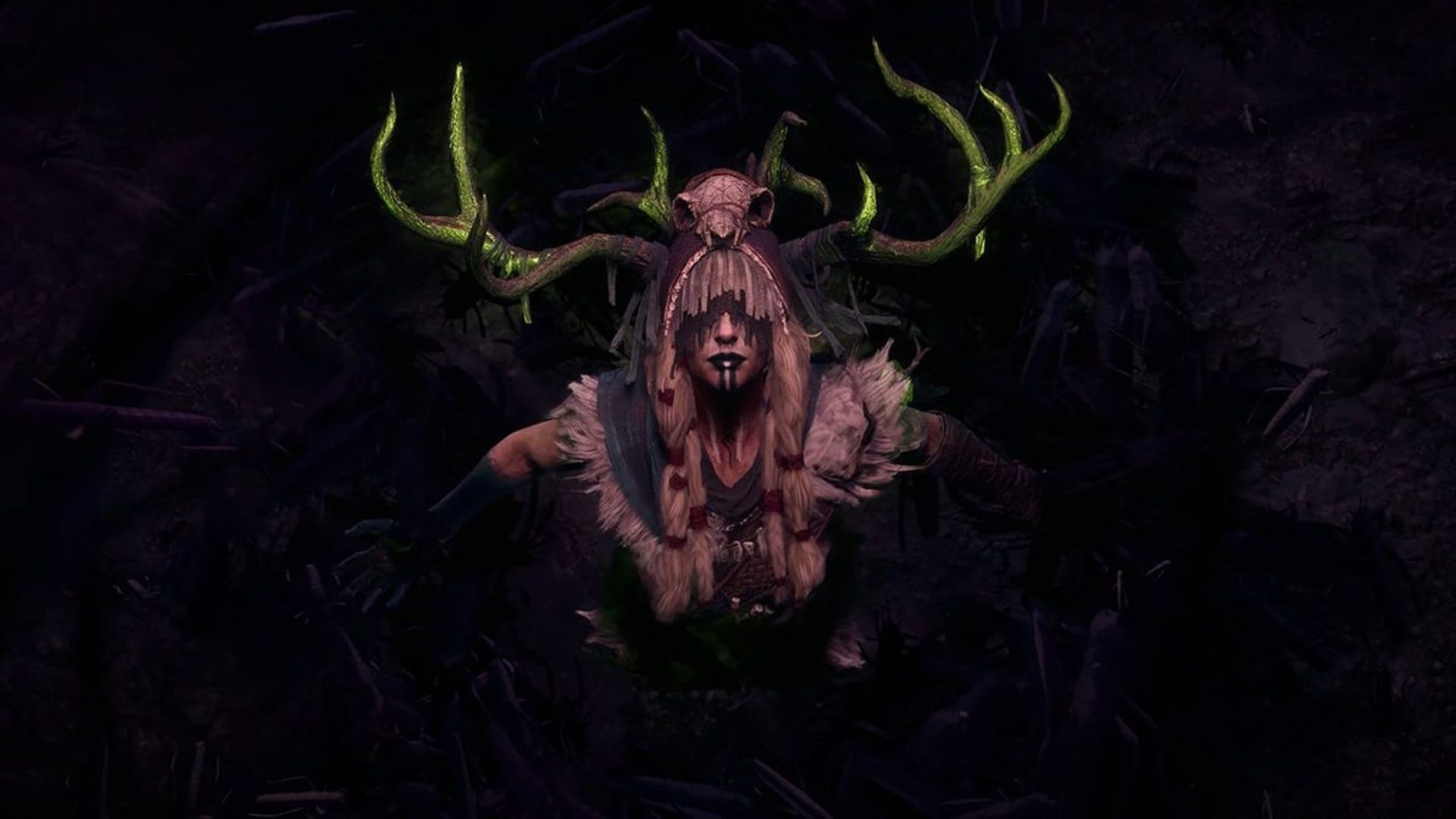
Grinding Gear Games has officially ushered in a new era for Path of Exile 2 players with the release of Version 0.5, titled “Return of the Ancients”—and this is far more than a routine balance patch. Between the arrival of the Spirit Walker and Martial Artist ascendancies, major defensive reworks, and sweeping nerfs to recovery systems, several once-dominant archetypes have either evolved or completely fallen apart.
As a result, the current meta feels less focused on brute-force survivability and more centered around positioning, layered defenses, and mechanical synergy. Some classes adapted beautifully to those changes, while others are still struggling to recover from the patch’s systemic overhauls. So if you are wondering which ascendancies currently dominate league starts, endgame farming, and boss progression, here’s how the class hierarchy looks right now.
S-Tier
The current top tier is occupied by classes that either escaped the 0.5 nerf wave untouched or gained massive value from the new combat environment. These builds combine efficient scaling, reliable survivability, and strong progression from early campaign content all the way into pinnacle encounters.
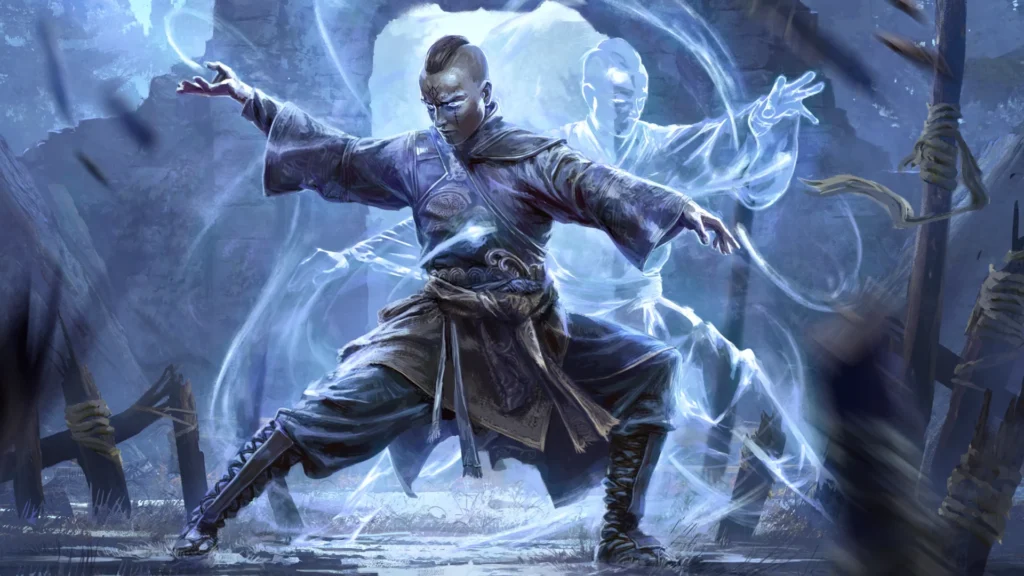
The biggest winner of the patch is unquestionably the Martial Artist (Monk). The ability to maintain three active Tempest Bells simultaneously dramatically increased its burst potential, especially when combined with ancestral interactions that treat the bells like strike skills. Add Hollow Palm scaling and the new Crushing Fear gloves into the equation, and the result is a melee archetype that delivers absurd damage while remaining surprisingly difficult to kill.
Meanwhile, classes like Spirit Walker and Tactician continue to thrive because their strongest setups remained largely untouched by the patch. In a meta where many former powerhouses lost defensive consistency, stability itself became one of the most valuable strengths a build can have.
- Martial Artist (Monk): Dominates through triple-bell combos and exceptional scaling with the new glove transformation mechanics.
- Spirit Walker (Huntress): The safest generic league starter, largely because Twister remained untouched despite holding speedrun records. The new “Pokemon Master” style of taming unique bosses provides a high floor for damage with minimal gear.
- Deadeye (Ranger): Promoted to S-Tier thanks to a transformative indirect buff: Mirage Deadeye can now handle channeled skills like Snipe. This allows you to stay mobile while your clone handles the most vulnerable part of the bow playstyle.
- Tactician (Mercenary): Remains a pillar of reliability. The “Pin-to-Win” grenade strategy and Supporting Fire builds were left completely intact, offering a failure-proof path from the campaign to pinnacle bosses.
A-Tier
A-Tier is filled with classes that may not completely warp the meta, but consistently perform across nearly every stage of progression. These are dependable picks for players who value stability, flexibility, and smoother gearing requirements over outright dominance.
The Lich (Witch) continues to stand out as one of the game’s safest caster archetypes. Essence Drain and Contagion builds paired with Bonestorm survived Version 0.5 with minimal collateral damage, preserving one of the most race-proven and beginner-friendly playstyles currently available.
The Oracle (Druid) also benefited indirectly from the patch’s changes. Since many of its strongest setups never relied heavily on leech mechanics to begin with, it avoided the survivability collapse that hit several competing caster archetypes. On the melee side, the Titan (Warrior) gained value simply because armor and raw physical mitigation became more important after energy shield and recovery systems were toned down across the board.
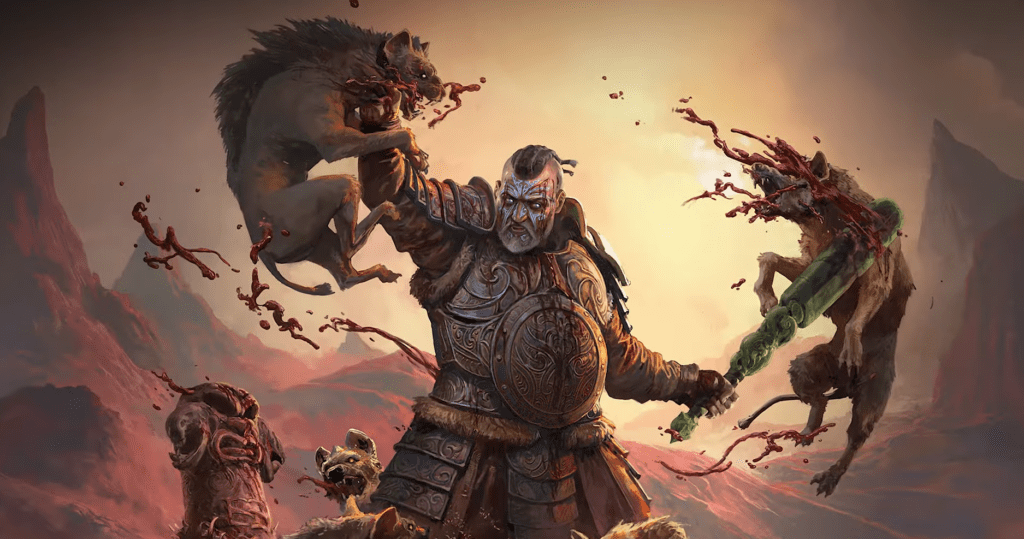
- Titan (Warrior): excels with Whirling Assault and Meteor Bear configurations, leveraging high armor values that now apply more effectively to elemental damage.
- Oracle (Druid): The top choice for Plant-based builds, using Inevitable Crit to bypass the gear requirements that hinder other critical-strike archetypes.
- Lich (Witch): Remains a lazy powerhouse for minion armies or EDC casters, benefiting from new minion splash support gems added in 0.5.
- Witchhunter (Mercenary): Despite a nerf to Sorcery Ward, the increase in base armor on endgame items in 0.5 keeps this class as a premier choice for high max-hit defensive layering.
B-Tier
B-Tier classes are fully capable of clearing endgame content, but they often demand either stronger gear investment, more technical execution, or highly specialized setups to truly shine. In many cases, these builds are held back less by weakness and more by the fact that safer or simpler alternatives currently exist above them.
The Stormweaver (Sorceress) is a good example of that dynamic. Its Archmage Arc setups still offer excellent screen-wide clear and crowd control potential, but the class can feel fragile and awkward during the early campaign before elemental infusions become reliably accessible.
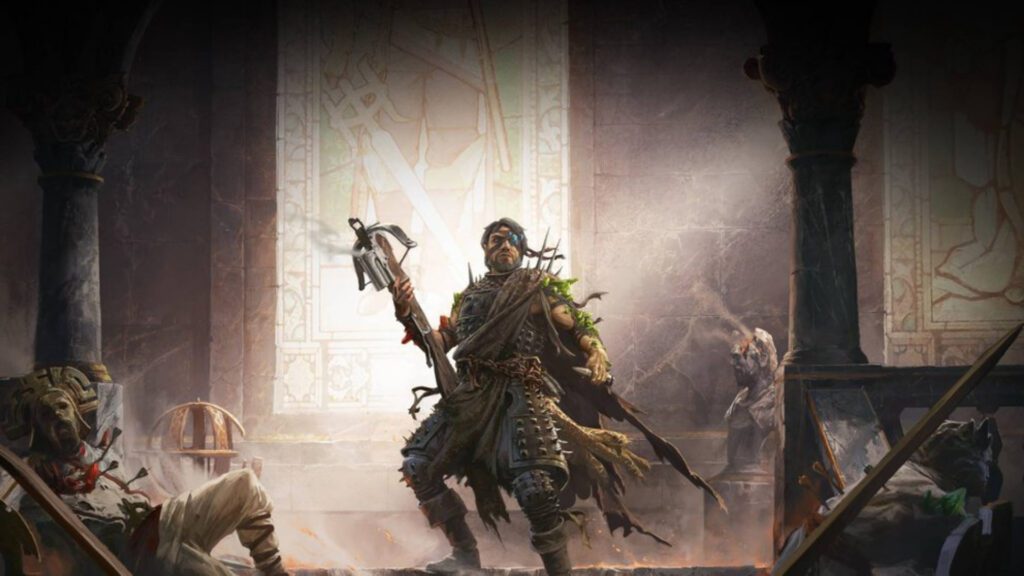
One of the most interesting wild cards this season is the reworked Gemling Legionnaire (Mercenary). Thanks to its new quality-focused mechanics affecting more than 200 skills, the ascendancy has enormous theorycrafting potential. The issue is that the community is still experimenting with its strongest interactions, making it difficult to recommend as a universally safe league starter.
Meanwhile, the Chronomancer continues to evolve into a niche but legitimate technical option. Defensive improvements like the new Temporal Rift mitigation make it noticeably sturdier than before, though its echo-heavy gameplay loop still depends heavily on timing and RNG consistency.
- Gemling Legionnaire (Mercenary): The ultimate build-crafter’s choice, scaling through the new Advanced Theurgy and Essence of Virtue nodes for unique skill interactions.
- Chronomancer (Sorceress): Much improved defensively with Phased Form, making it a viable (though technical) choice for Frost Stars boss-locking builds.
- Invoker (Monk): A Swiss Army Knife of sorts that benefits from the Tempest Bell buff and high reservation efficiency, though it is often overshadowed by the Martial Artist’s raw numbers.
- Stormweaver (Sorceress): Reliable for Archmage Arc setups, providing excellent screen-wide, group clearing moves, though it still struggles with “glass cannon” syndrome in Act 1–3.
C-Tier and Below
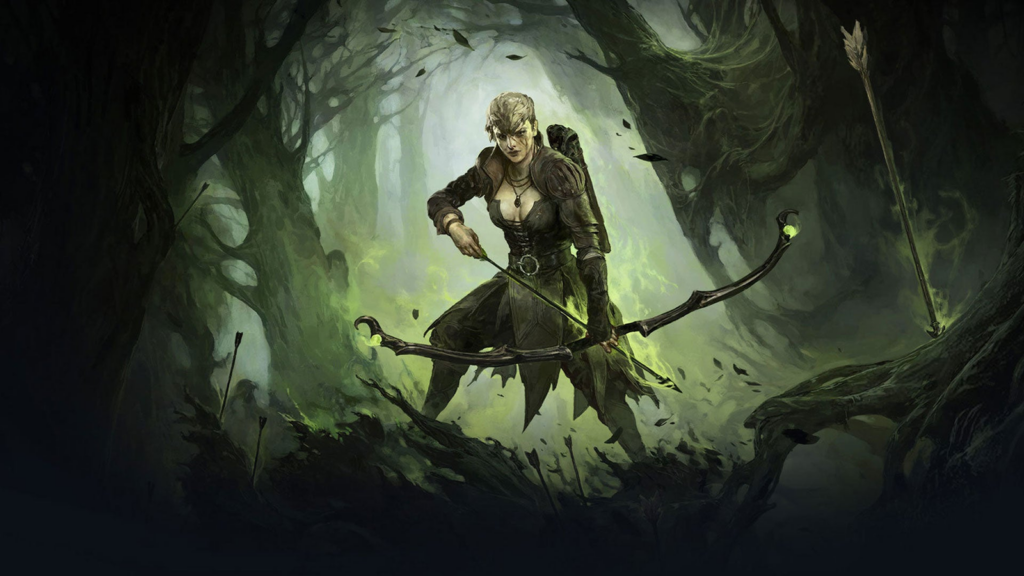
Version 0.5 was especially brutal toward builds that previously depended on extreme sustain mechanics or heavily abusive scaling interactions. Several formerly dominant archetypes now require enormous investment just to feel functional again, while others lost the core identity that made them attractive in the first place.
The clearest casualty is the Blood Mage (Witch), which suffered heavily from the reworked leech system. Before the patch, massive spell hits could instantly refill a character’s health pool; now, hard caps on leech instances severely limit that recovery potential, fundamentally weakening the class’s signature survivability loop.
The Poison Pathfinder (Ranger) also took multiple hits simultaneously, including reduced poison duration and harsher movement penalties. Combined, those nerfs dramatically weakened its former dominance as one of the game’s premier damage-over-time archetypes.
As for the Infernalist (Witch), the patch essentially dismantled its autobomber identity by gutting the core Infernal Legion scaling package. While niche versions of the build still exist, they now require far more investment for significantly worse results.
- Poison Pathfinder (Ranger): Gutted by duration nerfs and the slashing of the Overwhelming Toxicity node; currently lacks the damage-over-time identity it once held.
- Blood Mage (Witch): The primary victim of the leech restructuring; requires a massive (20+ divine) gear investment just to feel functional in the new system.
- Infernalist (Witch): Its core Infernal Legion mechanic had its damage halved and its ignite radius cut in two, killing its popularity and turning it into more of a niche unit.
- Acolyte of Chayula (Monk): Suffers the most from the Energy Shield recharge nerfs, making it significantly harder to maintain the defensive foundation required for melee chaos combat.
Final Thoughts
To say that the new Path of Exile 2 expansion gutted many fan favorite classes is an understatement—normally, such changes are done incrementally, over the course of many updates and patches. There is a reason why the official trailer above says “Our Biggest Update Ever” in its thumbnail.
This time around, though, Grinding Gear decided to go for broke and rebalance the whole thing in one fell swoop. Not that this is necessarily a bad thing (a tough game such as this does require some reviewing from time to time), but given the sheer volume of changes, it is likely the community will take some while before fully getting used to—maybe even complain a lot before growing accustomed.
Still, this is all in good faith: reworkings like this often allow for more people to join in without the pressure of playing veterans and getting destroyed right out of the gate, which would obviously give Path of Exile 2 a negative “gatekeeping” perception.
Path of Exile 2 is available as a paid early access on Windows, PlayStation 5 and Xbox Series X/S.