When taken at face value, the term “friendslop” may bring some frowny faces—which is understandable, given its conception as an online satirical jab of sorts, aimed at mocking the perceived saturation of low-budget, co-op indie titles on platforms like Steam.
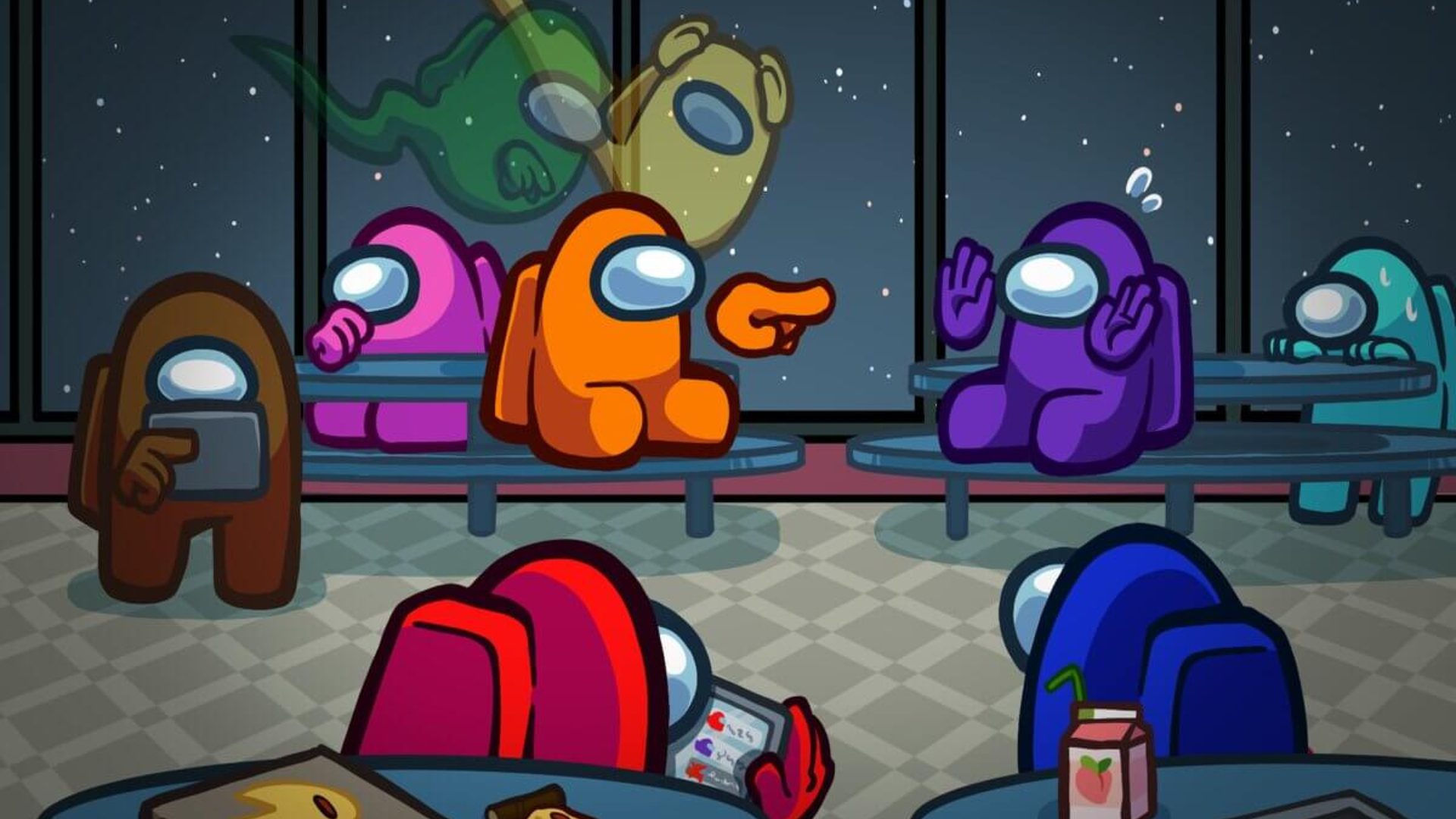
However, as we’re nearing the first semester of 2026, “friendslop” became quite the opposite, now commonly used to describe games with a low entry point, focused on casual gameplay and heavy social interaction. Think more Among Us and less Overwatch: the skill aspect becomes secondary while the primary objective is any common goal a group of friends share.
And we’re all here for it. In fact, we’ll tell you why you should pay attention to it in 10 steps.
1. Exceptional Financial Accessibility
The primary driver behind the genre’s dominance is a pricing strategy that removes the significant financial hesitation associated with modern gaming. We are all too familiar with the current $70 baseline for new releases (and with GTA VI around the corner, that too may change soon…for the worse).
Well, friendslop titles like Gamble With Your Friends can for as low as eight bucks…usually topping at $20.
Now, we’re not saying you should choose any of these instead of any new, AAA title—by all means, if you have the capacity, more power to you, go get your new God of War. This is not an “either/or” situation. But think about it: how many things you bought on a whim cost you twenty bucks? If we’re talking about a new game, that doesn’t feel like a complete waste, and if the game is fun, well, you just profited.
According to data from Alinea, this “low cost, high impact” model has yielded staggering commercial efficiency. Peak, for instance, utilized a $5 launch price that later transitioned to $8, eventually moving over 11 million units and generating revenue exceeding $55 million. By keeping the entry fee low, developers reduce the risk for the consumer, allowing a game to achieve its breaking even point far faster than multi-million dollar projects.
There is also the word-of-mouth effect to consider: usually, promotion on these games don’t come by multimillionaire marketing and PR campaigns, but from players who buy them, then tell their friends about it so they can play together. This collaborative purchasing power helped the solo developer of Lethal Company move approximately 15 million copies, proving that a low price point can be more lucrative than premium pricing when tied to social dynamics.
2. A Panacea for Loneliness

The heavy social element of friendslop games are not unexpected, of course. Veins systematically developed for online play, these titles thrive on having tons of people together in the same session.
But the social appeal actually goes further than that. While actual scientific data on the “loneliness epidemic” is still in dire need of peer reviewing, there is evidence that Gen Z and young adult men are facing higher levels of social disconnection than previous generations, and these games can provide a third space for socialization.
Data from 2023 indicated that three out of four Gen Z Americans felt lonely “sometimes or always,” a trend that has persisted into 2026. While most of these reports either blame the pandemic or post-pandemic related issues, we’re in 2026, and even now, friendslop titles address this by centering the gameplay experience on the communication and cooperation aspects of multiplayer sessions, instead of the usual competitive stress you usually see in MOBA games, for instance.
This approach specifically caters to a documented desire among younger audiences for media that focuses on connections rather than drama or conflict. A survey by the Center for Scholars & Storytellers found that over half of Gen Z respondents wanted more friendship-centered media.
By providing a low-pressure environment where failing is part of the fun (we all remember the “ME SAW WHO” meme from Among Us and the countless TikTok clips of people laughing hysterically after being one-shotted by an enemy in R.E.P.O.) these games facilitate genuine human interaction and digital bonding that many players find more rewarding than solo-play narratives.
3. High Emotional Return on Investment (ROI)
While AAA titles often compete on graphical fidelity and content volume, friendslop games compete on the quality of unscripted social moments. Essentially, this means that these titles leave a significant emotional impact on players relative to their low technical requirements and cost. The focus is shifted from “beating the game” to creating a shared history of “my buddies and me doing stupid shit and laughing”.
Industry veterans note that these titles often deliver a level of emotional engagement that multi-million dollar products struggle to match. Because the mechanics are often physics-based and unpredictable, they produce spontaneous comedy that feels authentic rather than scripted.
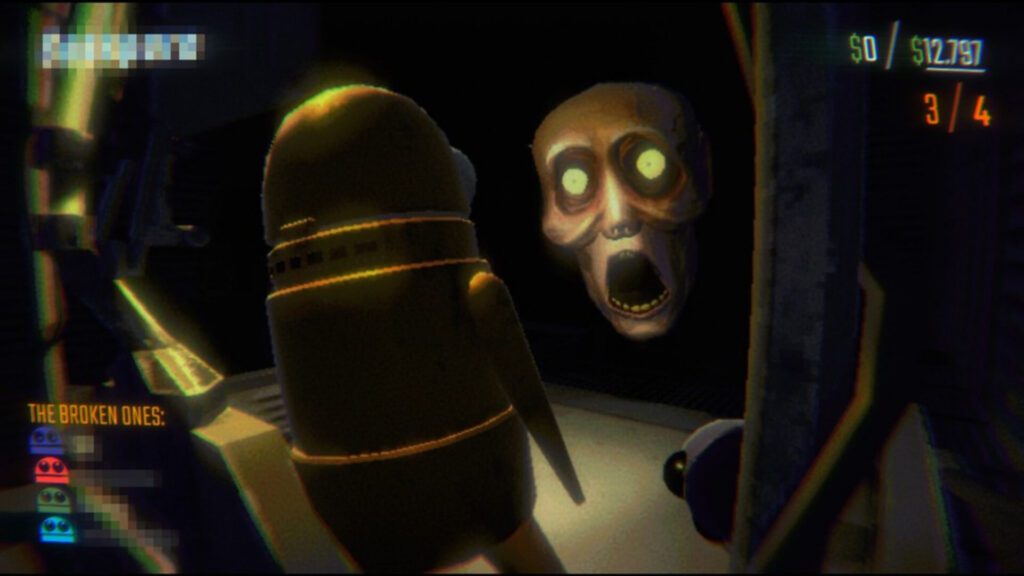
Here’s a quick, mental test you can take as proof: between making a major power play in an online match on NBA 2K26 or getting your friend killed as a prank on R.E.P.O. (a game centered in the ability of listening for noises on your microphone and directing near-invincible enemies towards said noises to kill you), which one would render not only the most laughs, but be more memorable?
This authenticity resonates with Gen Z and Gen Alpha players who prioritize some sort of vibe check, looking for shared experiences over technical polish.
The commercial success of “weirdo social games” underscores this demand. In the first half of 2025 alone, co-op games on Steam generated an estimated $4.1 billion in revenue, the highest six-month total ever recorded for the genre. This indicates that the market is increasingly hungry for “digestible” entertainment that prioritizes immediate emotional gratification and social laughter over long-term progression systems.
4. Optimization for Short-Form Content and Virality
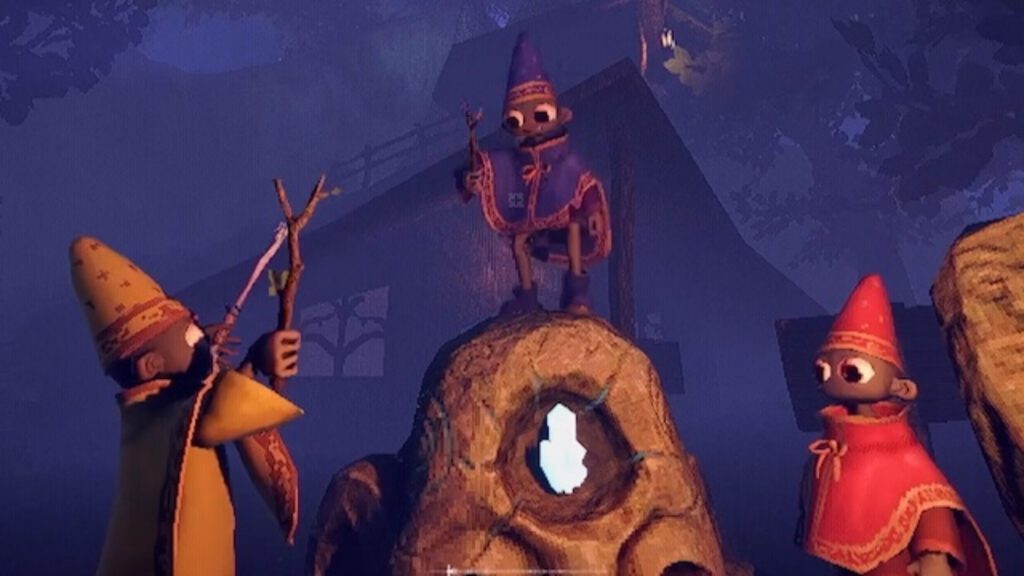
Open up your Instagram or TikTok app right now and start scrolling. If your feed is game-centric, chances are you will see a clip cut from a longer video, usually vibing and laughing at a game that is completely made for tomfoolery and simple mechanics. And I am willing to bet your house (not mine, because I rent it…) that the game featured in the video will be a friendslop game.
The structure of this subgenre is uniquely aligned with the consumption habits of the short video consumer era. Gameplay highlights produce 15 to 30-second bursts of social chaos—such as a friend being suddenly abducted by a monster mid-sentence—that are perfect for sharing on social media. These moments are easily understood by viewers who may know nothing about the game, making them highly clippable and shareable.
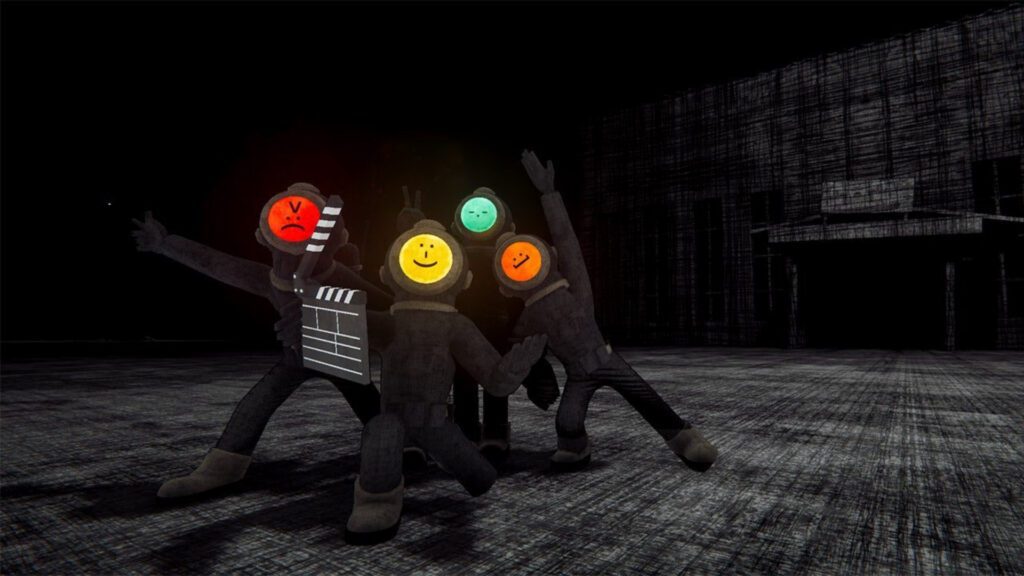
This “virality as marketing” approach allows indie developers to reach millions without a traditional advertising budget. Clips of Content Warning, which famously reached over 200,000 concurrent players, thrived because the game’s central mechanic—filming funny events—explicitly encouraged players to perform for their friends and the algorithm, while algorithm-driven platforms like Instagram Reels and YouTube Shorts push content that invokes strong, immediate emotions.
Friendslop titles are essentially “clip generators” that cater to this by ensuring that all relevant action happens in a split second. This synergy with modern digital culture ensures that a game can go from obscurity to millions of sales in a single week, as seen with Gamble With Your Friends.
5. The “Digestible Game” Philosophy
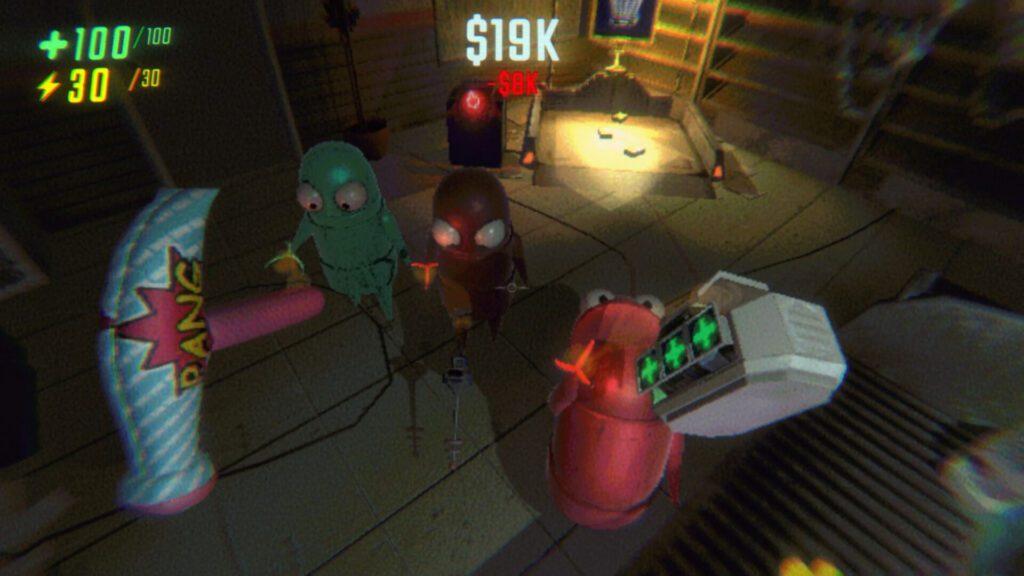
Being a bit old-school and actively avoiding multiplayer games unless this job forces me to (like a review build or something…), I admit that crossing the 100-hour mark on any Final Fantasy will always be my cup of tea.
Having said that, even I am forced to concede that the easy-to-digest nature of friendslop games offers a welcome reprieve. Developers like Tenstack and Aggro Crab have emphasized a design philosophy that focuses on one strong idea that does not overstay its welcome. These are games that a group of friends can feel satisfied with after a few chaotic evenings, rather than requiring a 40-hour commitment.
This approach respects the player’s time, making the genre more welcoming to casual gamers or those with busy schedules. Gamble With Your Friends was explicitly marketed as a “finished game” with no content roadmap or seasonal updates, a transparency that players found refreshing in a market saturated with games that, with DLC and microtransactions, do have a habit of going on forever. This lack of homework makes it easier for a group to dive in on a whim.
The session-based nature of these titles, such as the rotating maps in Peak, creates a bit of a “FOMO” (“fear of missing out”) impression—but in the opposite way, since it’s not really negative in this context: it makes friendslop games feel inclusive rather than exclusive.
6. Integration of Immersion-Breaking Humor
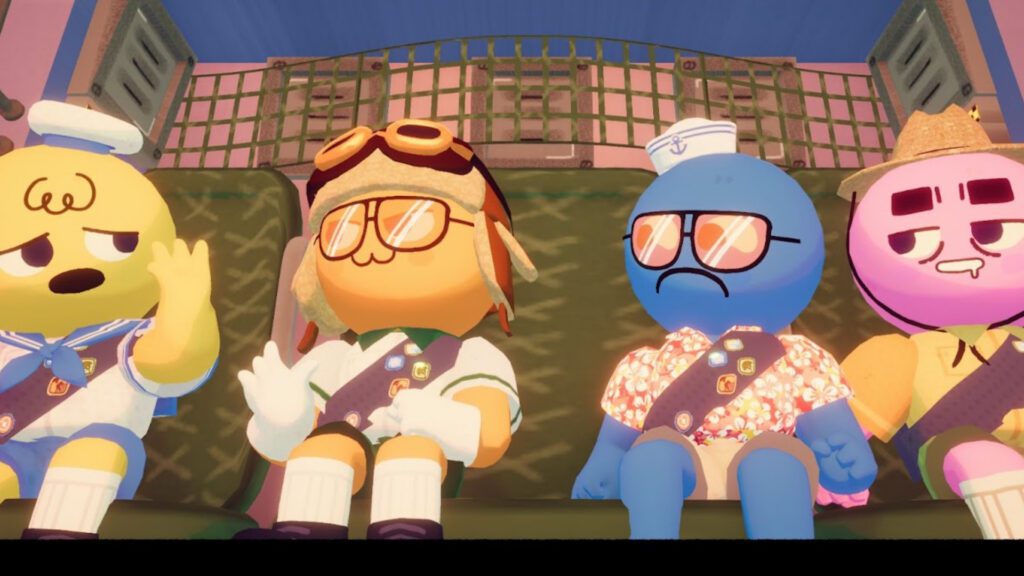
A hallmark feature of the genre is the deliberate use of low-fidelity elements to enhance comedy. Graphics are often low-poly or stylized, which not only makes the games accessible to players on older hardware but also adds a layer of “whimsy” to the experience—a much welcome far cry compared to the “gritty, dark” visuals of most AAA games.
Technical features like proximity voice chat are used to create emergent, unpredictable comedy rather than just immersion. Hearing a friend’s voice become garbled as they drown or fade into the distance as they are dragged away should create moments of desperation, but instead give off humor and bouts of laughs—one creator in particular comes to mind: Cavesta, a Netherlands-based Twitch partner who, for some reason, mixes left with right while giving directions and is usually James, her partner in most sessions, that suffers for it.
Goofy moments like this are the bread-and-butter for this unprompted, unscripted comedy. This focus allows these titles to bridge the gap between genres. While many friendslop games utilize horror elements, the objective is rarely to be genuinely terrifying; instead, the horror serves as a pressure cooker that causes players to make funny mistakes.
7. Radical Development Efficiency
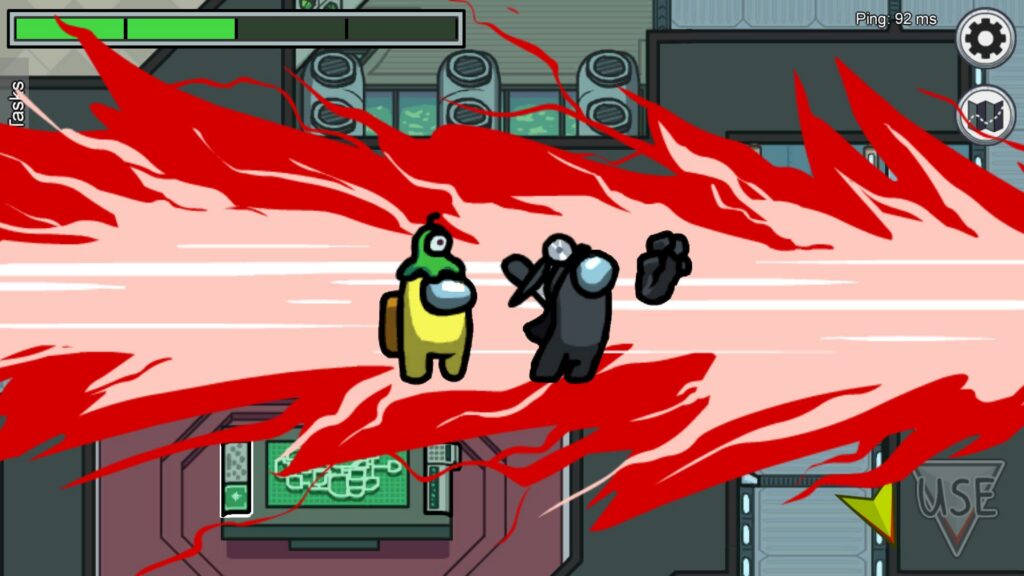
The low-risk, virally sociable development model of most friendslop games has a name—”Landfall Model”. It provides a low-risk, low-cost format of game development that has come to be the most reliable process for independent gamedevs out there.
This is because many of the most successful titles in this subgenre are born from short, highly focused game jams, where a small team (or even one person) might develop a shippable product in just one month. This rapid iteration allows developers to respond to trends in real-time and maintain a “super low-risk profile”.
It is important to note that, in this case, I am not talking about Gen-AI developed games. Although both pillars do overlap when you consider the time of product delivery, most successful friendslop games are developed by human hands that review and fix bugs and code errors without prompting anything on Claude for shortcuts.
Regardless, this is a streamlined process that focuses on a minimum viable product with a strong social hook rather than years of graphical asset creation. For example, the development of Peak involved studying other successful titles like R.E.P.O. to identify exactly what makes social interaction fun before stripping away unnecessary complexities. This efficiency allows developers to achieve a “break-even” point with far fewer sales than a traditional title.
And because these games are built by small, nimble teams, they often exhibit a level of creative weirdness and risk-taking that is absent in corporate-led projects. Granted, the example above may also pave the way in a negative manner—lean, thin games that serve as inspiration for even leaner, thinner games, until you have nothing but a barebones product and all that. However, at least so far, this has not been the case.
8. Low Barrier to Entry for All Skill Levels
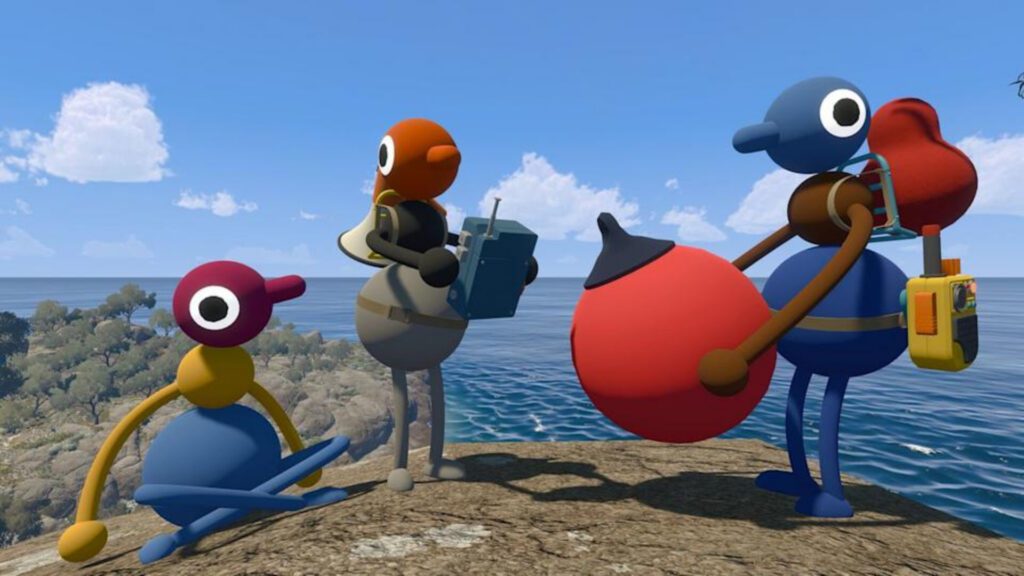
As previously stated, friendslop games are specifically designed to be easy to learn. The “git gud” crowd that boasts immense skills on any given Elden Ring or Hollow Knight Silksong are not the target audience here, as these games often feature simple objectives that even a non-gamer could understand within 30 seconds.
In Gamble With Your Friends, the premise is simply to gamble away debt; in Among Us, it is to find the impostor. This simplicity ensures that a diverse group of friends can play together regardless of their individual gaming history: no multi-branched objective, no overarching plot, just a simple approach of “this is the world, this is you, this is what you need to do, so go do it”.
The mechanics typically favor social skill over technical mastery, and in many of these games, success depends more on effective communication and group coordination (or devilish, cunning/cutthroat strategies) than on fast reflexes or complex button combos. This shift in focus makes the games highly inclusive, allowing you to include friends who might usually shy away from more hardcore genres.
Even the failure points in these games are designed to be accessible. In Peak, the developers deliberately added items with built-in failure points so that messing things up become a funny endeavor—and in some cases, sought for. By making the mistakes low-stakes and hilarious, the genre removes the usual toxicity often found in competitive multiplayer games where a single player’s mistake can ruin the experience for others.
9. Cooperative Synergy Allow for Change in Gameplay
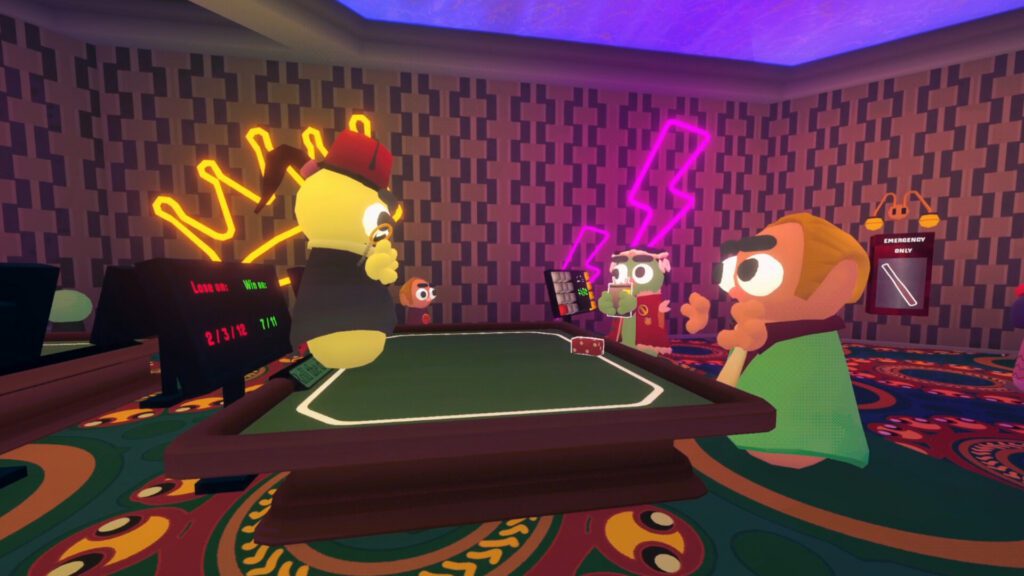
A significant reason for the genre’s rise is a broad “player mandate” for social bonding over adversarial winning. While traditional multiplayer often incentivizes betrayal or individual dominance, friendslop mechanics are built to “necessitate collaboration”. Features like the shared bank account in Gamble With Your Friends mean that every player is literally and figuratively invested in the success of the group.
This focus on cooperation has become so powerful that it is beginning to influence AAA development. In games like ARC Raiders, developers have noted that players frequently use proximity chat to negotiate truces and assist strangers, even when the game’s reward structure incentivizes killing them. This creates a paradox that highlights a fundamental desire for shared accomplishment over pure competition.
In short, it’s not because a game was developed to progress a certain way, that this is a closed-box environment: you absolutely can deviate from the usual, expected process if you want to.
10. Cultural Authenticity and the “Vibe”
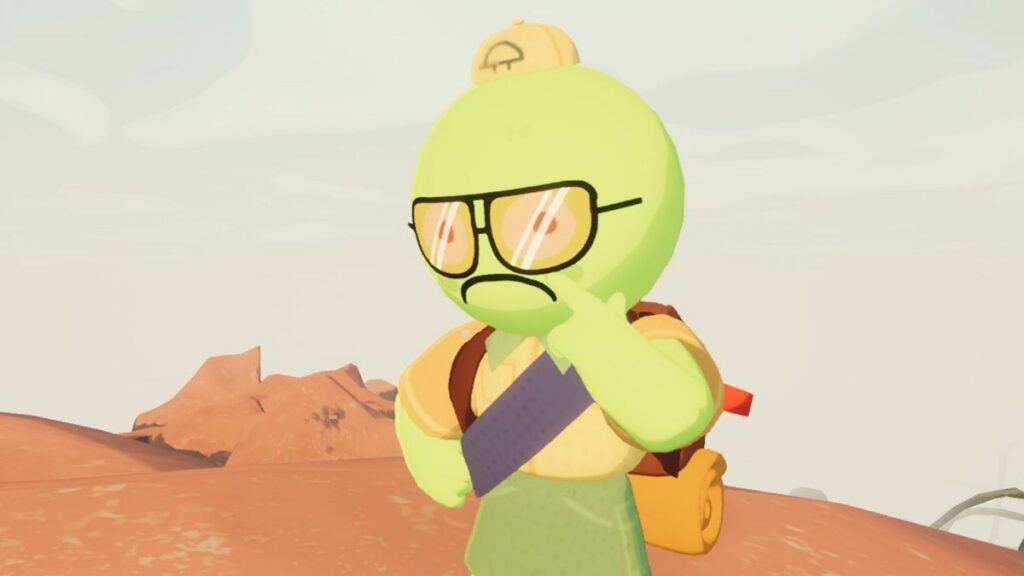
Finally, friendslop is appealing because it feels honest in a way that many AAA live-service games do not. The games are often marketed as “tasty friendslop” or “weirdo social games,” embracing their own silliness rather than attempting to be masterpieces that will run for GOTY awards. This lack of pretension makes them more relatable to an audience that is increasingly skeptical of corporate AI slop or soulless money-grabs.
Developers who proudly wear the friendslop badge signal to their community that they prioritize fun and passion over predatory monetization. This authenticity builds a level of trust between the studio and the fans, which is vital for long-term survival in the indie space. Players are more willing to support the indie game with the small budget when they feel the developers are being transparent about the game’s scope and purpose.
The genre represents a shift in gaming from a “product” to a “service for friendship”. By focusing on the experience of hanging out, friendslop titles provide a digital bond that feels handcrafted and genuine. As one developer noted, the goal is to create a “special thing every time you play,” a feat achieved through social unpredictability rather than technical perfection.
Final Thoughts

Friendslop games are, hopefully, here to stay. I say this while avoiding most types of online play, but also as a gamer who sees the value in this uncompromised, borderline stupid form of quick fun.
I am all for changing standards, as long as the game development scene has something for everyone. “Inclusiveness” is something I am pretty big about, and I learned that from videogames…and while the AAA industry has shown to be anything but that, having the friendslop subgenre around certainly makes me think this market still remembers what it was originally created for…to some extent.